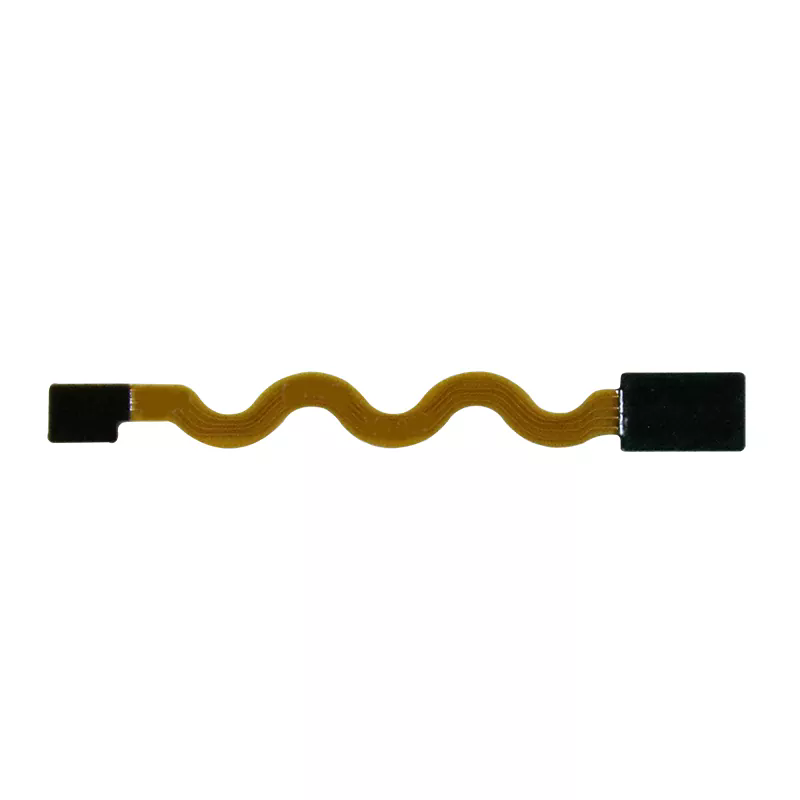
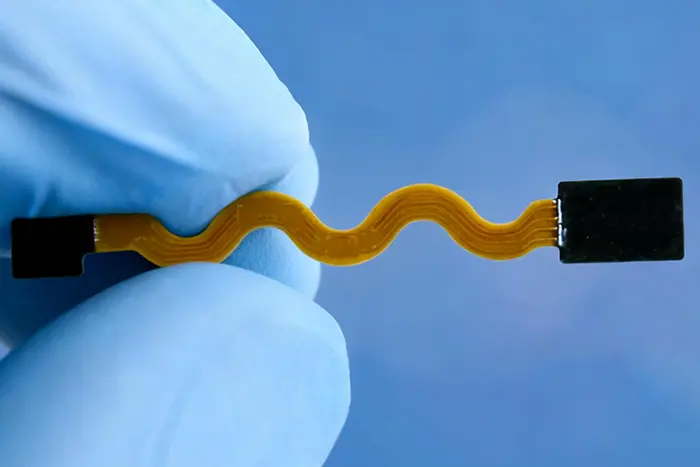
Toothbrush pressure sensors are innovative devices designed to improve oral hygiene by preventing excessive brushing force that can damage teeth and gums. This article explains how these sensors work, their key benefits, and practical considerations for choosing and using them. With structured insights, tables, this guide helps consumers and dental professionals make informed decisions about integrating pressure sensors into daily oral care routines.
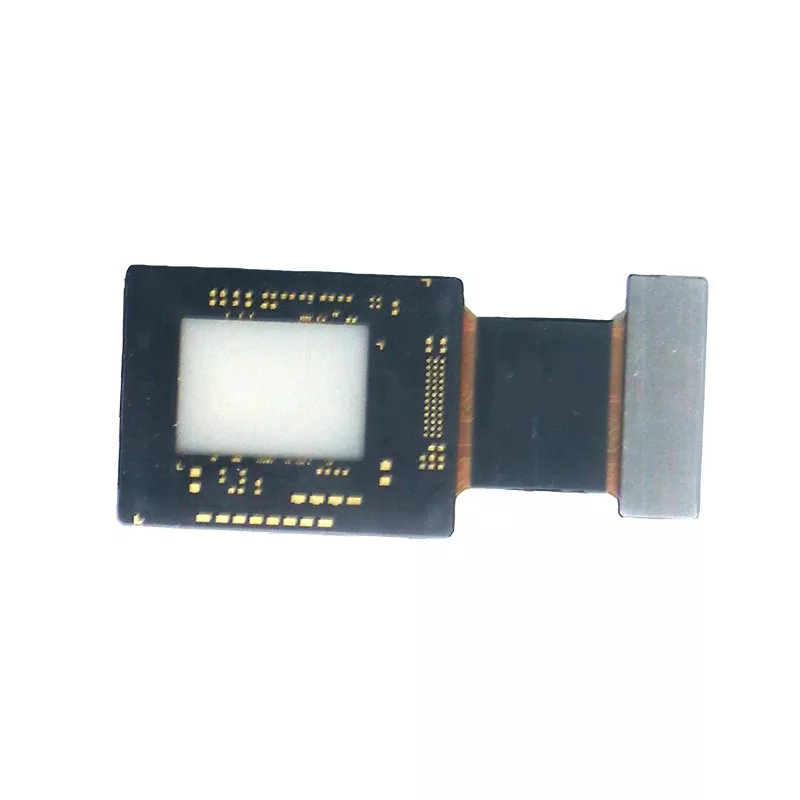
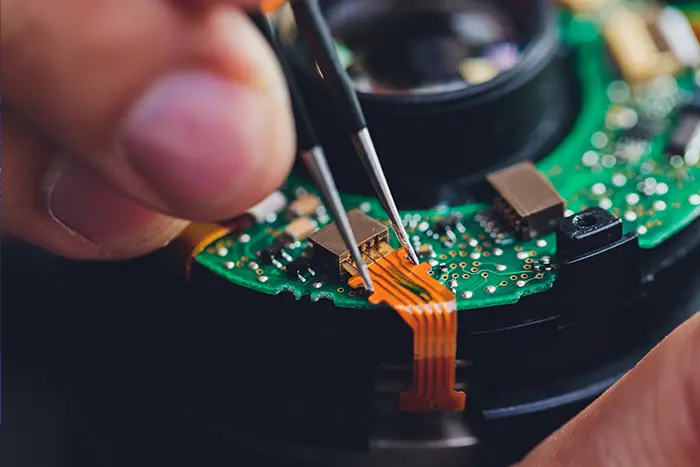
Tablet rigid-flex PCBs combine the benefits of rigid and flexible circuits to meet the growing demand for compact, high-performance electronic devices. This article explains the design, advantages, applications, and selection criteria of tablet rigid-flex PCBs. It provides practical insights to help engineers, designers, and manufacturers optimize performance, ensure reliability, and reduce production challenges. A detailed breakdown of technical parameters, usage tips, and frequently asked questions is included.
In the field of electronic devices dominated by liquid crystal display (LCD) technology, there is a "behind-the-scenes hero" that consistently supports the presentation of visual experience—the backlight display module (BLU).
We use cookies to offer you a better browsing experience, analyze site traffic and personalize content. By using this site, you agree to our use of cookies. Privacy Policy