News

How Does a Tablet Rigid-flex PCB Enhance Performance and Reliability?

2026-03-23 0 Leave me a message

Article Summary

Tablet rigid-flex PCBs combine the benefits of rigid and flexible circuits to meet the growing demand for compact, high-performance electronic devices. This article explains the design, advantages, applications, and selection criteria of tablet rigid-flex PCBs. It provides practical insights to help engineers, designers, and manufacturers optimize performance, ensure reliability, and reduce production challenges. A detailed breakdown of technical parameters, usage tips, and frequently asked questions is included.

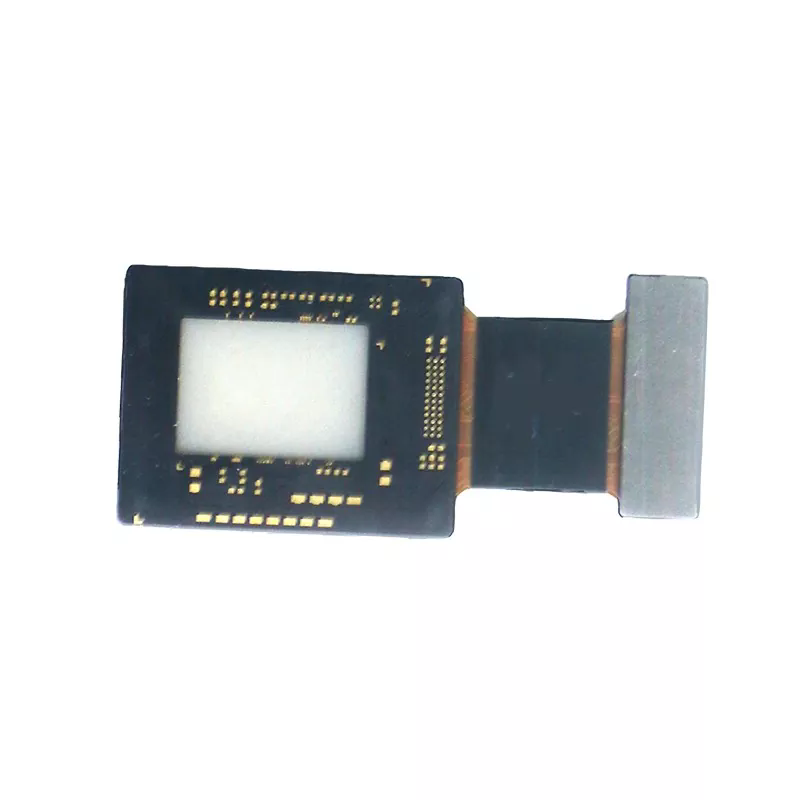
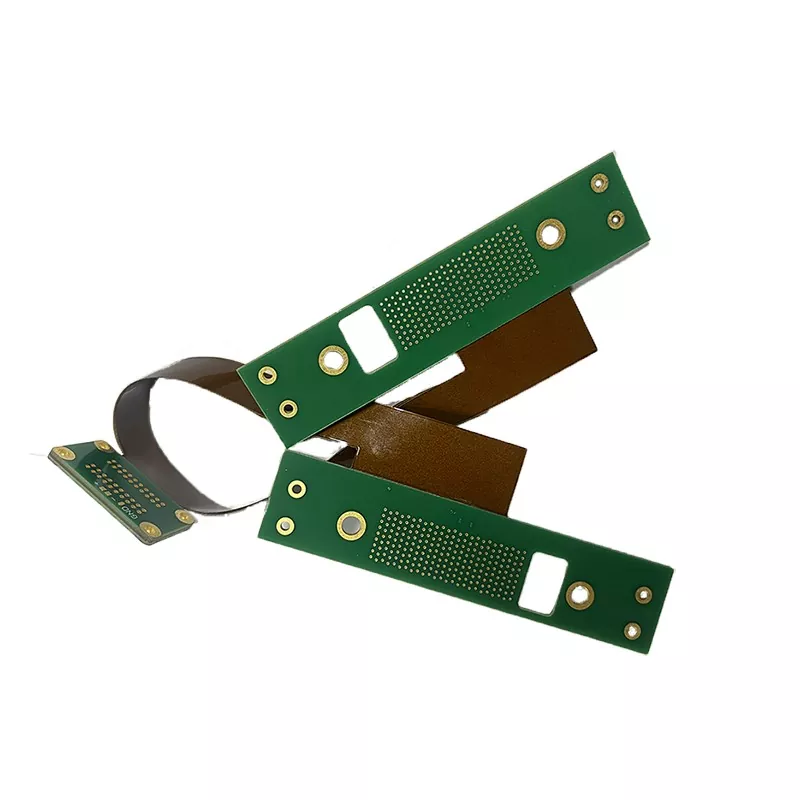
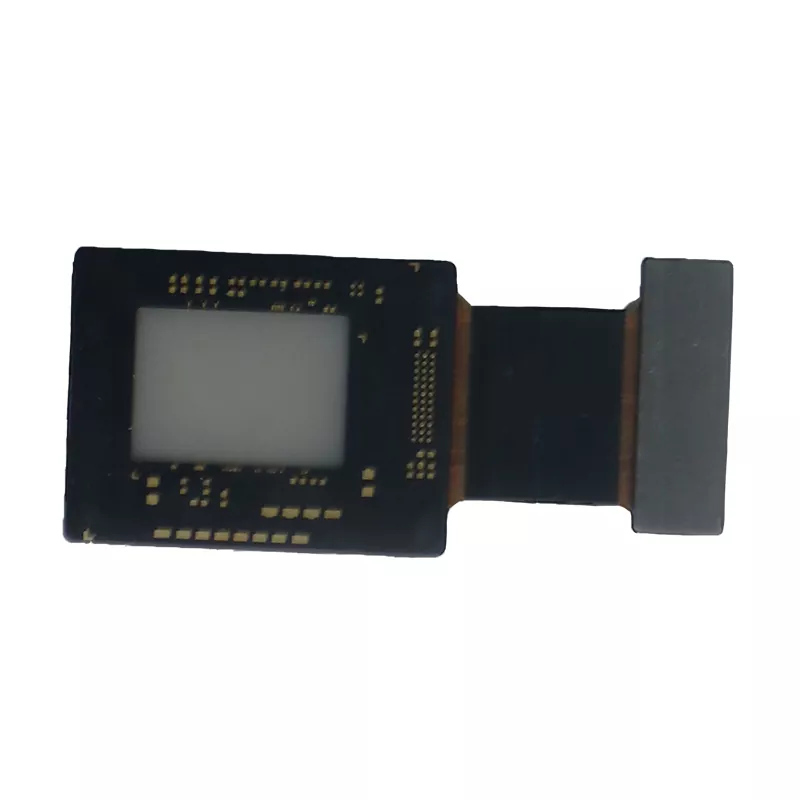
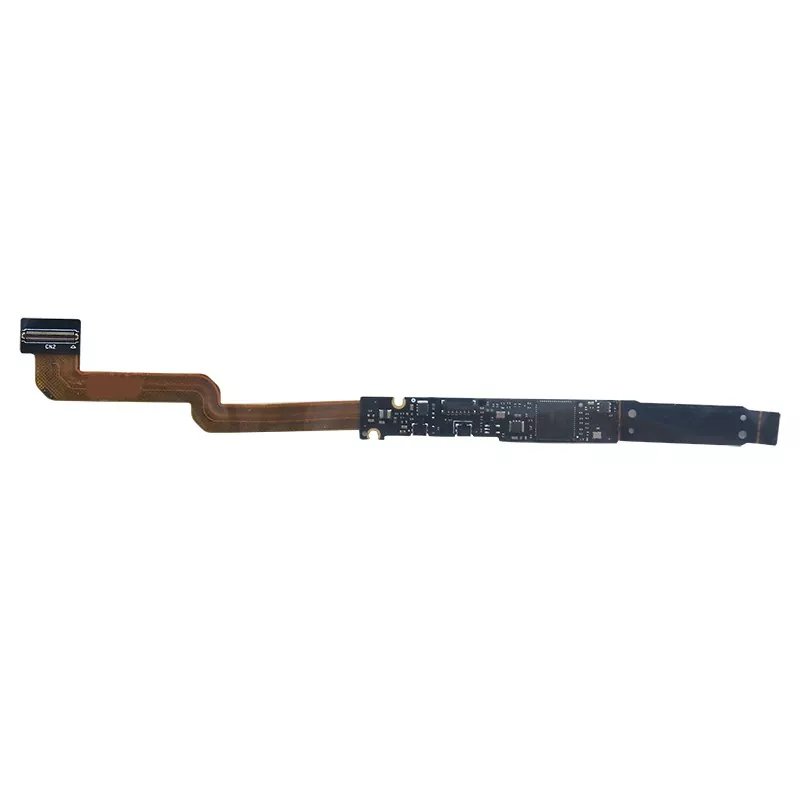
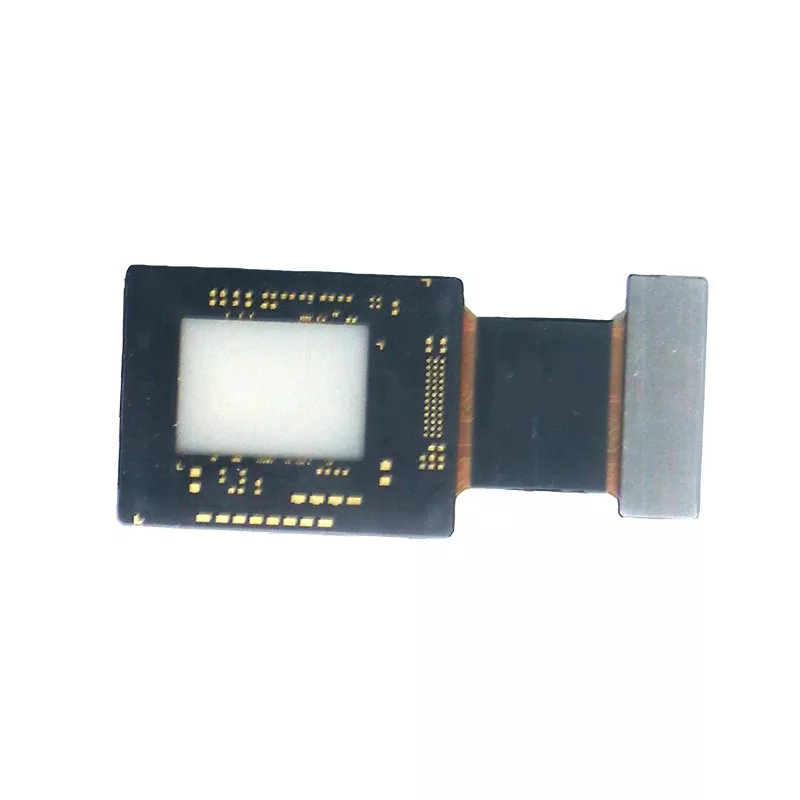
Tablet Camera Rigid-Flex PCB

Table of Contents


1. What Is a Tablet Rigid-flex PCB?

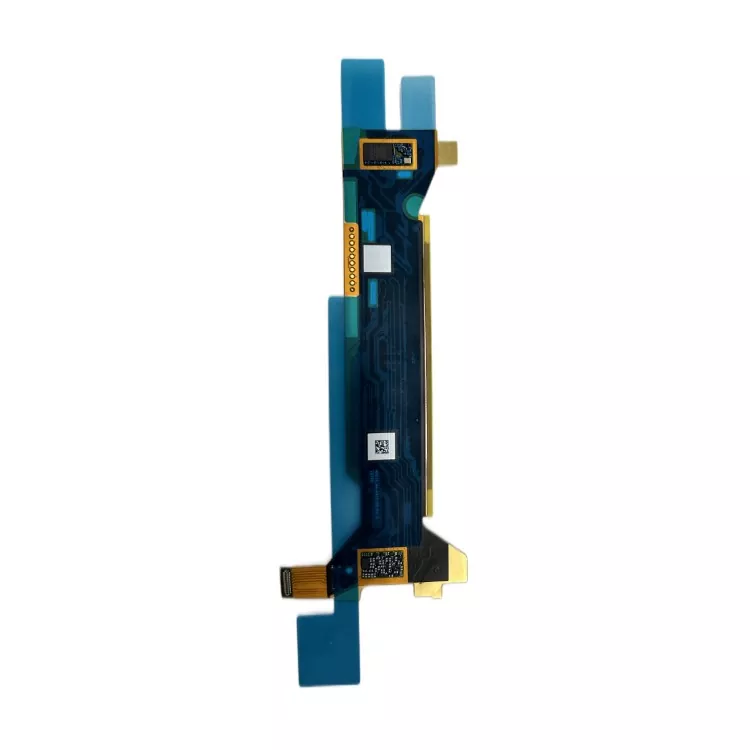
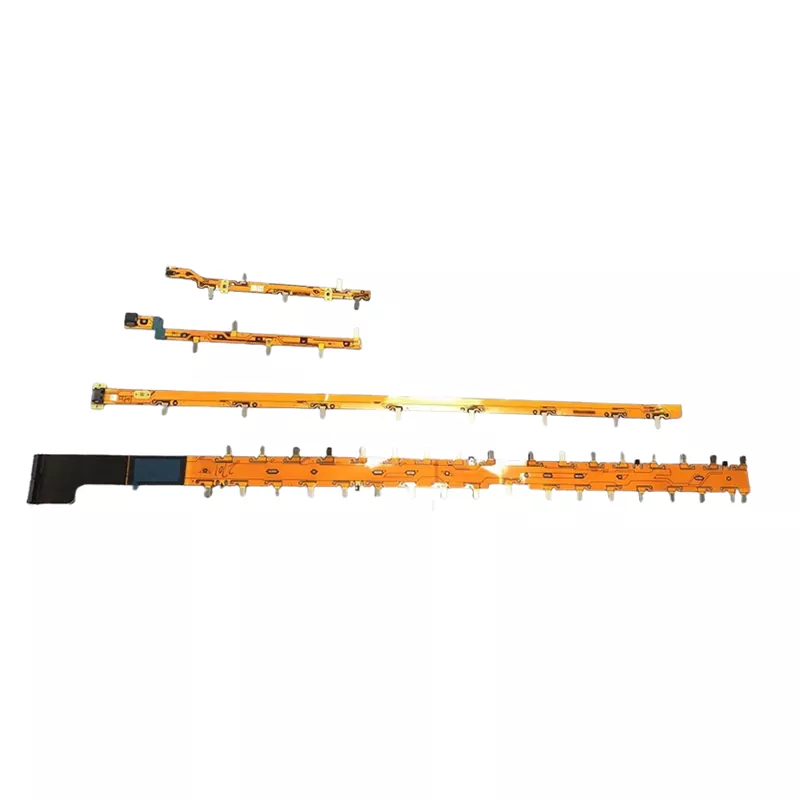
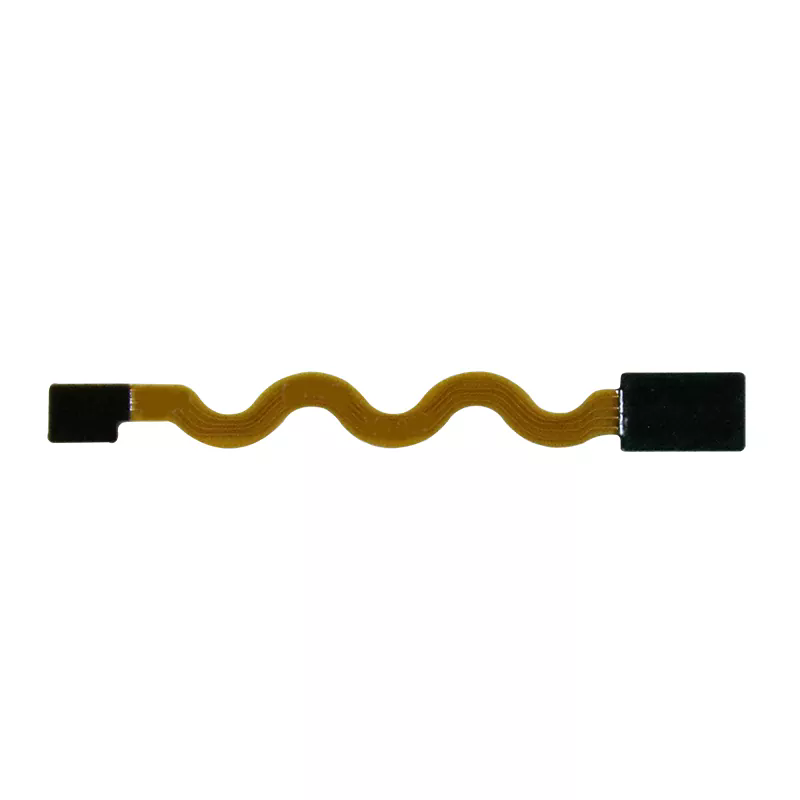
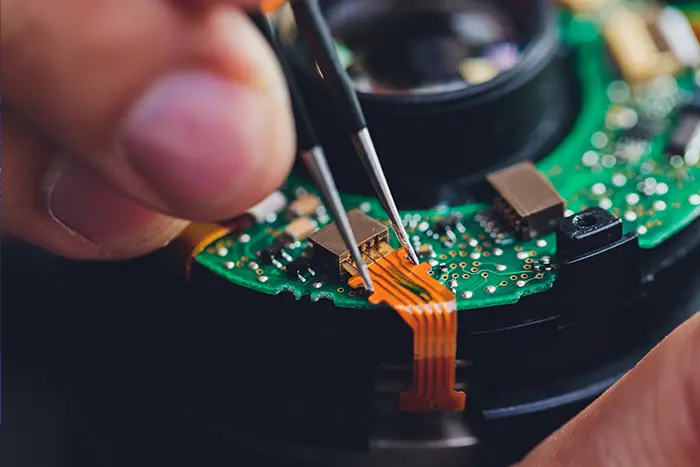
A tablet rigid-flex PCB is a hybrid printed circuit board that combines rigid boards with flexible circuits in a single unit. This design allows for high-density connections while maintaining mechanical flexibility where needed. The rigid sections provide structural support and mounting surfaces, whereas the flexible sections enable complex folding and dynamic movement.

The integration of rigid and flexible areas makes it particularly suitable for compact devices such as tablets, smartphones, medical instruments, and wearables, where space optimization and durability are critical.


2. How Does a Tablet Rigid-flex PCB Work?

Rigid-flex PCBs function by connecting rigid circuit sections through flexible interconnections. Copper traces on both rigid and flexible substrates carry signals and power, while adhesive and polyimide layers provide insulation and mechanical protection. Key functional principles include:

  • Signal integrity maintained by controlled impedance traces
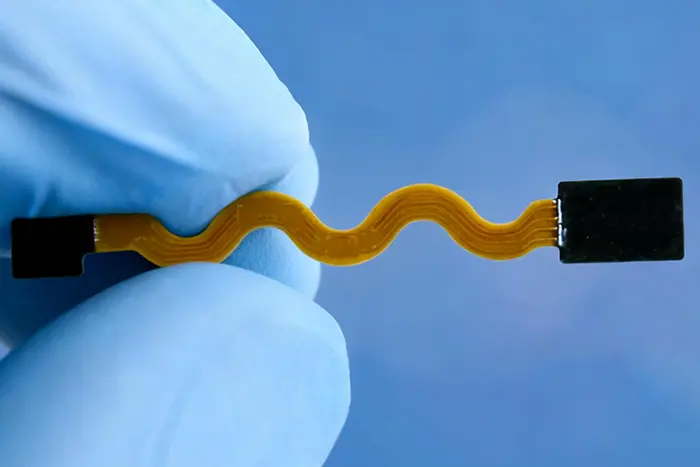
  • Flexible areas allow bending without disrupting circuit continuity
  • Stacked rigid and flexible layers ensure compact design
  • Thermal management through material selection and layout

Advanced designs may incorporate multilayer constructions and embedded components, further enhancing performance for tablet applications.


3. Why Are Tablet Rigid-flex PCBs Important?

Tablet rigid-flex PCBs are critical for meeting the technical and operational demands of modern electronics. The main benefits include:

  • Space Optimization: Reduce device size while maintaining connectivity
  • Enhanced Reliability: Minimize solder joint failures in dynamic areas
  • Lightweight Design: Ideal for portable electronics
  • High-Density Integration: Support complex circuitry in a compact layout
  • Durability: Withstand repeated flexing and mechanical stress

For tablet manufacturers, these features directly translate into improved device performance, extended product life, and enhanced user experience.


4. Key Features and Technical Parameters

Parameter Description
Board Material FR4 for rigid sections, polyimide for flexible sections
Layer Count 2–8 layers typical for tablets
Trace Width / Spacing Minimum 0.075 mm for fine-pitch designs
Bending Radius Depends on polyimide flexibility, typically ≥5 mm
Thermal Resistance Designed for device heat dissipation
Surface Finish ENIG, HASL, or OSP for reliable soldering
Electrical Performance High signal integrity for data and power lines

Honflex provides tablet rigid-flex PCBs engineered for precise specifications, high durability, and seamless integration in demanding tablet designs.


5. Applications in Modern Devices

Tablet rigid-flex PCBs are used across multiple high-tech applications, including:

  • Tablets and smartphones
  • Wearable electronics
  • Medical diagnostic equipment
  • Portable industrial devices
  • Consumer electronics with folding or compact designs

Their ability to combine flexibility and rigidity allows designers to create thinner, lighter, and more reliable devices.


6. How to Choose the Right Tablet Rigid-flex PCB

Selecting the appropriate rigid-flex PCB involves evaluating several criteria:

  • Device Size and Layout: Ensure the PCB fits the available space
  • Layer Requirements: Determine signal density and routing needs
  • Flexibility: Identify which areas require bending
  • Thermal Management: Consider heat dissipation requirements
  • Material Quality: Use high-grade polyimide and copper for durability
  • Supplier Reliability: Choose experienced manufacturers like Honflex

7. Design and Assembly Considerations

When designing and assembling tablet rigid-flex PCBs, the following considerations improve reliability and manufacturability:

  • Minimize bending at solder joints
  • Use stiffeners in areas requiring support
  • Plan routing to avoid sharp curves in flex sections
  • Test electrical performance under repeated flex cycles
  • Ensure proper lamination and layer adhesion

Attention to these details ensures long-term durability and optimal performance for tablet devices.


8. Frequently Asked Questions

Q1: What is the main advantage of rigid-flex PCBs over traditional rigid boards?

Rigid-flex PCBs combine flexibility and structural support, enabling complex device layouts and reducing assembly errors.

Q2: Can rigid-flex PCBs handle repeated bending?

Yes, if designed properly with appropriate bending radius and high-quality polyimide, they can withstand repeated flexing without failure.

Q3: Are rigid-flex PCBs more expensive than standard PCBs?

Typically, yes, due to complex manufacturing processes, but the reduction in assembly steps and increased reliability often justifies the cost.

Q4: What industries benefit most from tablet rigid-flex PCBs?

Consumer electronics, medical devices, wearable technology, and portable industrial equipment benefit significantly from their compact, reliable design.


9. Conclusion

Tablet rigid-flex PCBs are a critical component for modern electronic devices, offering unmatched flexibility, compact design, and high reliability. Manufacturers looking to optimize tablet performance and ensure long-term durability benefit greatly from adopting rigid-flex technology.

Honflex delivers premium tablet rigid-flex PCB solutions with precise engineering, high-quality materials, and robust support. Enhance your device performance and streamline production by leveraging our expertise.

For professional consultation and tailored PCB solutions, contact us today to explore high-quality products that fit your project needs.

Related News
Leave me a message
X
We use cookies to offer you a better browsing experience, analyze site traffic and personalize content. By using this site, you agree to our use of cookies. Privacy Policy
RejectAccept