Whatsapp
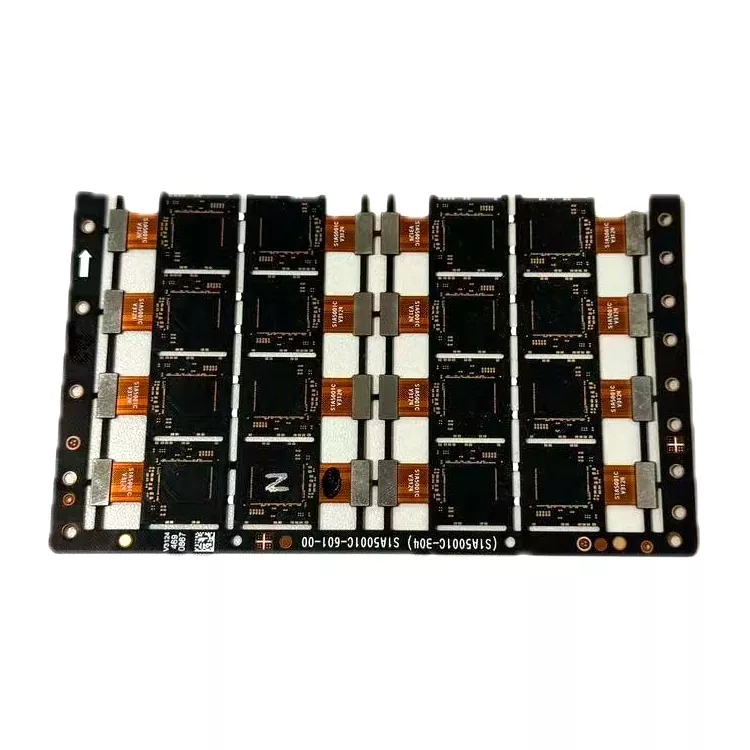
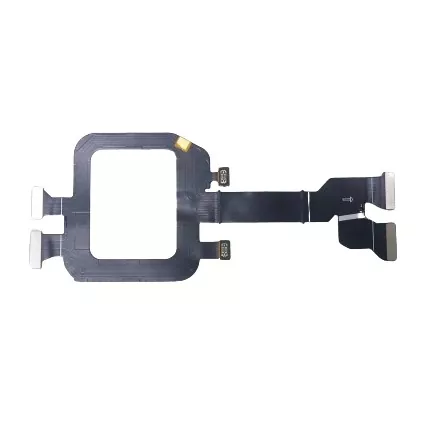
In the field of electronic devices dominated by liquid crystal display (LCD) technology, there is a "behind-the-scenes hero" that consistently supports the presentation of visual experience—the backlight display module (BLU). As a core component of LCD panels, it bears the crucial mission of transforming point and line light sources into uniform surface light sources. Without it, the light modulation capability of liquid crystal molecules cannot be utilized, and the screen would be completely black. From the high-definition screens of smartphones to the anti-glare screens of automotive displays, from the precise display of medical equipment to the high-brightness performance of gaming screens, backlight display modules have invisibly permeated every corner of life and industry, and their technological iterations have always resonated with the upgrades of the display industry.
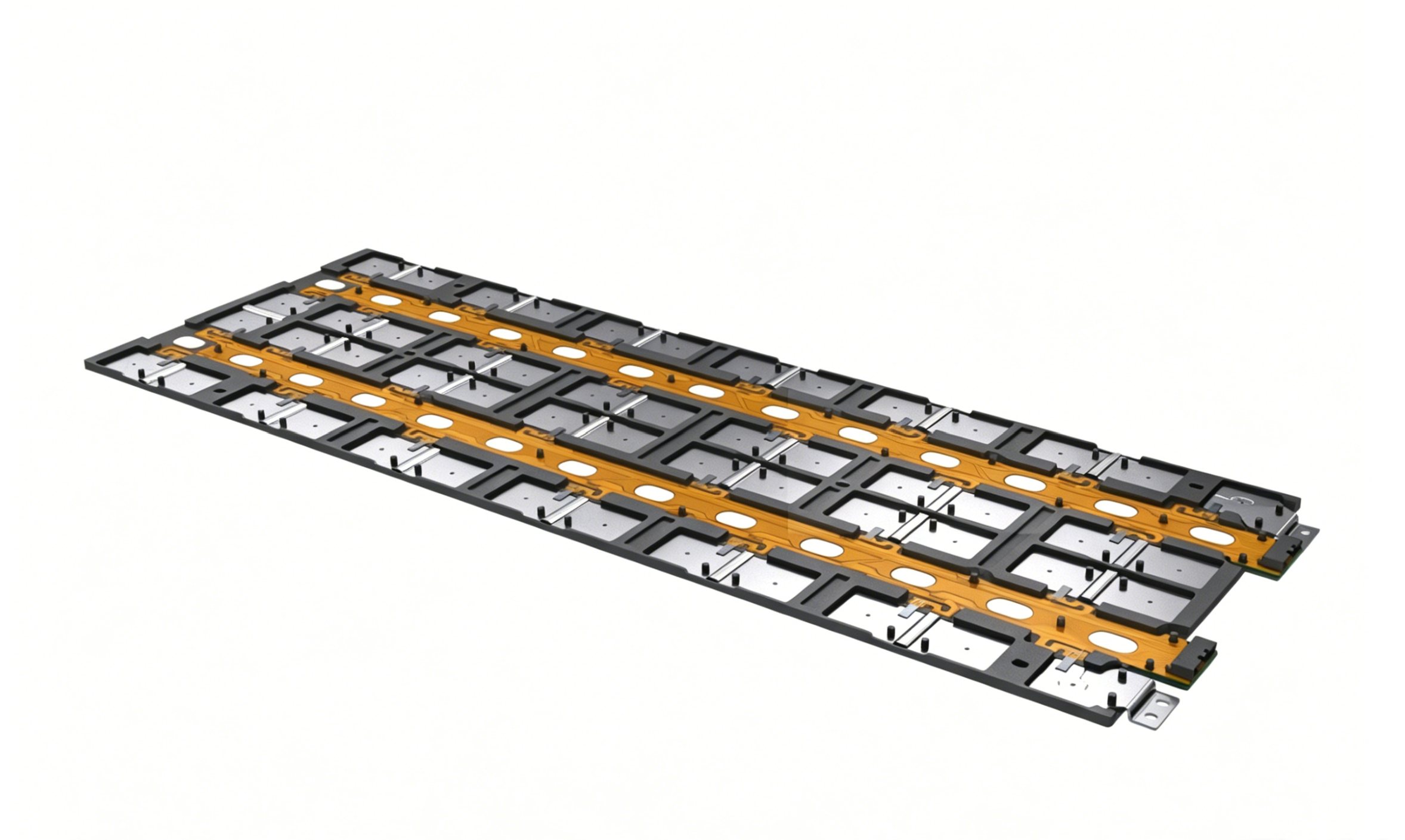
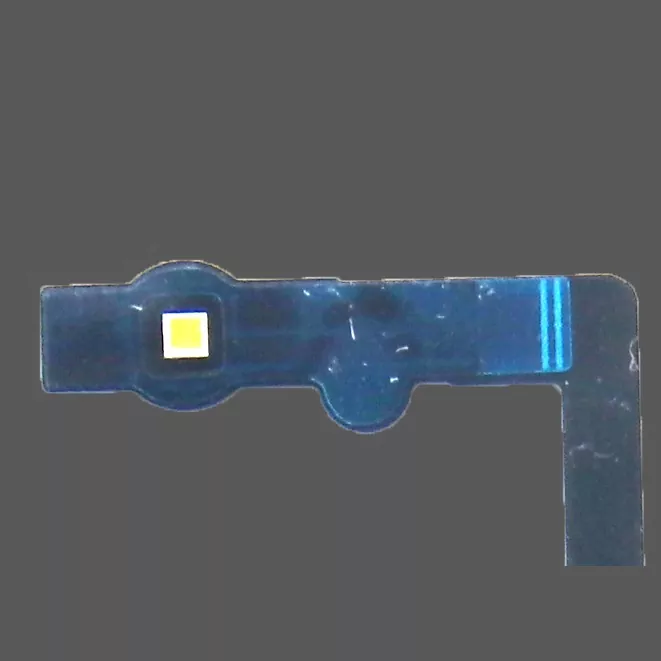
The core value of the backlight display module lies in achieving "efficient conversion and control of light" through precise structural design. Its overall structure is like a sophisticated "optical system," with each component working together to achieve optimal display effects. The light source, as the energy source, has undergone iterations from traditional CCFLs (cold cathode fluorescent lamps) to LEDs. Today, LEDs have become the absolute mainstream—not only do they have a lifespan of tens of thousands of hours, but they also possess advantages such as low power consumption, high brightness, and fast response, and can achieve flexible light-emitting designs through the arrangement of LED strips. The light guide plate acts as the "light and shadow sculptor," typically made of high-transmittance PMMA material. Through a design of varying density dots or microstructures on its bottom surface, it transforms the point light source of the side-lit LEDs into uniform surface light covering the entire screen. Its design precision directly determines the uniformity of screen brightness, making it one of the core bottlenecks in the module's optical performance.
The optical film assembly and reflective sheet constitute the "last mile" of light efficiency optimization. The diffuser disperses light, eliminating bright spots and dark areas caused by direct light, resulting in a softer image texture. The prism sheet (brightness enhancement film) uses a special prism structure to converge scattered light towards the front viewing angle, significantly improving screen brightness from the front while optimizing side viewing. The bottom reflective sheet reflects downward-escaping light back to the light guide plate, minimizing light loss and improving overall light utilization. This combined approach effectively regulates the previously dispersed light, ultimately providing a stable, uniform, and efficient illumination foundation for the LCD panel. Based on the arrangement of the light sources, backlight modules can be divided into two categories: edge-lit and direct-lit. Edge-lit modules, with their advantages of being thin and light with narrow bezels, have become the preferred choice for portable devices such as mobile phones, tablets, and laptops. Direct-lit modules, with their high brightness, wide viewing angles, and strong local dimming capabilities, are widely used in large-screen devices such as televisions and gaming monitors.
Driven by both policy support and end-user demand, the backlight display module industry is experiencing continuous expansion and technological upgrades. The inclusion of the LCD industry in the strategic emerging industries category by the government has created a favorable development environment for the backlight module industry. Furthermore, the trend of the global LCD supply chain shifting to mainland China has provided domestic companies with vast market opportunities. The diversification of end-user application scenarios has further stimulated demand: the steady recovery of the tablet computer market, the intelligent upgrade of automotive displays, the demand for high-stability displays in medical and industrial control equipment, and the rise of emerging fields such as gaming and smart homes all provide ample growth momentum for backlight modules. Especially in the automotive sector, with the popularization of new energy vehicles, the size and number of in-vehicle screens have increased, placing higher demands on the temperature resistance, shock resistance, and low power consumption of backlight modules, becoming a new growth point for the industry.
Technological innovation has always been the core driving force for the development of backlight display modules. Currently, the industry is making breakthroughs in four major directions: thinner and lighter, higher image quality, lower power consumption, and more flexible shapes. To meet the demand for "thin and portable" consumer electronics, edge-lit modules are continuously reducing bezel width, and the thickness of light guide plates and films is constantly decreasing. The thickness of backlight modules in some high-end models has approached the millimeter level. High image quality upgrades focus on brightness and color performance, with the penetration of Mini-LED technology becoming key—achieving precise local dimming through thousands of micro-LED beads, significantly improving image contrast and dynamic range, making LCD display effects infinitely close to OLED, and is now widely used in high-end TVs, gaming monitors, and tablets. Energy saving is achieved by optimizing LED driving schemes and using high-efficiency optical materials, increasing brightness while reducing power consumption and extending the battery life of portable devices. The irregularly shaped design is tailor-made for full-screen devices, using special cutting and light and shadow control to adapt to the layout of components such as cameras and earpieces, achieving a higher screen-to-body ratio.
Although OLED technology competes with LCD in the smartphone field due to its self-emissive characteristics, the backlight display module industry has not shrunk. In large-size displays and professional equipment, LCD still dominates due to its advantages of long lifespan, high stability, and controllable cost. Furthermore, the empowerment of new technologies such as Mini-LED allows LCD's visual experience to continue to break through its limits. In the future, backlight display modules will continue to cultivate niche scenarios in a market where multiple technologies coexist—pursuing ultimate thinness and image quality in consumer electronics, strengthening stability and reliability in industrial and medical fields, and exploring weather resistance and intelligent integration in the automotive field. Meanwhile, with the combination of quantum dot technology and backlight modules, color gamut performance will be further improved, and the application of environmentally friendly materials and the optimization of production processes will also drive the industry towards a green and low-carbon direction.
From the small tungsten filament backlights used in aircraft instruments during World War II to the precision modules powering billions of electronic devices today, the development of backlight display modules is a microcosm of humanity's continuous exploration of light and shadow control technology. As the "light and shadow engine" of LCD displays, though hidden behind the screen, it directly determines the core quality of the visual experience. In today's rapidly evolving display technology landscape, backlight display modules are continuously innovating and opening up new development opportunities in diverse application scenarios, continuing to provide solid support for the upgrading of the global electronics industry.