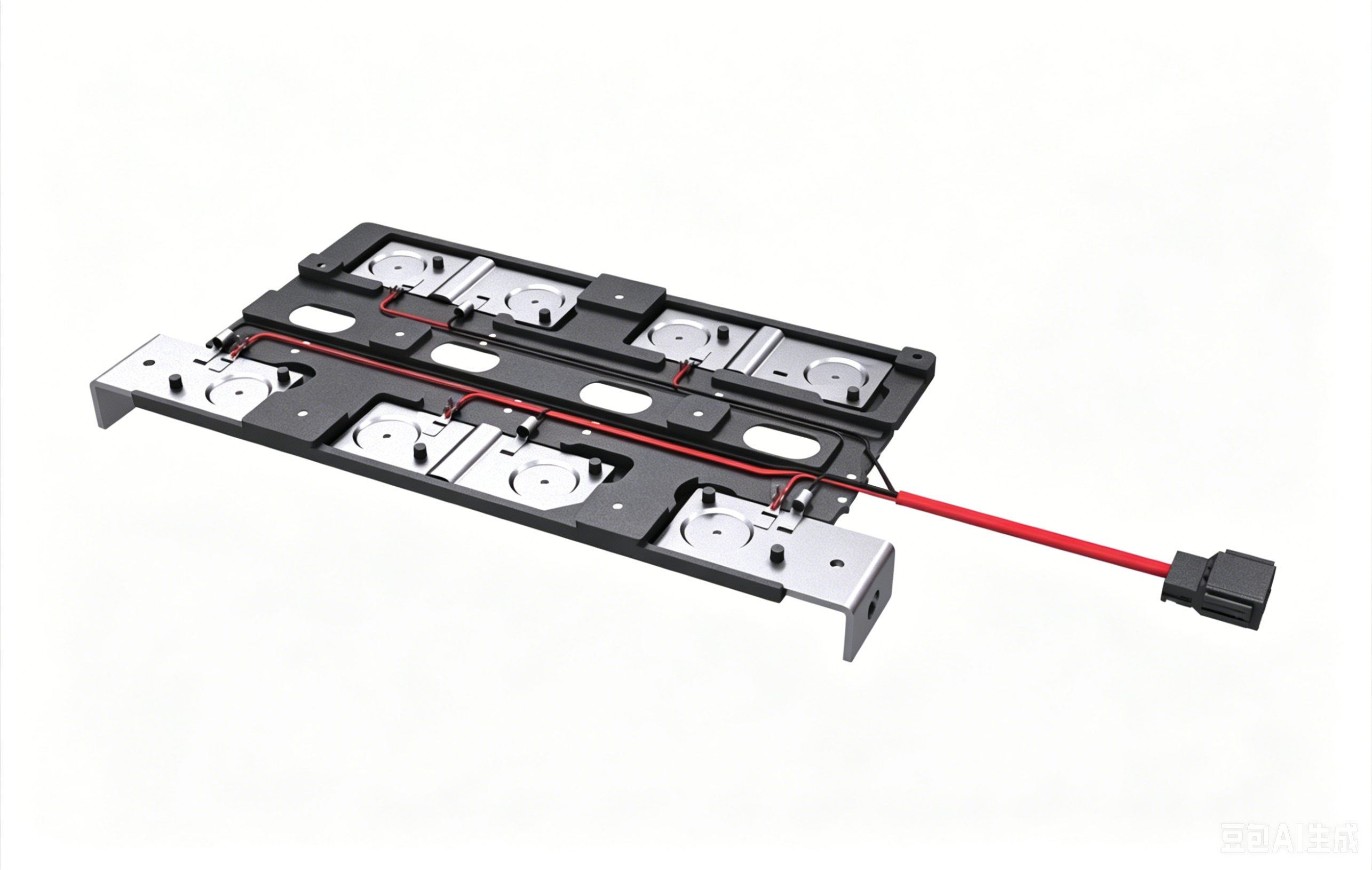
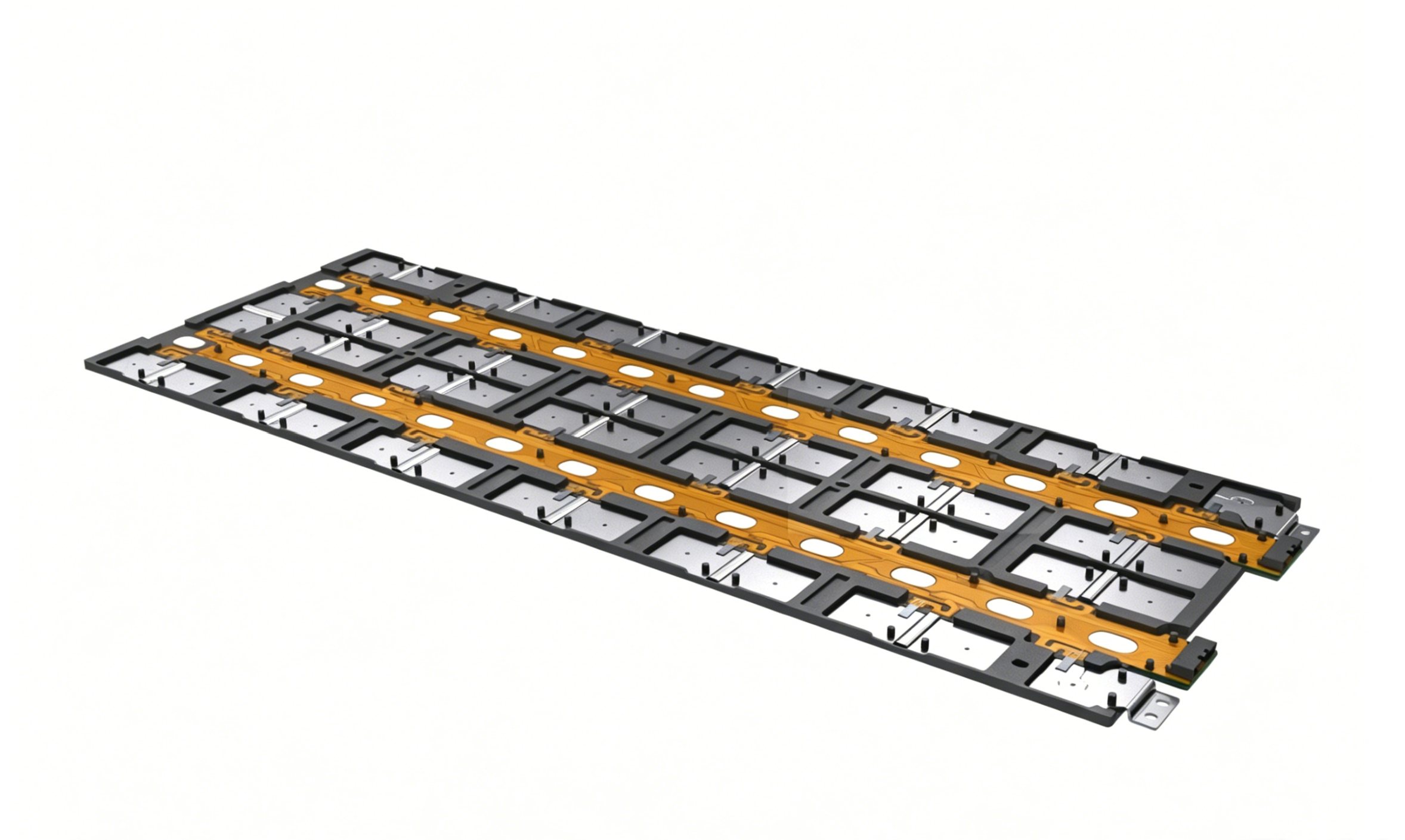
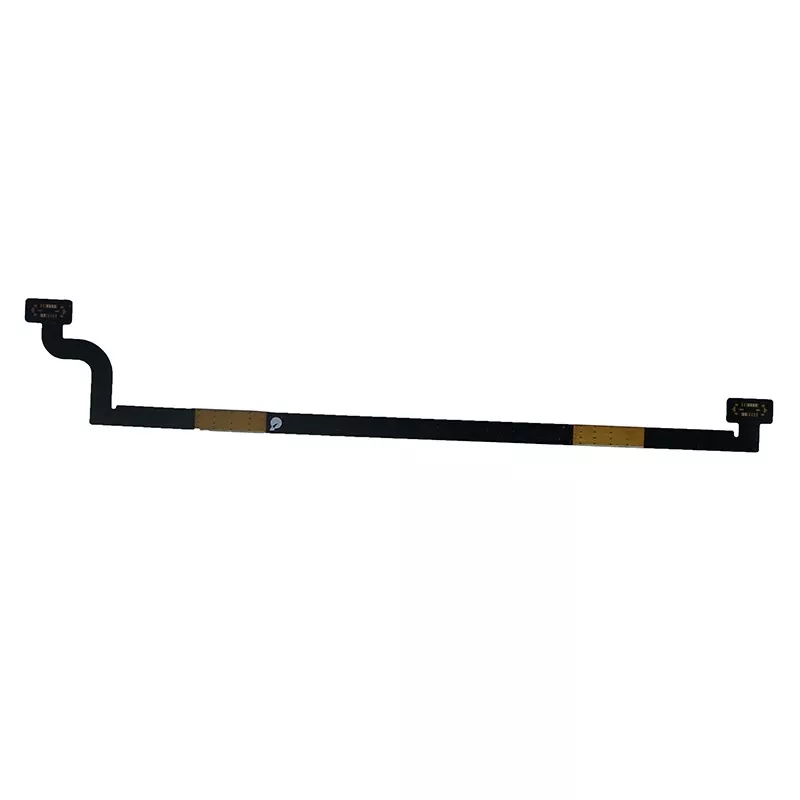
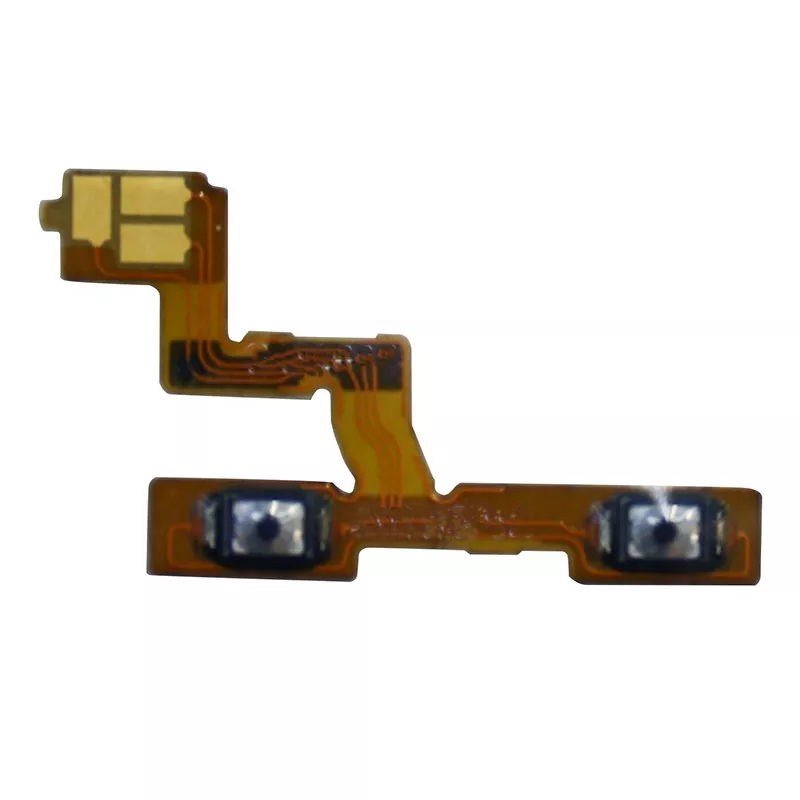
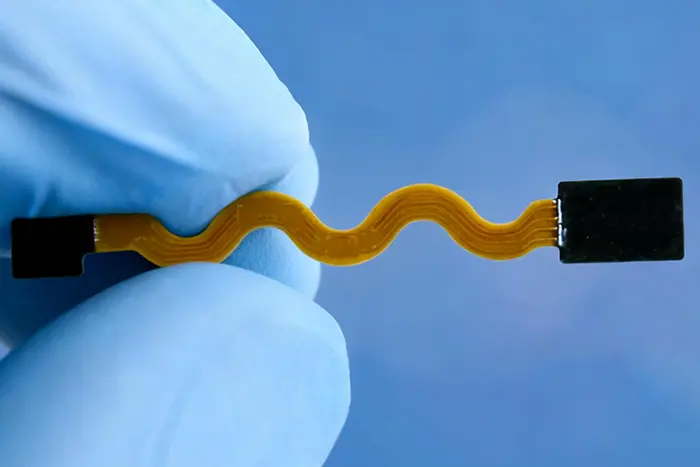
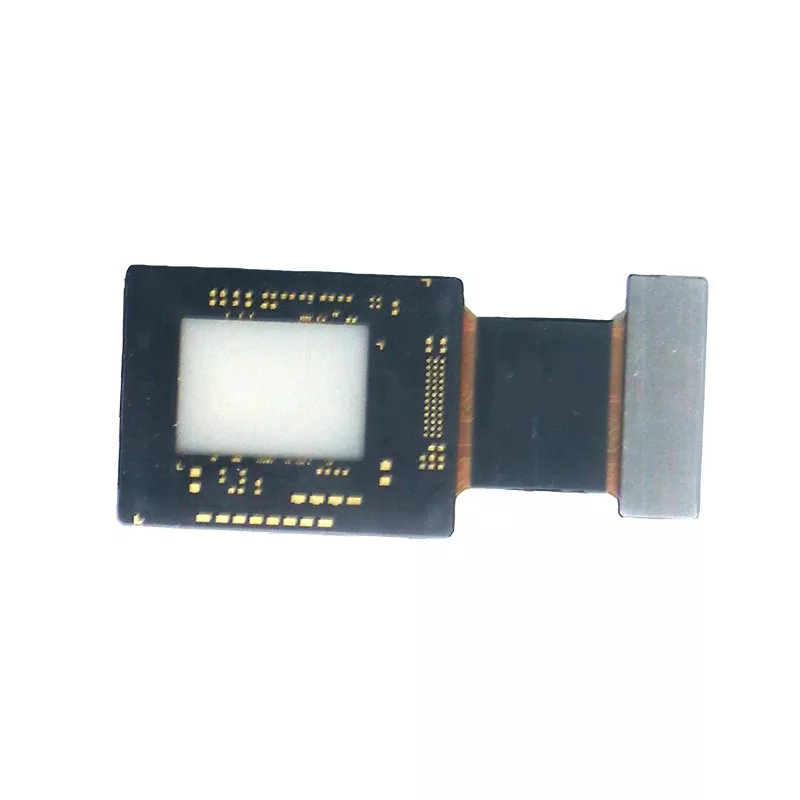
As a professional manufacturer and supplier of medical FPC, Honflex offers flexible circuit boards that fully meet the most stringent standards of the medical industry. They have obtained certifications for the ISO 13485 medical device quality management system and ISO 10993. With outstanding high fatigue resistance, high insulation impedance, and extremely low failure rate, these circuit boards can ensure the long-term and reliable operation of medical equipment throughout its entire lifecycle.
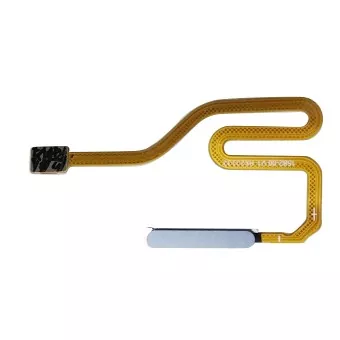
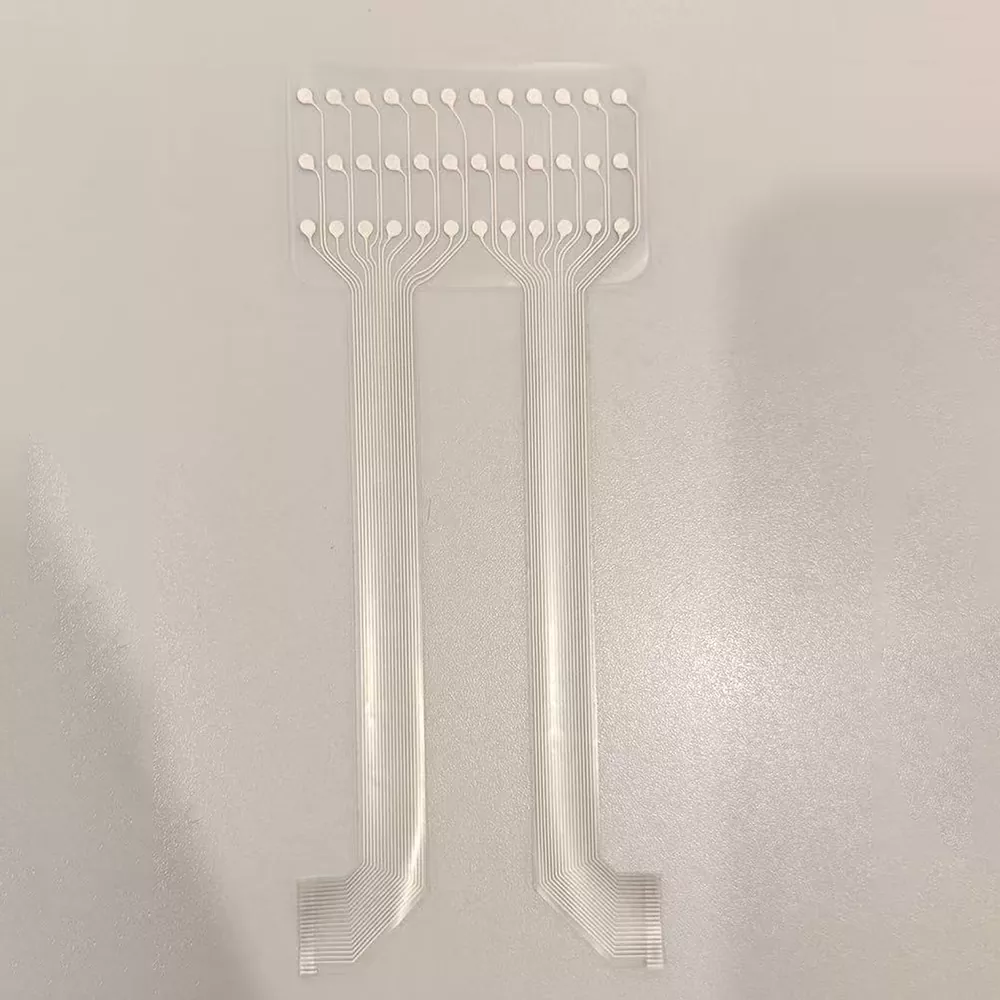
Single-sided medical FPC
Composed of a layer of conductor (usually drawn copper) and a layer of insulating substrate (such as polyimide PI or polyethylene terephthalate PET), it has low cost, extremely thin thickness, and excellent flexibility. It is suitable for application in one-time medical sensors (such as temperature stickers, blood oxygen probe stickers), simple electrode patches, and one-time electrocardiogram (ECG) monitoring wires.
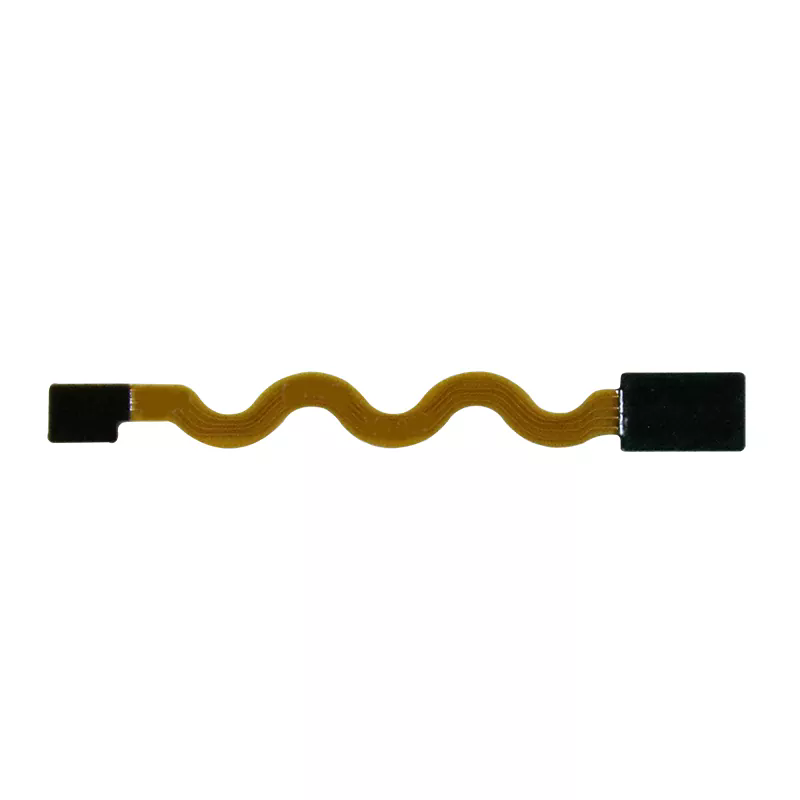
Double-sided medical FPC
The upper and lower layers of conductors, with an insulating substrate in the middle, achieve the conduction of the upper and lower layer circuits through metallized vias (PTH). The high wiring density takes into account both flexibility and multi-functional connection requirements, and is applied in the internal connection wires of portable blood glucose meters, ultrasonic probe connection wires, and smart wearable health monitoring devices.
Multi-layer medical FPC
By laminating three or more layers of single/double-sided circuits together through lamination technology, it features a complex blind hole/buried hole network inside, with extremely high wiring density. It can integrate highly complex electronic components, but its flexibility is relatively lower than that of single/double-sided panels. It is used in signal processing modules of high-end medical imaging equipment and main control boards of complex multi-parameter monitors.
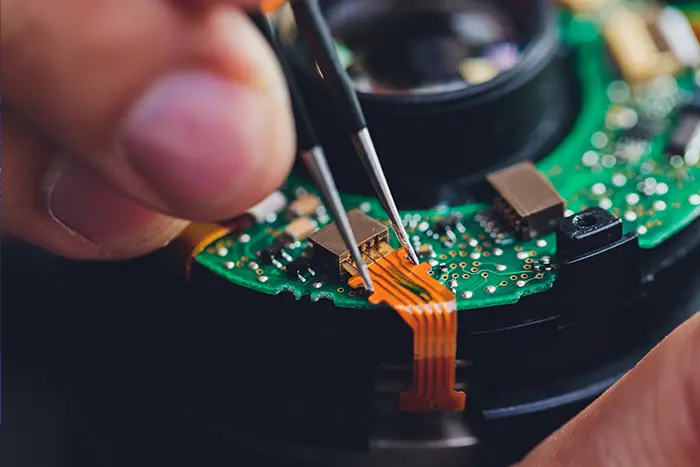
Flex-rigid hybrid board
Integrating a rigid PCB board and a flexible FPC board through a lamination technology, without the need for additional cable connectors, with high signal transmission stability and space utilization, and extremely strong vibration resistance. It assists capsule endoscopy, front-end lens modules of endoscopes, and surgical robot end effector.
What are the differences between Medical FP and consumer electronic FPC?
|
Comparison Dimension
|
Consumer Electronics FPC
|
Medical FPC (Medical-Grade)
|
|
Standard System
|
IPC-6013 Class 2; ISO 9001
|
IPC-6013 Class 3/3A; ISO 13485; FDA / CE safety & biological standards; RoHS; REACH; ISO 10993 (biocompatibility); USP Class VI
|
|
Core Materials / Plating
|
Ordinary copper foil; standard electroplated / chemical gold (ENIG); conventional nickel
|
Oxygen-free copper (OFC); pure gold; platinum; titanium; lead-free, non-toxic coatings
|
|
Precision & Line Width/Spacing
|
Standard: 35–50 μm
|
Ultra-fine, high-precision: < 15 μm (Ultra-HDI)
|
|
Environmental Tolerance
|
Daily sweat exposure; normal-temperature bending; general drop resistance
|
Resistance to body-fluid corrosion; high temperature & high pressure (autoclave); EtO (ethylene oxide) sterilization; anti-rejection / failure tolerance in vivo
|
|
Quality Target (Rework/Failure Rate)
|
Extremely low rework rate allowed (within normal market acceptance levels)
|
Zero-Defect requirement (zero failure rate — directly related to patient life safety)
|
|
Traceability Management
|
Batch-level traceability
|
Strict full-process traceability with DHR (Device History Record) documentation
|
FAQ
How does Medical FP address the repeated disinfection and sterilization requirements for medical equipment?
Resistant to sterilization: Select materials and cover films that are resistant to high temperatures and hydrolysis, capable of withstanding high-temperature autoclave sterilization, ethylene oxide (EtO) sterilization, and gamma-ray (Gamma) radiation sterilization.
Corrosion protection: Use high-density triple protection coatings (such as Parylene) or medical-grade sealants to prevent erosion by strong chemical disinfectants such as medical alcohol and hydrogen peroxide.
In terms of the production process and quality control, how can "zero defect" be ensured?
Before leaving the factory, comprehensive tests such as automatic optical inspection (AOI), high-voltage insulation resistance test, micropore connectivity test, and cold and hot shock test are conducted. Establish a complete Device History Record to achieve full-process traceability from raw material batches, production equipment parameters, personnel operations to finished product inspections at the single-board level/small batch level. It is carried out in an ISO Class 7 (10,000 Class) or ISO Class 5 (100 class) dust-free cleanroom, with strict control over particle and microbial contamination.



 Whatsapp