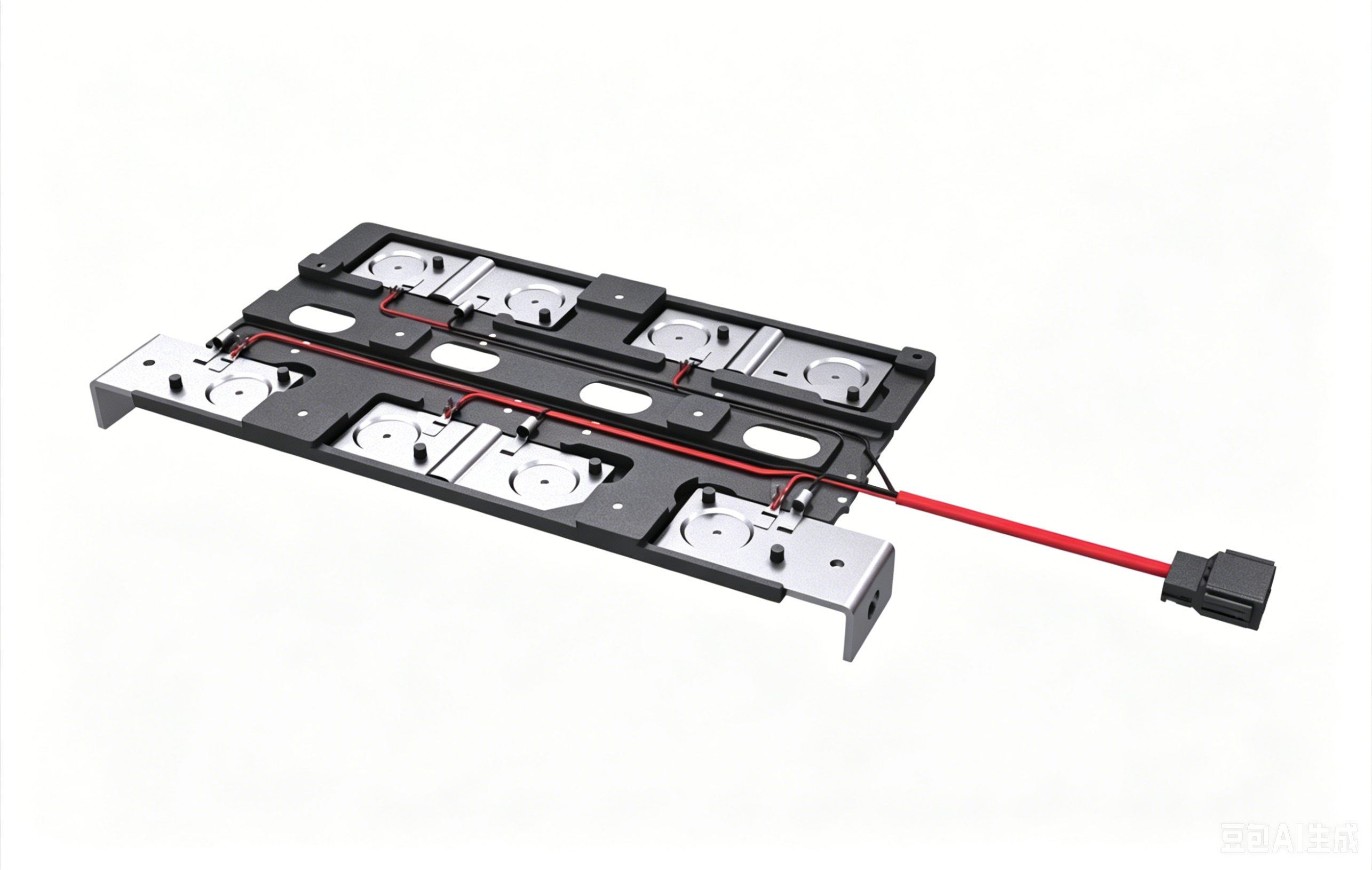
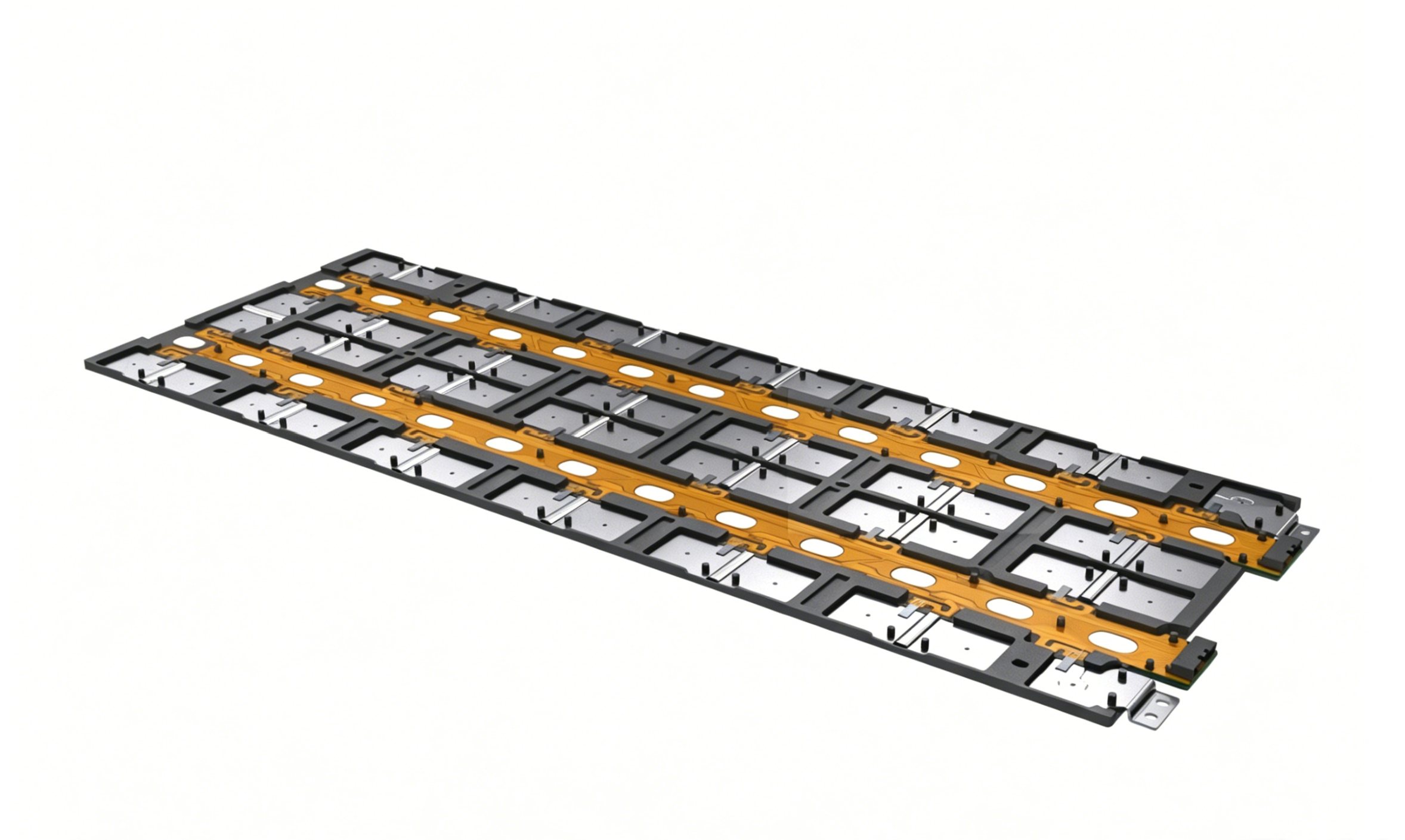
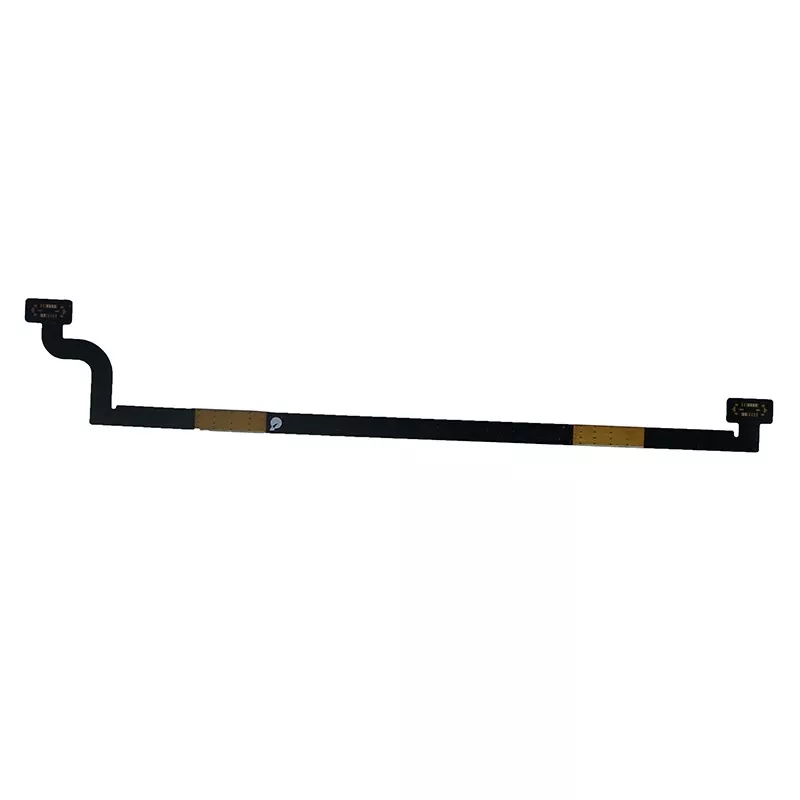
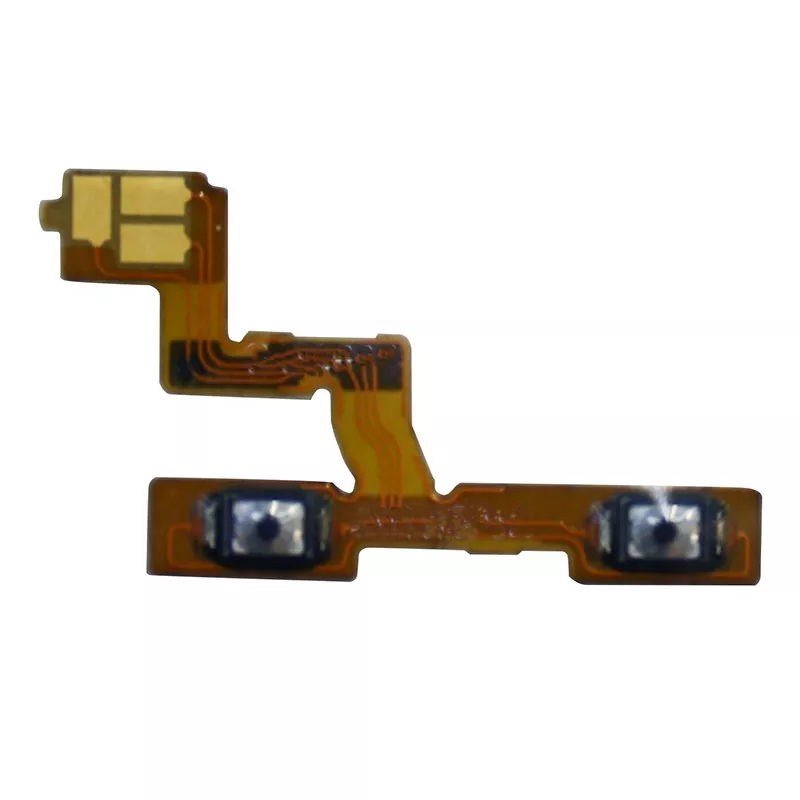
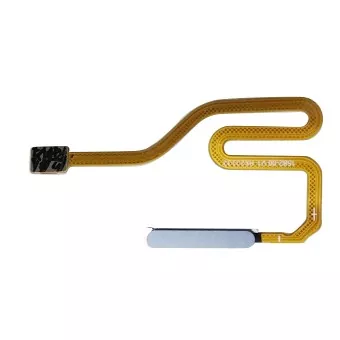
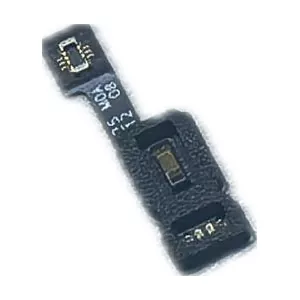
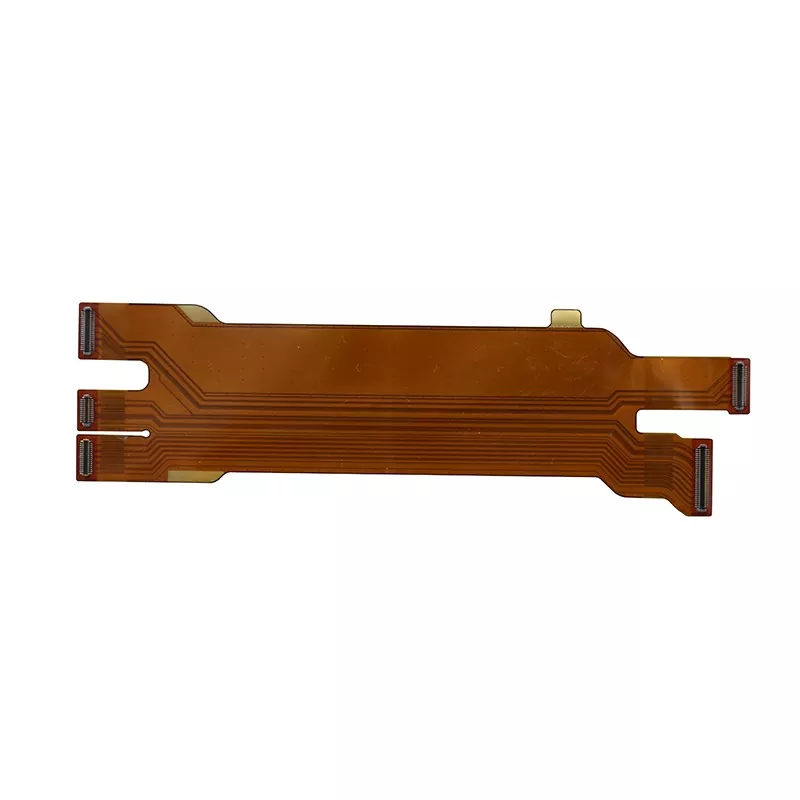
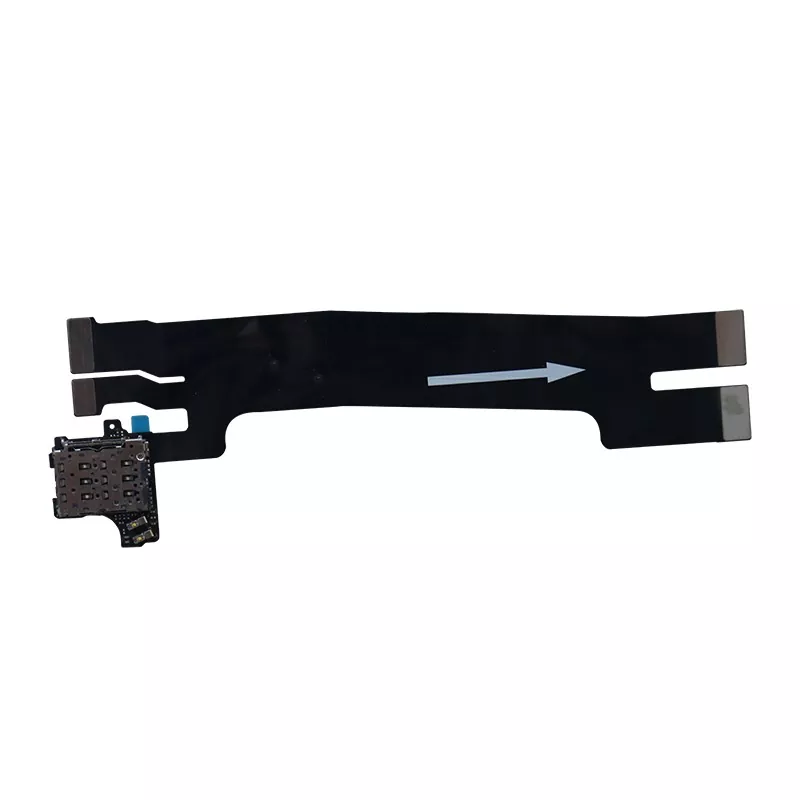
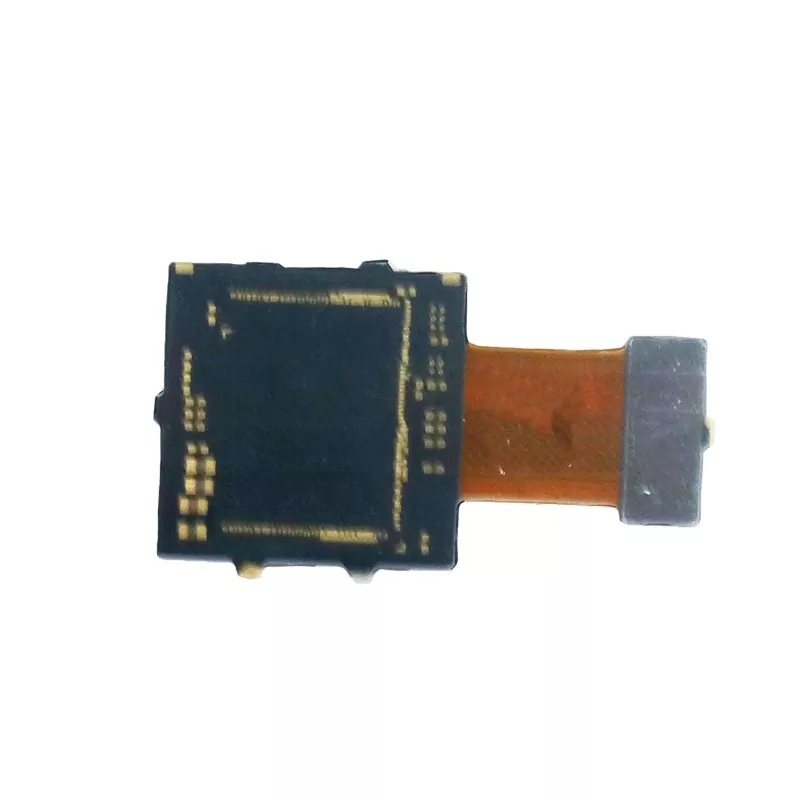
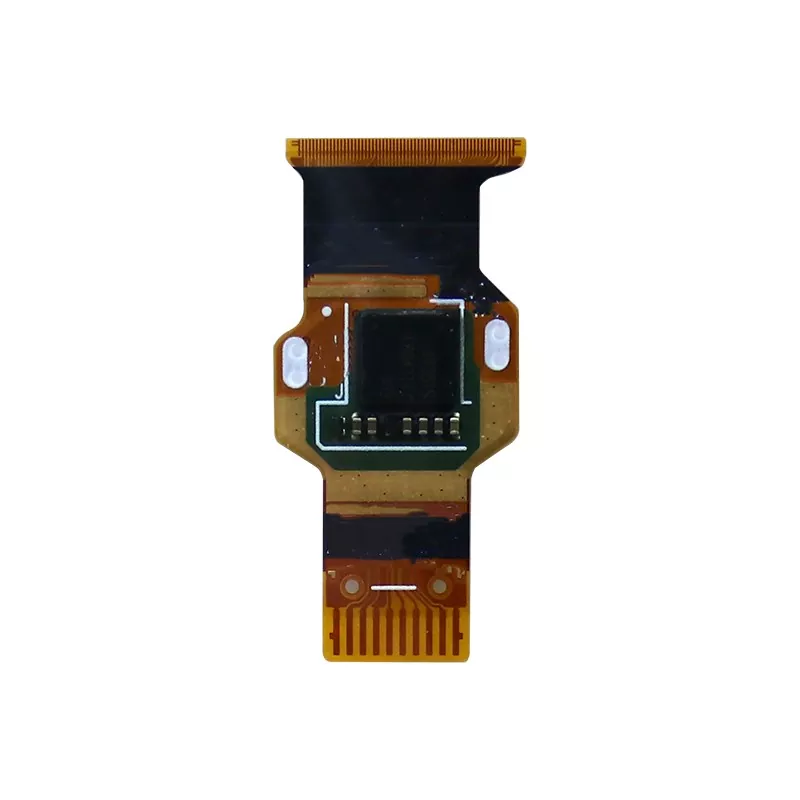
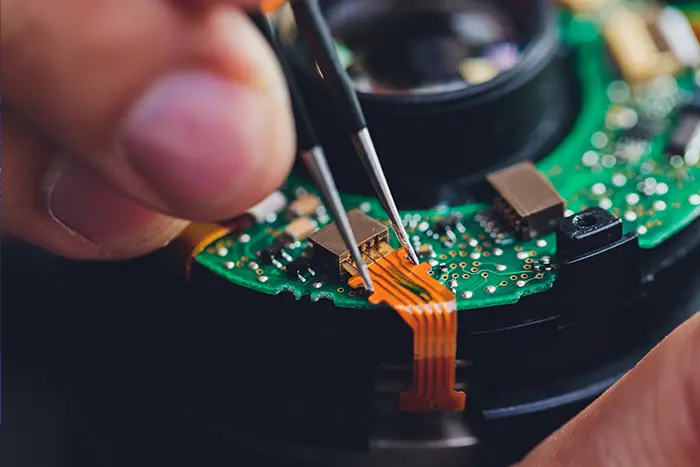
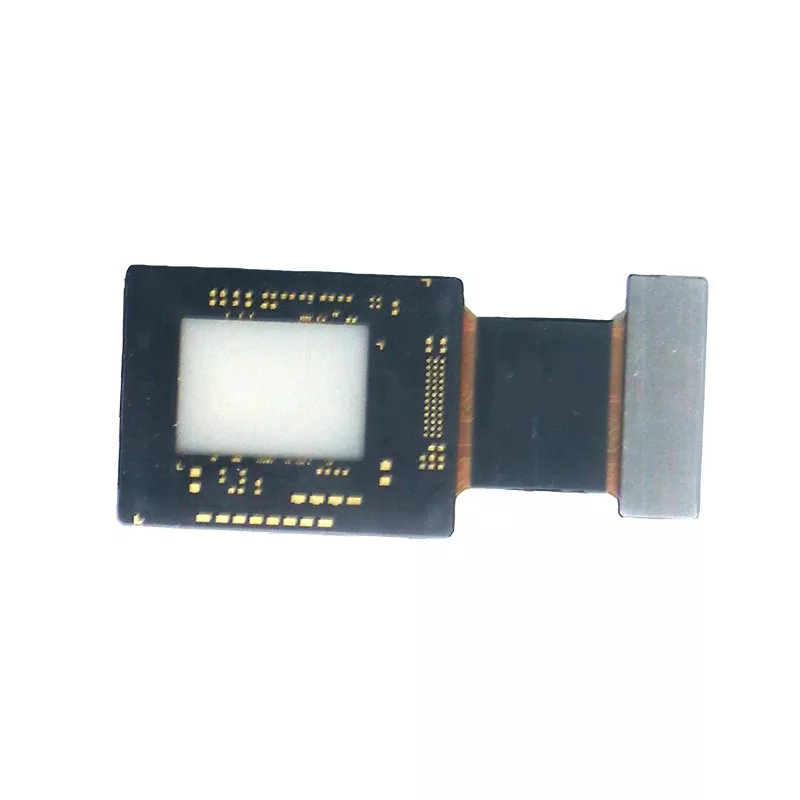
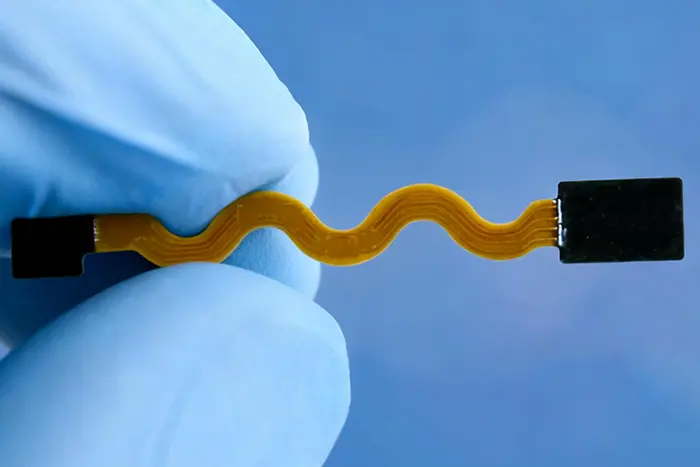
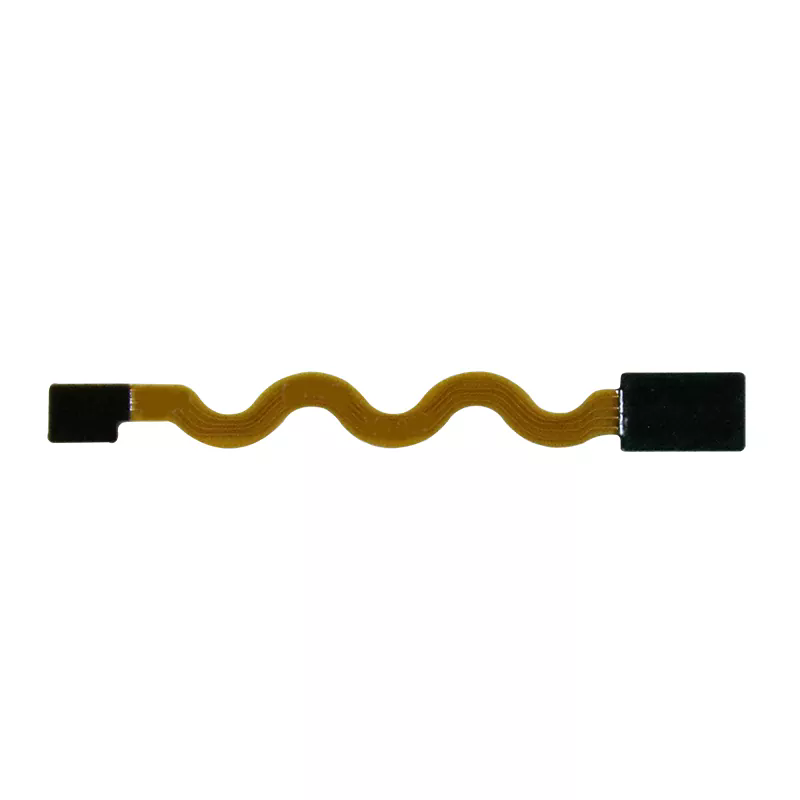
Mobile Phone Flash FPC (Flexible Printed Circuit) from Honflex is a high-quality flexible circuit substrate designed for smartphones, enabling stable signal connection and transmission between the display screen and motherboard. As a trusted China manufacturer and supplier, Honflex provides reliable Flash FPC solutions for global brands, ideal for bulk purchase and customized applications.
Mobile Phone Flash FPC (Flexible Printed Circuit) is a critical internal component connecting the phone's flash LED module to the mainboard, enabling reliable power supply and signal transmission. It ensures stable lighting performance, fast response, and compact integration, contributing to the phone's slim design and high reliability. Applications include smartphone cameras, LED flash modules, and front/rear flash systems.
Structure
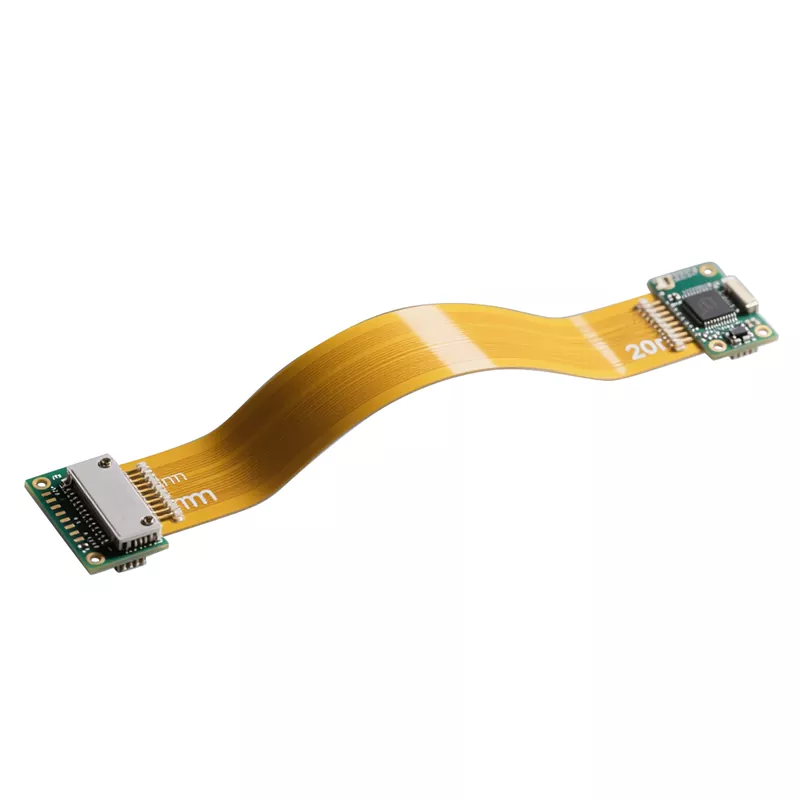
The structure of mobile phone Flash FPC mainly consists of the following components:
Insulating Film: Provides flexibility and high temperature resistance.
Conductor (Copper Foil): Carries the transmission of circuit signals. Classified into rolled copper and electrolytic copper, which differ in flexibility and durability.
Adhesive: Ensures firm bonding of materials between all layers.
Main Functions
Connection Function: Connects modules such as the screen, processor and battery to ensure stable signal transmission.
Support and Protection: Provides flexible support for the display screen and prevents circuit damage caused by deformation.
Adaptability: Supports morphological changes such as foldable and rollable screens to enhance user experience.
Application Advantages
The mobile phone Flash FPC application advantages in smart phones are reflected in the following aspects:
Enhanced Screen Flexibility: Enables the screen to bend and fold, and improves its durability.
Optimized Internal Space Layout: The thin and lightweight characteristics facilitate high-density circuit connection in compact spaces.
Improved Integration: Supports multi-function integration while maintaining the thin and lightweight design of mobile phones.
Enhanced User Experience: Lays a foundation for innovative forms such as foldable screens and delivers more flexible usage methods.
Development Trends and Challenges
Development Trends:
Higher Density: Evolving toward higher density to accommodate more circuits and components.
Greater Flexibility: Meeting the increasingly complex requirements for shapes and spatial layouts.
Environmental Sustainability: Attaching greater importance to environmental protection in the manufacturing process.
Challenges Faced:
Reliability Improvement: Meeting the stability requirements for long-time usage.
Cost Control: Reducing costs on the premise of ensuring performance to drive widespread application.
Environmental Requirements: Achieving green production and sustainable development.
Connector Applications
Mobile phone Flash FPCs are often used in conjunction with various connectors, mainly including:
FPC Connector: Used for connecting the LCD display to the drive circuit, with a dominant pin pitch of 0.4 mm, and evolving toward pitches of 0.3 mm and smaller.
Board-to-Board (B2B) Connector: Pin pitch and height are gradually reduced, with the current dominant specification of 0.4 mm pitch, and developing toward heights of 0.35 mm and lower.
I/O Connector: Integrates power and signal connection functions, evolving toward thinner profiles, standardization and waterproof performance.
Card Connector: Such as SIM card and T-FLASH connectors, evolving toward ultra-low thickness and multi-function integration.
Battery Connector: Developing toward miniaturization, low contact impedance and high reliability.
Camera Socket Connector: Provides electromagnetic shielding and facilitates maintenance, with the coexistence of standardization and customization.
With the continuous enrichment of smart phone functions and constant innovation of form factors, Flash FPC will play a more critical role in enhancing screen flexibility, optimizing internal layout and improving user experience.
FAQ
1.What is Mobile Phone Flash FPC?
A flexible printed circuit connecting the phone's flash LED module to the mainboard for reliable power and signal transmission.
2.What are its main functions?
Ensures stable flash lighting, fast response, and efficient energy delivery for camera or LED modules.
3.Why is Flash FPC important?
It supports slim smartphone design, high-performance camera flashes, and reduces electronic component size.
4.Where is it used?
Smartphone front/rear flash, LED camera modules, and other compact lighting systems.
5.Who can supply high-quality Flash FPC?
Honflex is a trusted China manufacturer and factory, offering customized solutions for global brands.
6.Can it be customized?
Yes, circuit length, connector type, and material can be tailored to your device requirements.
7.How to place an order?
Contact Honflex directly for quotes, samples, and bulk purchasing options.
8.Is it durable and reliable?
Yes, designed for long-term stable performance, high reliability, and repeated on/off flash cycles.
Contact Us
For more product details or to discuss cooperation:
Looking for a reliable FPC manufacturer or supplier in China? Send your inquiry to Honflex today. Our experienced engineering and sales teams will respond promptly with technical support, solution recommendations, and competitive manufacturing proposals.
We use cookies to offer you a better browsing experience, analyze site traffic and personalize content. By using this site, you agree to our use of cookies. Privacy Policy