Products
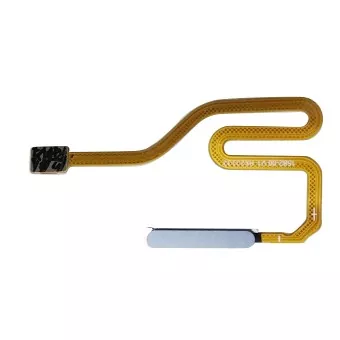
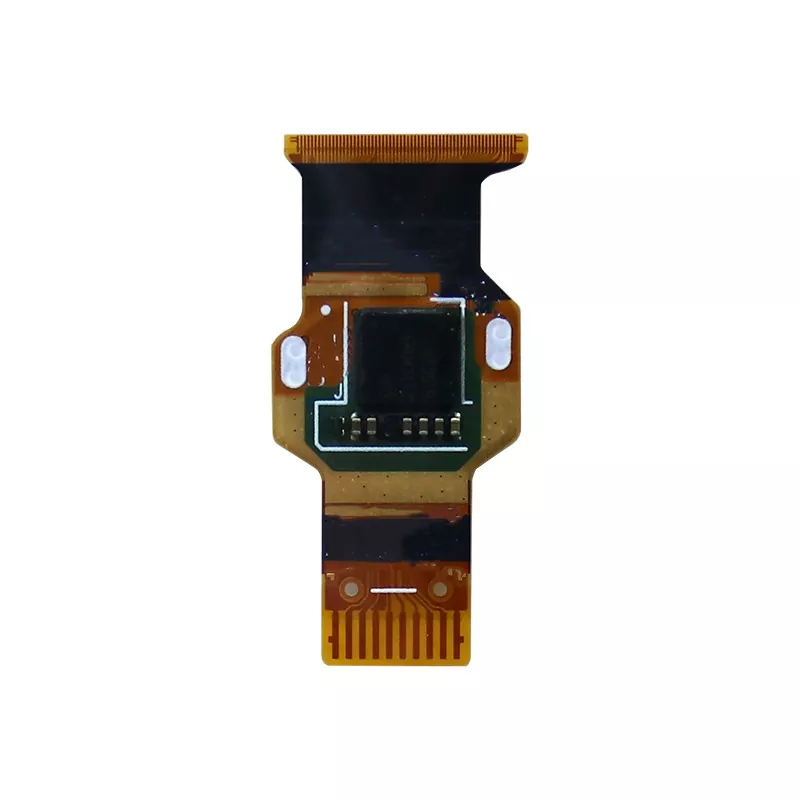
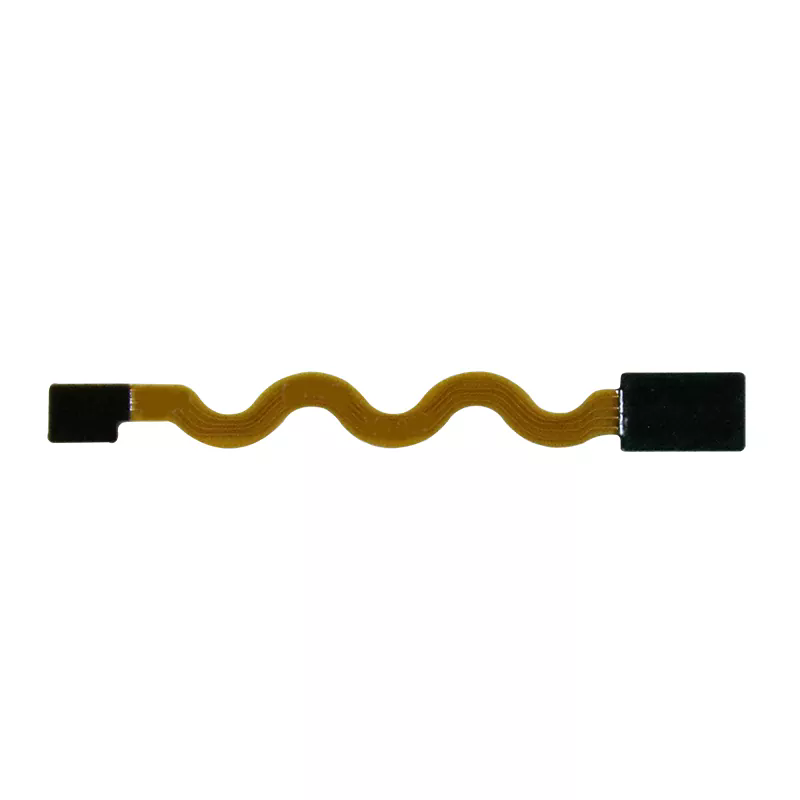
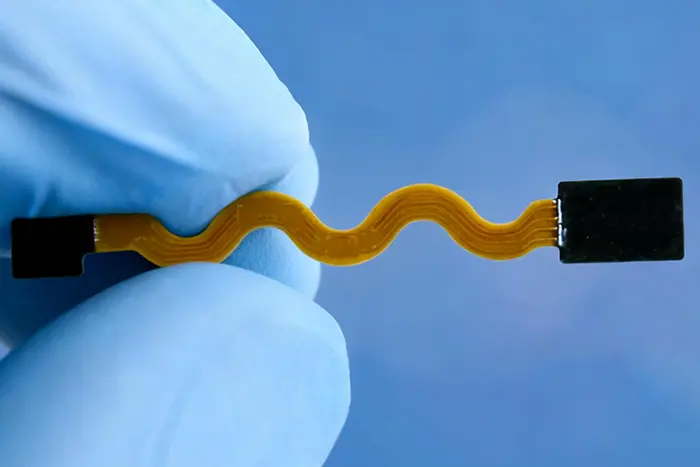
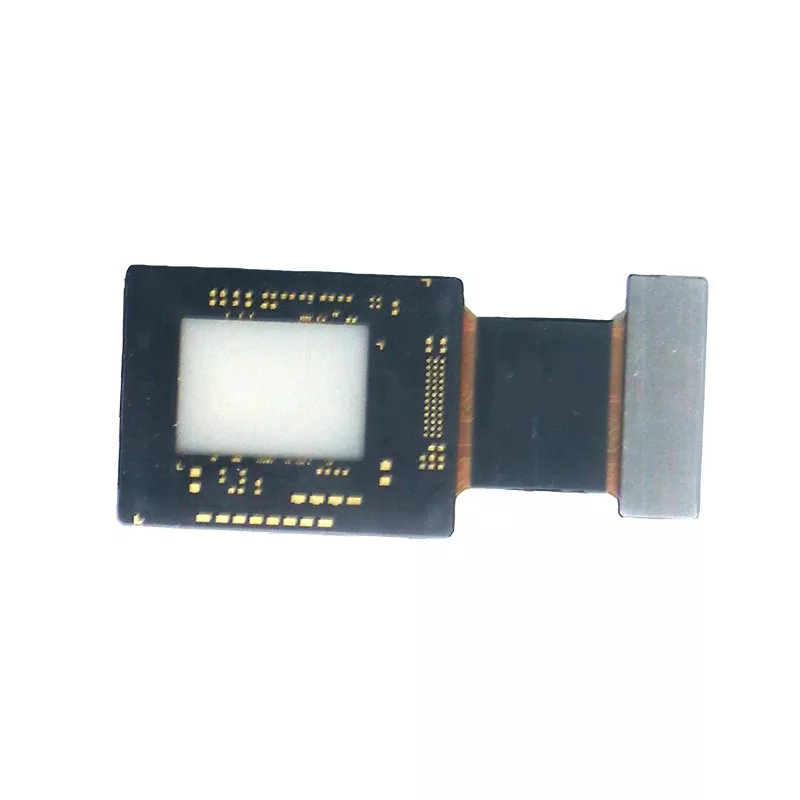
Tablet Camera Rigid-Flex PCB
  • Tablet Camera Rigid-Flex PCBTablet Camera Rigid-Flex PCB

Tablet Camera Rigid-Flex PCB

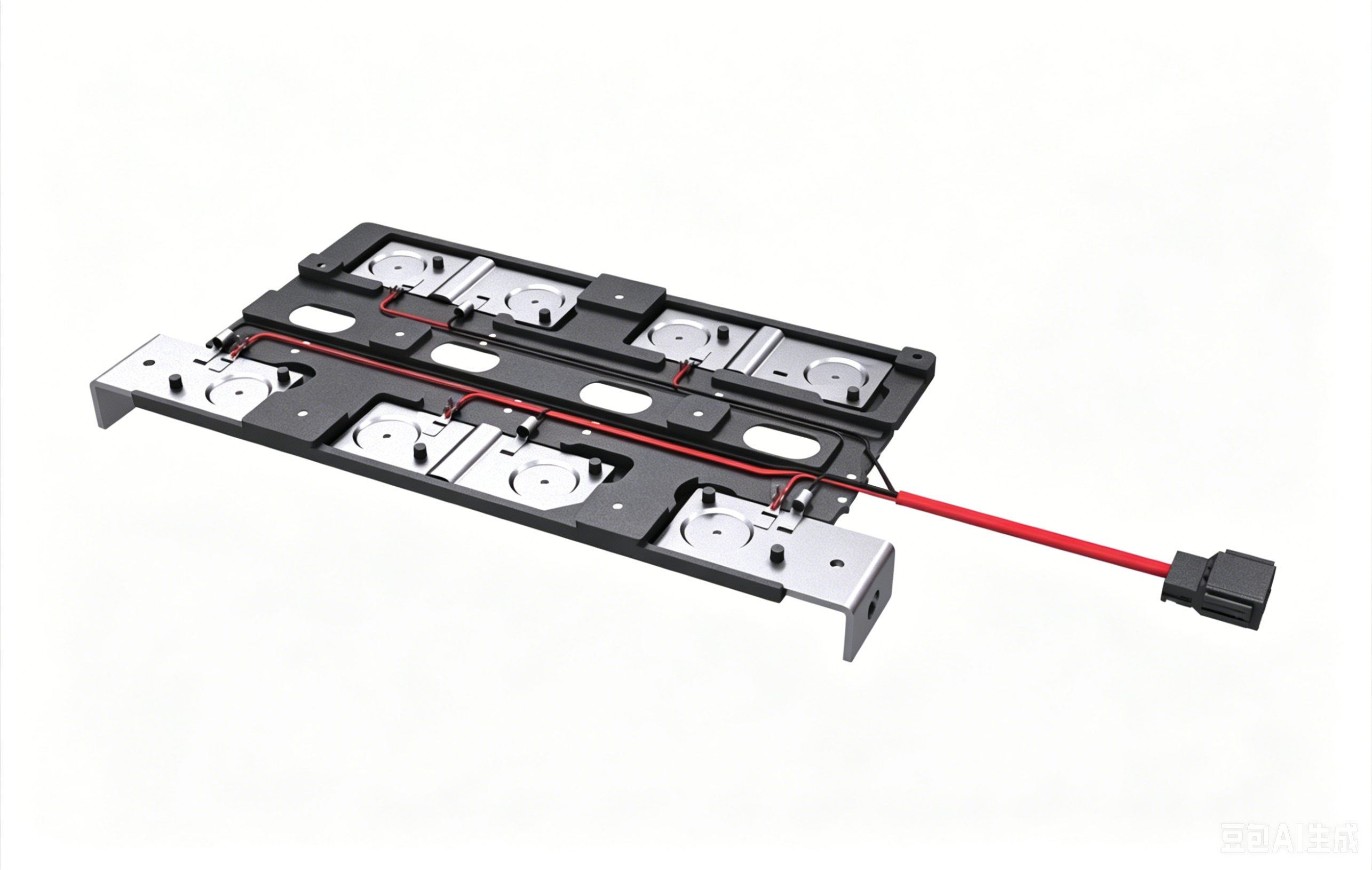
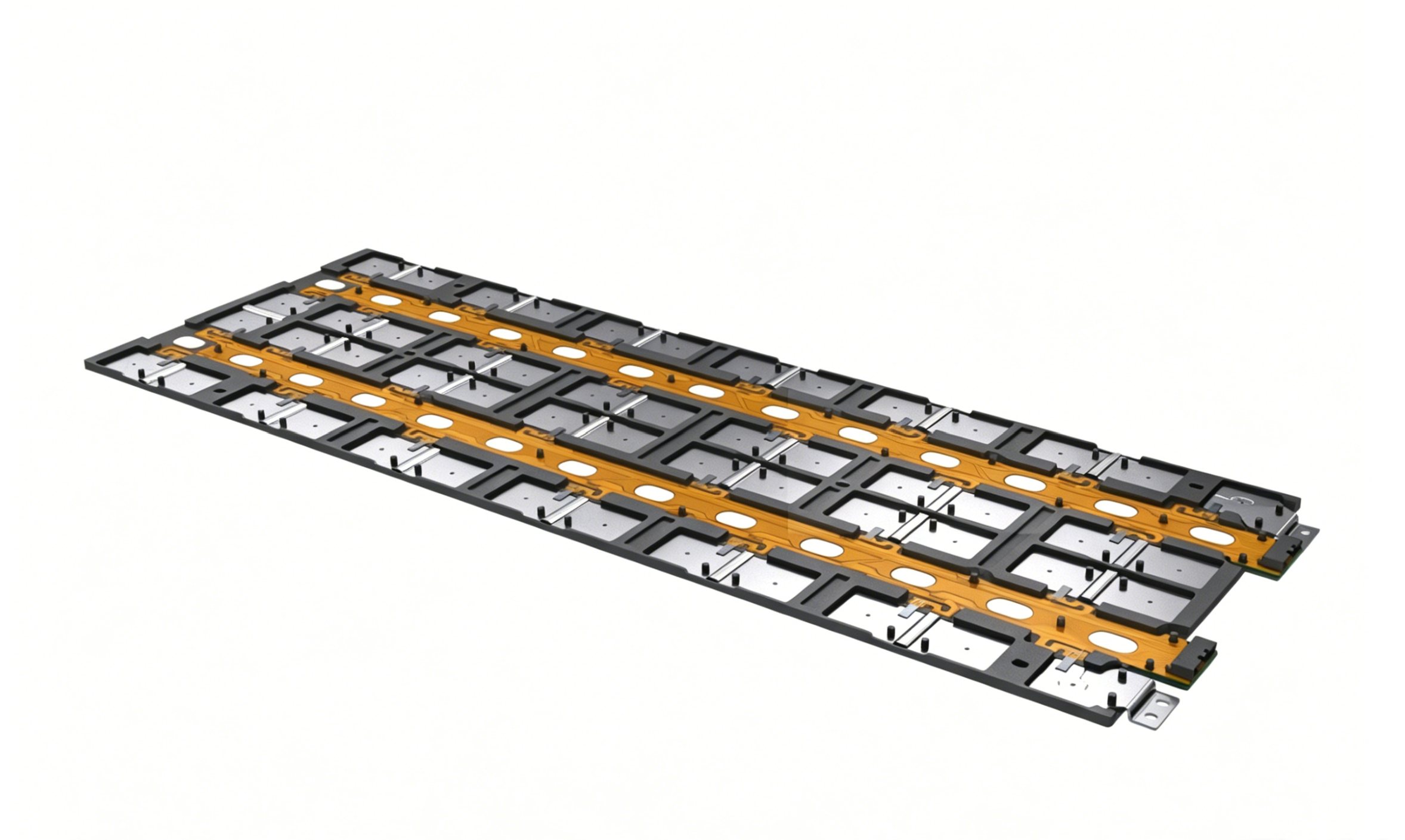
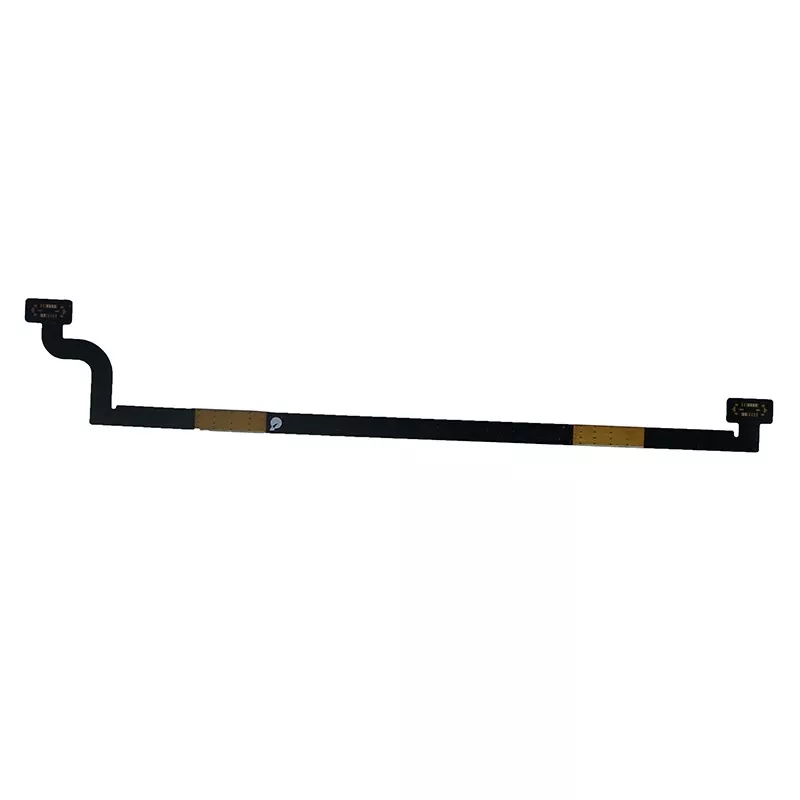
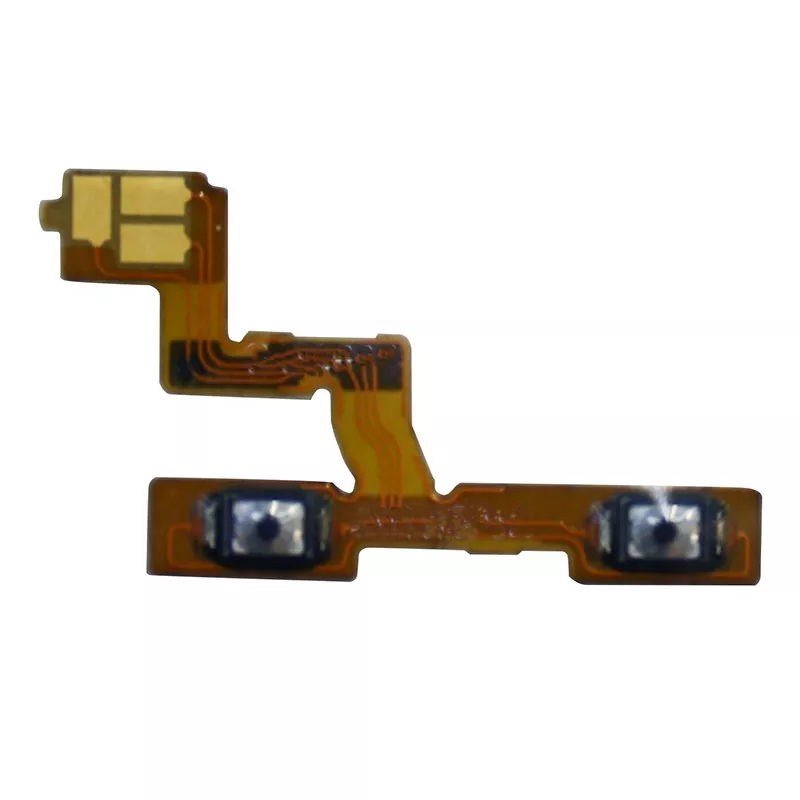
Honflex, a leading China manufacturer and supplier of Tablet Camera Rigid-Flex PCB, specializes in high-density design and precision manufacturing. Our factory delivers ultra-thin, high-reliability PCBs with excellent signal integrity. Ideal for OEM/ODM procurement, Honflex solutions enhance device slimness, heat dissipation, and overall performance for global tablet brands.

Honflex is a leading China manufacturer and supplier specializing in Tablet Camera Rigid-Flex PCB solutions. Designed for global tablet OEMs and ODMs, our boards provide ultra-thin, high-reliability connections that optimize device space, signal integrity, and mechanical durability.

Core Structure and Features:

1. Connection between the display panel and the mainboard: This is the most common application. LCD or OLED screens typically connect to the mainboard via highly integrated rigid-flex PCBs. The flexible portion easily threads through hinges or narrow device edges, while the rigid portion can directly serve as the substrate for the display driver board, reducing connector and harness usage.

2. Camera modules: Front and rear cameras require precise positioning and stable signal transmission. Directly soldering the flexible portion to the camera module minimizes volume and allows fine focus adjustment during assembly.

3. Buttons and side function circuits: Power buttons, volume buttons, and Type-C interface sub-boards commonly employ compact rigid-flex PCBs. The rigid portion secures the interface, while the flexible portion transmits signals to the mainboard.

4. Antenna and stylus charging modules: Some high-end tablets integrate antennas or stylus wireless charging coils into rigid-flex PCBs, using the flexible portion for layout optimization and the rigid portion to secure magnetic components and driver ICs.

Key Performance Advantages:

1. Maximized space utilization: The flexible portion enables bending for three-dimensional routing, allowing designers to utilize gaps beneath the mainboard and corners along the battery edge, dramatically improving space efficiency, which is critical for making tablets thinner and lighter.

2. High reliability and vibration resistance: It eliminates numerous plug-and-play connectors and solder joints. As an integrated structure, the flexible portion provides cushioning during vibration or drop impacts, preventing disconnections, and offering higher reliability than board-to-board connector solutions.

3. Signal integrity: In high-speed signal transmission, connectors are potential sources of signal reflection and interference. Rigid-flex PCBs achieve continuous impedance control from the mainboard to functional modules, reducing signal loss and electromagnetic interference, which is crucial for high-resolution displays and HD cameras.

4. Simplified assembly: By integrating multiple components on a single board, it reduces the number of parts for SMT mounting and device assembly, and it decreases assembly errors and improves production efficiency.

5. Tolerance absorption: Batteries undergo slight thermal expansion and contraction during charge/discharge, and their mounting plane often differs from the mainboard. Rigid-flex PCBs absorb tolerances, ensuring reliable connections despite vibration or minor battery deformation.

6. Camera module integration: Camera modules are compact and positioned uniquely (typically at edges or corners). Rigid-flex PCBs allow the rigid portion to carry camera chips while the flexible portion bends toward the mainboard, ensuring imaging component stability while resolving spatial misalignment issues.

Key Technical Parameters:

1. Structural Parameters:

Rigid section thickness: Constrained by chip and component packaging, common thicknesses include 0.8 mm, 1.0 mm, 1.2 mm, etc.

Flexible section thickness: Pursuing extreme thinness, typically between 0.12 mm and 0.3 mm, to ensure bendability.

Rigid section layers: Depending on signal complexity, may be 4, 6, 8, or more layers.

Flexible section layers: Typically 1-2 layers, maximum 4 layers (considering bend-life requirements).

Dimensional stability: Expansion/contraction rate need to be controlled to extremely low levels (e.g., within 0.05%) to ensure rigid-flex junction alignment accuracy.


2. Electrical Performance:

Minimum trace width/spacing: Typically require 3mil/3mil (0.075mm) or even 2mil/2mil fine-line circuitry.

Minimum via diameter and pad: For HDI (High-Density Interconnect) PCBs, microvia diameter is typically 0.1 mm or smaller.

Impedance control: Common target values are 50Ω (single-ended), 90Ω (differential, e.g., USB), and 100Ω (differential, e.g., HDMI, MIPI) ±10%.

Transmission bandwidth: It supports multi-Gbps per-channel high-speed data transmission, meeting high-resolution, high-frame-rate imaging requirements.

Operating temperature: It ranges from -20°C to +70°C, meeting stringent consumer electronics usage environment requirements.

Application Scenarios

The primary applications of rigid-flex PCBs in tablet computers focus on key areas requiring dynamic bending, three-dimensional routing, or space-constrained locations:

1. Connection between the Display Panel and the Mainboard

This is the most classic application scenario in tablets. The display requires substantial data transmission (e.g., video signals, touch signals) with the mainboard, connecting LCD or OLED displays to the mainboard.

2. Camera Modules

Modern tablets typically feature front and rear cameras, with some high-end models including depth-sensing cameras (such as structured light or ToF lenses), connecting compact camera modules (CCM) to the mainboard.

3. Battery and Power Management Circuits

The connection between battery protection boards and main power management ICs (PMIC).

Tablet Camera Rigid-Flex PCB

Our Value and Commitment

We specialize in providing industry-leading adapter/rigid-flex PCB solutions for the mobile sector. Beyond standard high-reliability products, we possess strong collaborative design, simulation optimization, and custom development capabilities. With deep expertise in precision circuit processing, materials science, thermodynamic simulation, and signal integrity analysis, we can work closely with customers to provide full-process support from concept design to mass production delivery, tailored to specific ID designs, stacked architectures, and imaging performance objectives. We are committed to helping customers break through spatial and performance limitations of mobile imaging systems through innovative engineering technology, creating clearer, more stable, and more innovative shooting experiences. We are your trusted core component partner.

Contact Us

For more product details or to discuss cooperation:


Please feel free to inquire.

Contacts:


Terry Ding (Ding Rui), VP

Tel: +86-18750290300

Email: rding@hon-flex.com


Rick Wang (Wang Yuhe), Business Manager

Tel: +86-15959382432

Email: yhwang@hon-flex.com


Website: https://www.hongflex.com


Honflex Tablet Camera Rigid-Flex PCB is ideal for tablet OEMs, ODMs, and electronics procurement managers seeking high-quality, ultra-thin, and high-signal-integrity PCBs. Our factory supports bulk orders, custom layouts, and turnkey solutions to meet global tablet production needs.
Send Inquiry
Contact Info
  • Address

    No. 19, Xianghai Road, Xiang'an Industrial Zone, Torch High-tech Zone, Xiamen City, China

  • Tel

Looking for a reliable FPC manufacturer or supplier in China? Send your inquiry to Honflex today. Our experienced engineering and sales teams will respond promptly with technical support, solution recommendations, and competitive manufacturing proposals.
X
We use cookies to offer you a better browsing experience, analyze site traffic and personalize content. By using this site, you agree to our use of cookies. Privacy Policy
RejectAccept