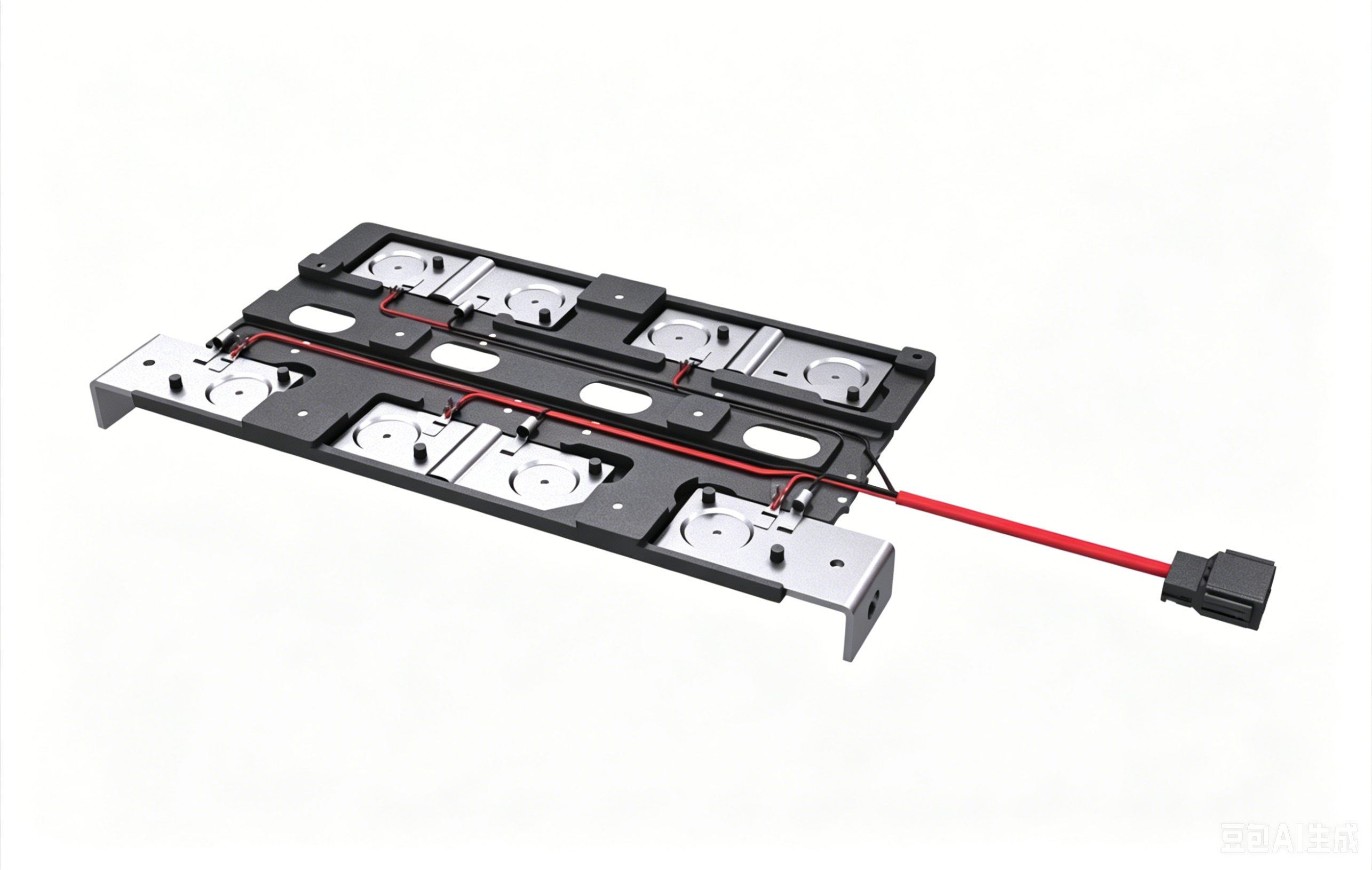
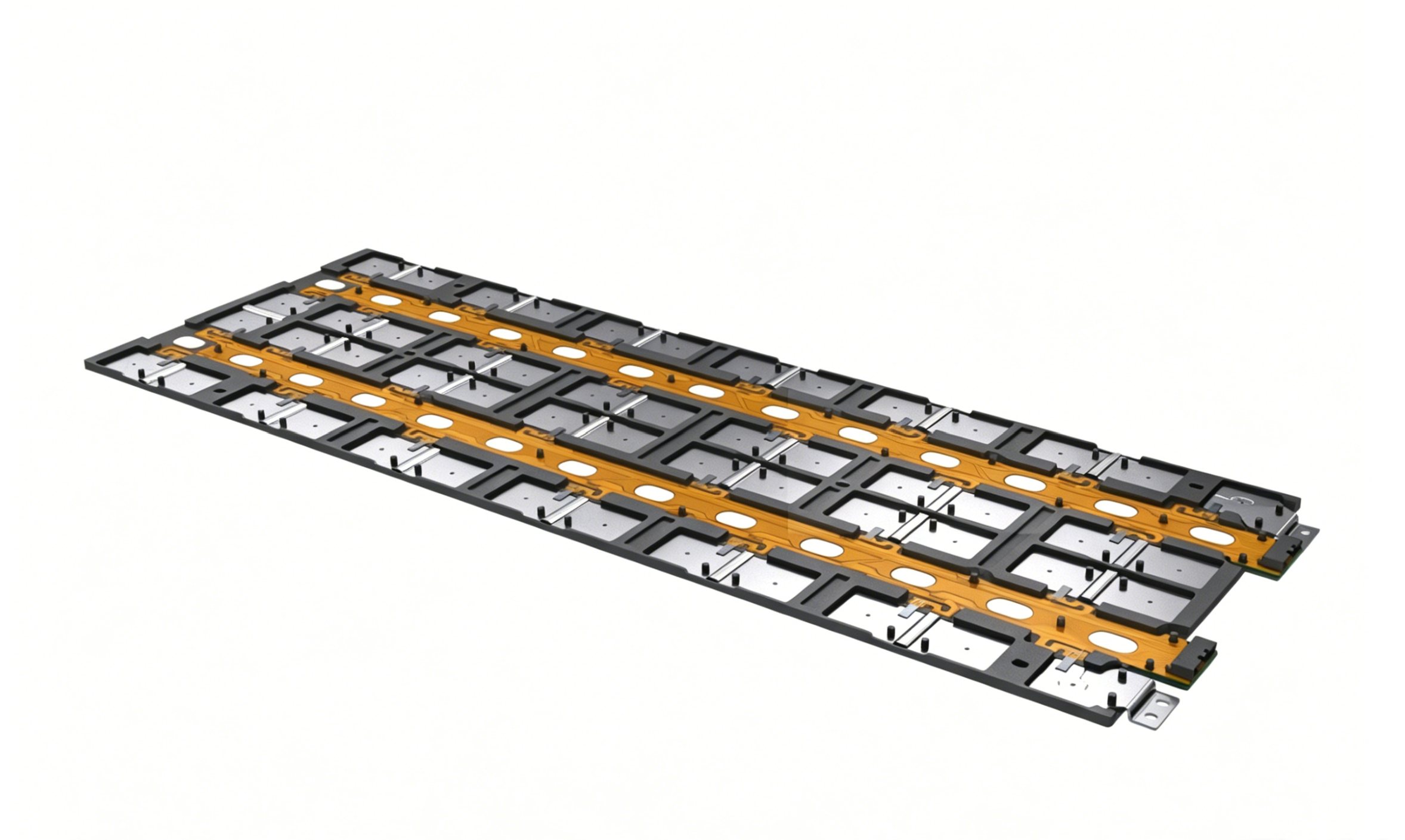
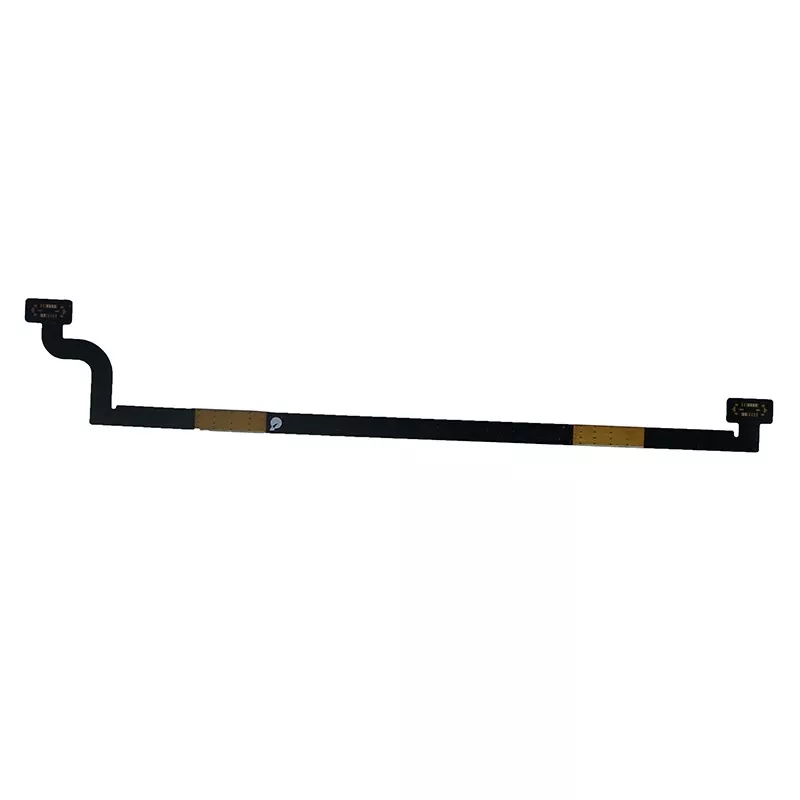
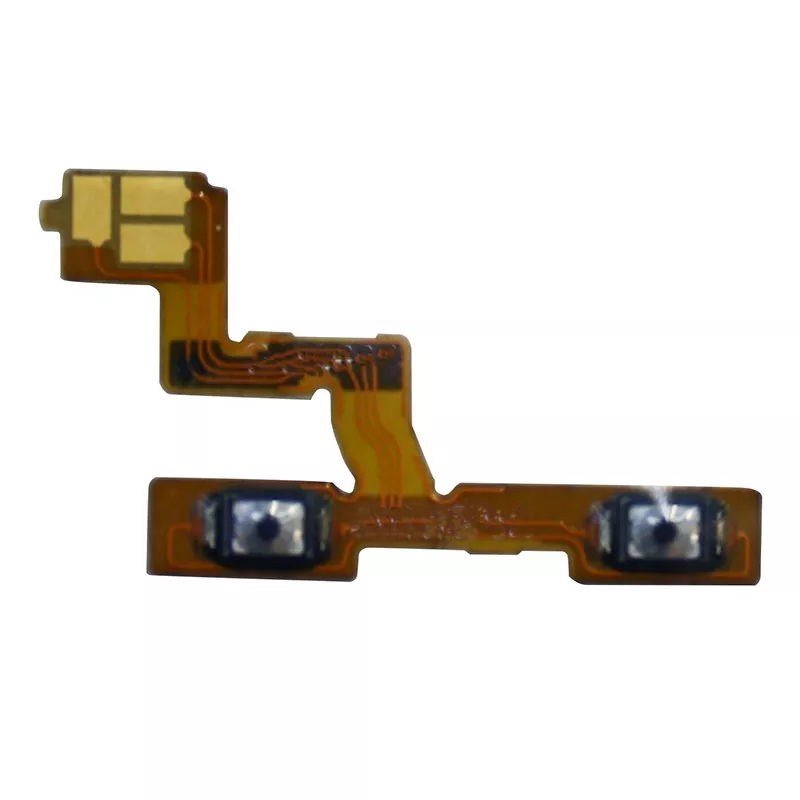
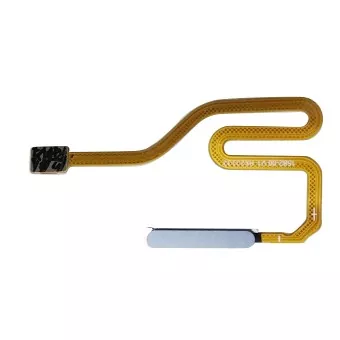
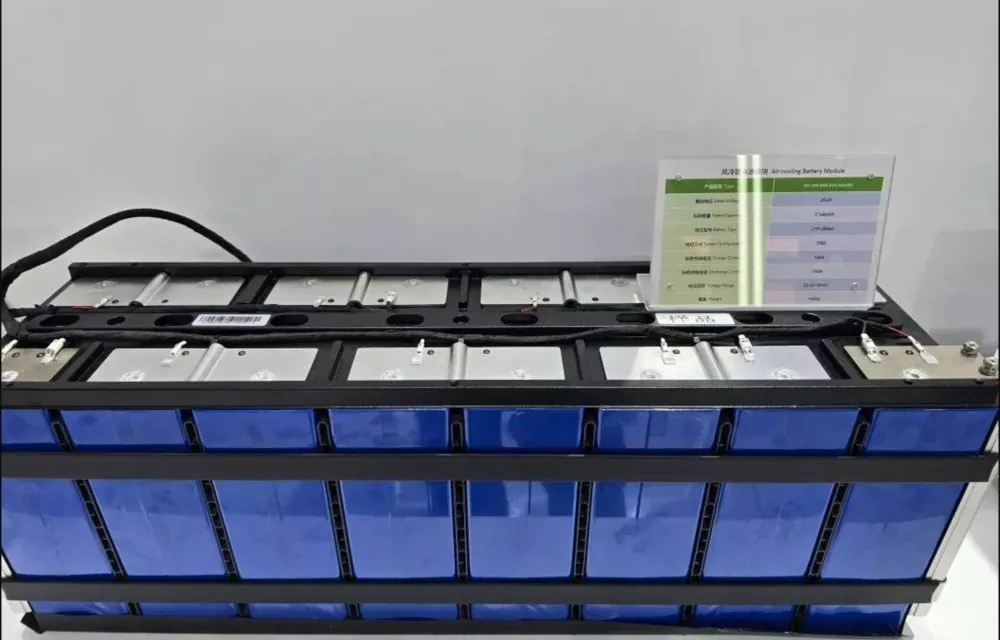
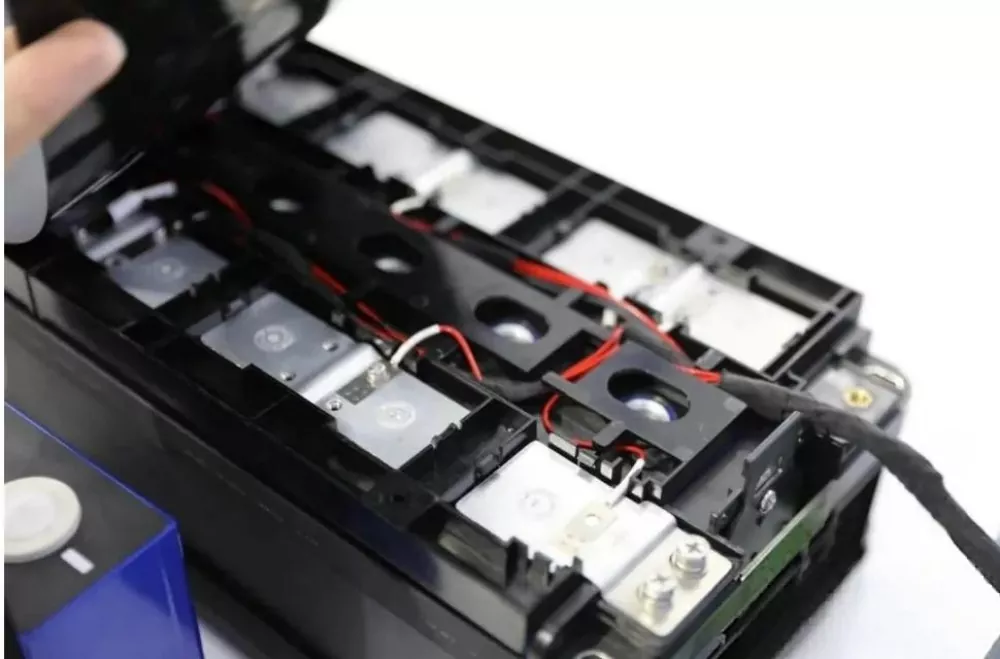
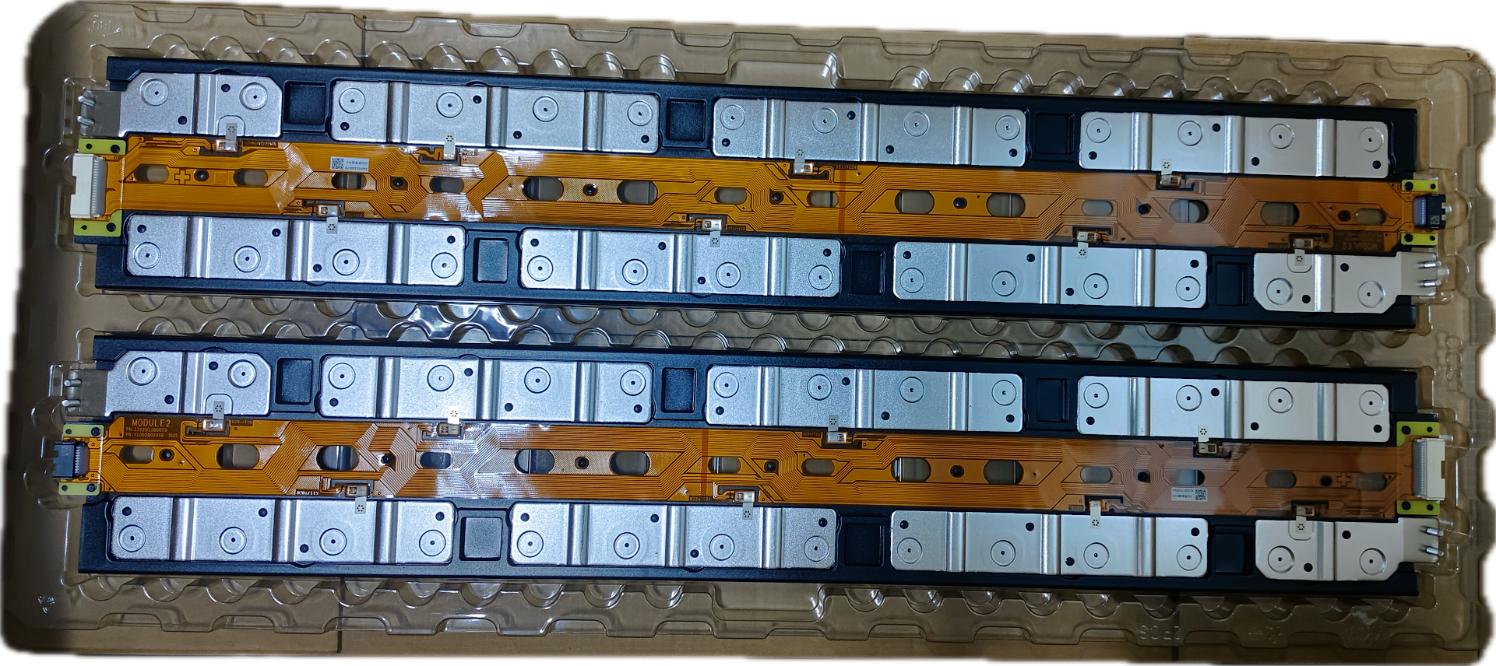
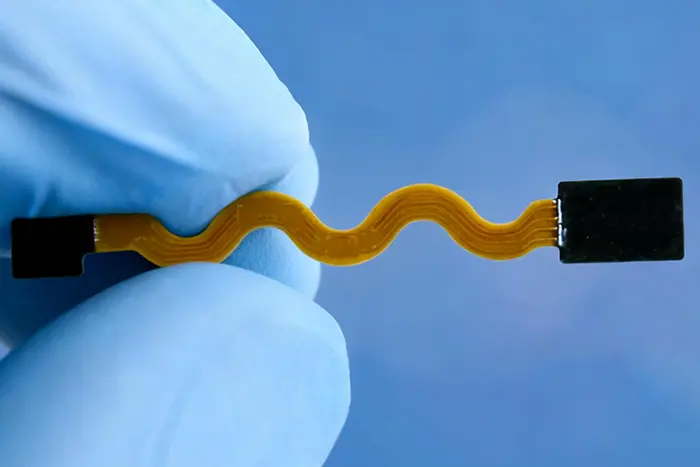
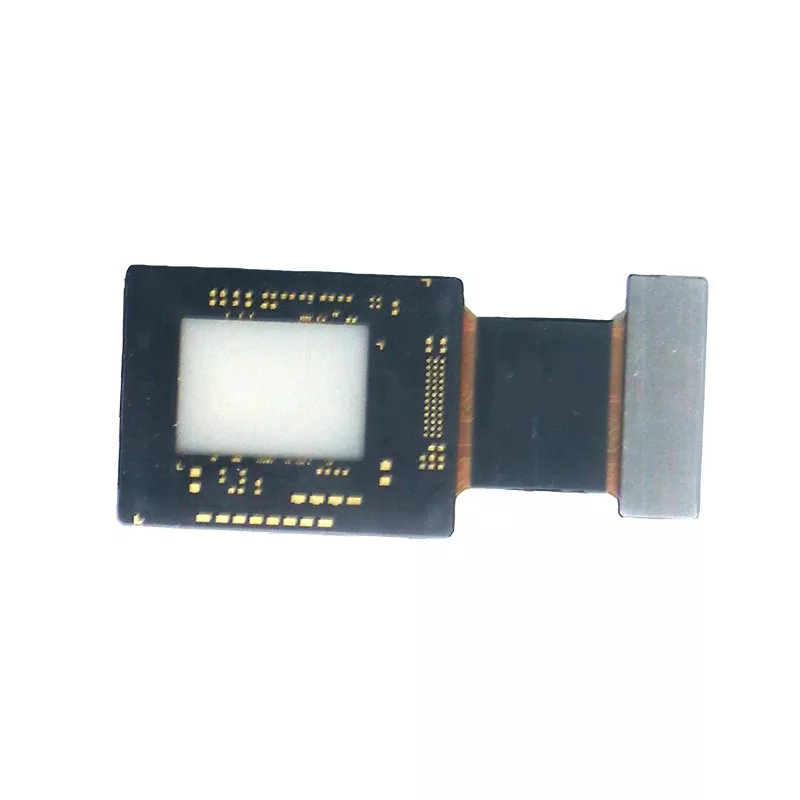
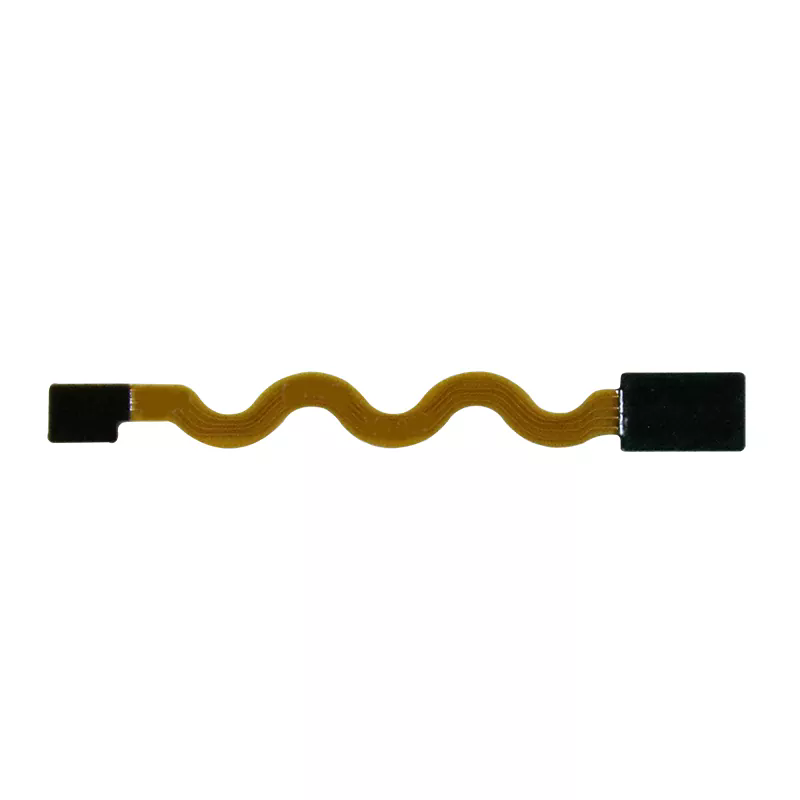
As a professional China manufacturer and supplier, Chengshi specializes in Cable CCS for Energy Storage Battery Packs, delivering reliable and cost-efficient connection solutions for global battery makers and ESS integrators. Our integrated busbar systems feature flexible modular design, mature production processes, and stable performance, enabling fast customization, efficient assembly, and optimized project cost control.
The Cable CCS for energy storage battery packs is a battery connection and management component that integrates traditional wiring harnesses (wires, terminals, connectors) with busbars, plastic structural parts, temperature sensors, and other elements into a single unit. Unlike CCS based on Flexible Printed Circuit (FPC), it retains the classic cable harness structure and systematically upgrades previously scattered and disorganized sensing harnesses through modular and integrated design. As the "structured neural network" of the Battery Management System (BMS), it is responsible for reliably collecting voltage and temperature signals from each individual cell, serving as a critical foundational module for battery safety monitoring, state assessment, and performance optimization in stationary energy storage systems.
Core Structure and Features
1. Modular Integrated Design:
Scattered independent voltage sampling cables and temperature sensor wires are integrated into orderly harness assemblies via connectors and terminals. These are pre-assembled with copper/aluminum busbars (which carry cell series/parallel connections) and insulating plastic brackets (isolating plates) to form a complete module. This design fundamentally transforms the traditional assembly mode of "first laying scattered wires, then attaching terminals," creating standardized functional units tailored for large-scale energy storage installations.
2. Stable and Reliable Connection Architecture:
Connections between busbars and cell terminals typically employ high-reliability processes such as laser welding.
Electrical connections between the cable harness and sensing points on the busbars are achieved through crimping, welding, or integration within connectors, ensuring a robust structure and avoiding the risk of individual wire loosening.
3. Adaptability to Automation:
While traditional scattered cables rely on manual assembly, once integrated into a CCS module, its regular shape and defined interfaces enable adaptation to higher degrees of automated assembly processes, such as robotic positioning and installation—crucial for high-volume energy storage production.
4. Flexibility in Technical Pathways:
Cable CCS is an important branch in CCS technology development. Based on design requirements, it can also be combined with other technical pathways like FPC or PCBA (Printed Circuit Board Assembly) to form hybrid integrated solutions, such as "Cable + Isolating Plate" or "FPC + Vacuum Forming / Cable," meeting diverse cost, performance, and spatial requirements for different energy storage applications.
Advantages
1. High Production and Assembly Efficiency: Integrating dozens or hundreds of scattered assembly points into the installation of a few modular components significantly simplifies the production process for large energy storage battery packs.
2. Connection Reliability and Consistent Quality: Core welding and connections within the module are completed before final assembly, reducing complex operations inside the battery pack and lowering the overall pack rework rate caused by poor onsite welding or assembly. Standardized production ensures product consistency across high-volume deployments.
3. Orderly Structure and Space Optimization: Integrated design addresses issues like messy routing of traditional harnesses and potential interference/wear with other components. Cables are neatly secured within plastic brackets, clarifying layout and improving internal pack space utilization and maintenance convenience—critical for large-scale energy storage systems requiring periodic maintenance.
4. Cost and Supply Chain Maturity: Based on well-established automotive and industrial wiring harness processes, the supply chain is mature, and raw material costs are relatively transparent. For energy storage projects prioritizing bankability and proven technology, this represents a robust and low-risk choice compared to newer FPC-based approaches.
5. Enhanced Protection and Safety: Modular plastic structural parts provide unified insulation protection and mechanical fixation for cables and connection points, improving vibration and impact resistance, and facilitating compliance with stringent safety requirements such as flame retardancy (UL94 V-0) and high-voltage isolation..
Applications
This product represents a proven, reliable upgrade path from traditional scattered wiring to integrated solutions within energy storage battery packs, primarily applied in:
1. Utility-Scale Energy Storage Systems: For large battery installations requiring robust, serviceable connections with proven long-term reliability.
2. Commercial and Industrial (C&I) Energy Storage: Where cost-effectiveness and ease of maintenance are prioritized alongside reliable performance.
3. Residential Energy Storage Cabinets: Applications benefiting from simplified installation and field-serviceable connections.
Our Mission
We deeply understand the balancing challenges between efficiency, reliability, and cost in the energy storage industry. Our Cable CCS solution, built upon mature industrial wiring harness technology and enhanced through modular integration, offers a robust and proven product path for energy storage applications. We not only supply high-quality modules compliant with relevant industry standards, but also possess in-depth service capabilities encompassing structural design, cable harness engineering, automated assembly integration, and comprehensive testing & validation. We are committed to helping customers transform complex, labor-intensive cable assembly processes into streamlined, reliable modular installations—significantly boosting production efficiency and long-term system reliability. With our deep experience in both automotive and stationary energy storage applications, we are your trusted partner for battery pack design and manufacturing, whether for pilot projects or gigawatt-scale deployments.
Faq
1. What are the advantages of Chengshi Cable CCS solutions?
Chengshi Cable CCS offers flexible modular design, high conductivity, reliable insulation, and cost-effective manufacturing, ensuring stable performance and easy installation for ESS applications.
2. Can you provide customized Cable CCS solutions?
Yes, as a China manufacturer and supplier, Chengshi provides fully customized Cable CCS designs based on voltage, current, layout, and project requirements.
3. What materials are used in your Cable CCS systems?
We use high-quality copper or aluminum conductors, precision insulation materials, and durable coatings to ensure safety, conductivity, and long service life.
4. What applications are suitable for Cable CCS?
Our Cable CCS solutions are widely used in energy storage systems (ESS), lithium battery packs, renewable energy storage, and industrial power systems.
5. How do you ensure product quality?
Chengshi follows strict quality control processes, including electrical testing, insulation verification, and durability testing to meet international standards.
6. What is your production capacity and lead time?
With mature manufacturing processes and scalable production lines, we ensure stable supply and fast delivery for bulk orders.
Contact Us
For more product details or to discuss cooperation:
Looking for a reliable FPC manufacturer or supplier in China? Send your inquiry to Honflex today. Our experienced engineering and sales teams will respond promptly with technical support, solution recommendations, and competitive manufacturing proposals.
We use cookies to offer you a better browsing experience, analyze site traffic and personalize content. By using this site, you agree to our use of cookies. Privacy Policy