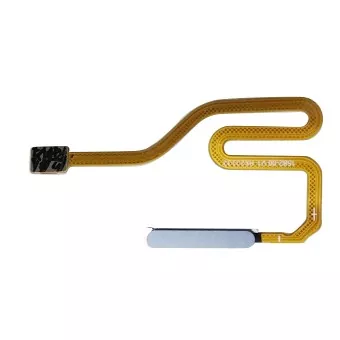
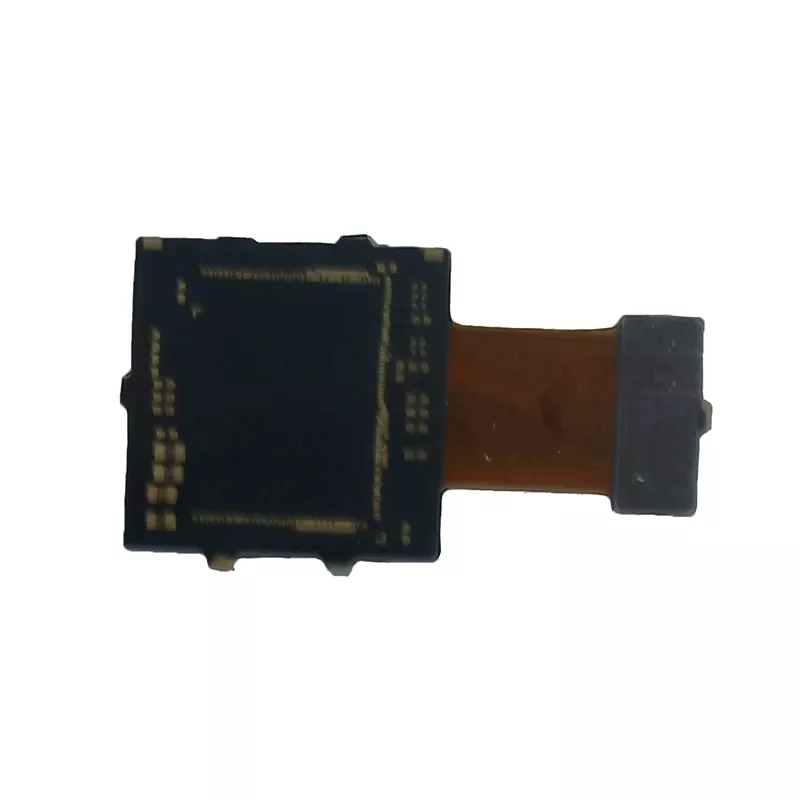
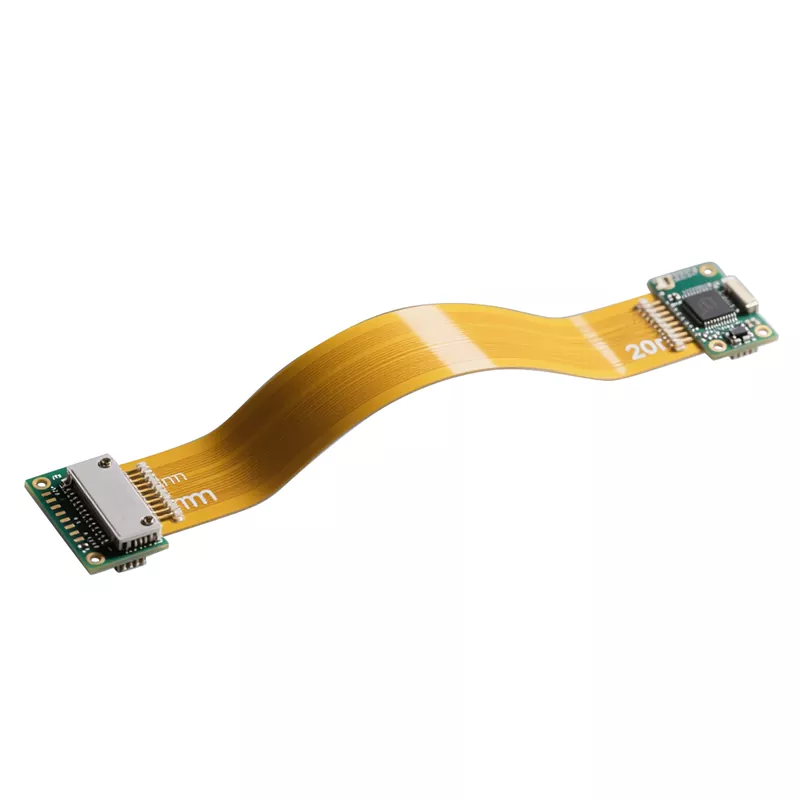
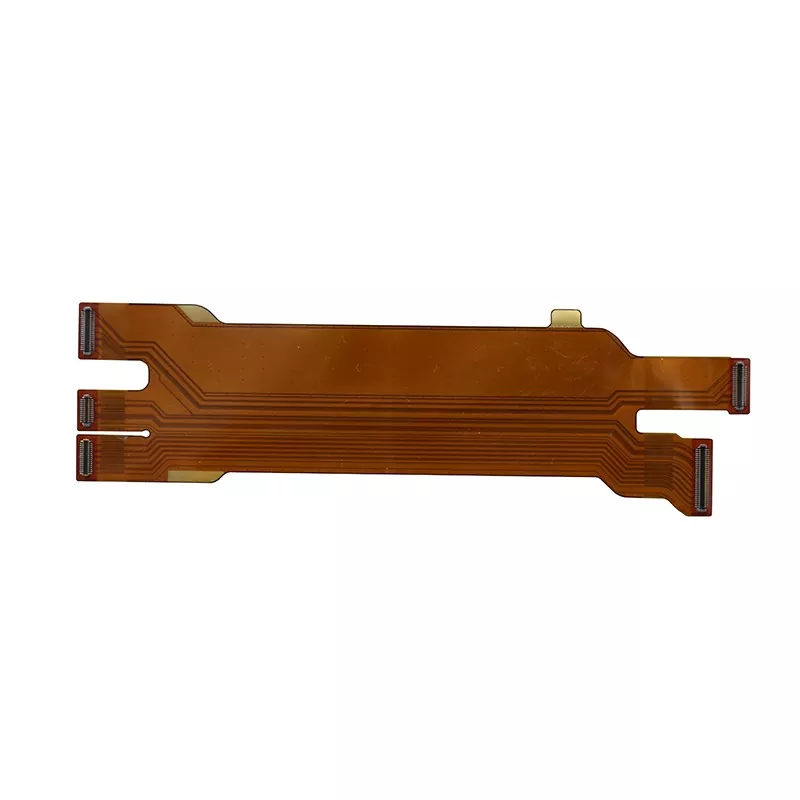
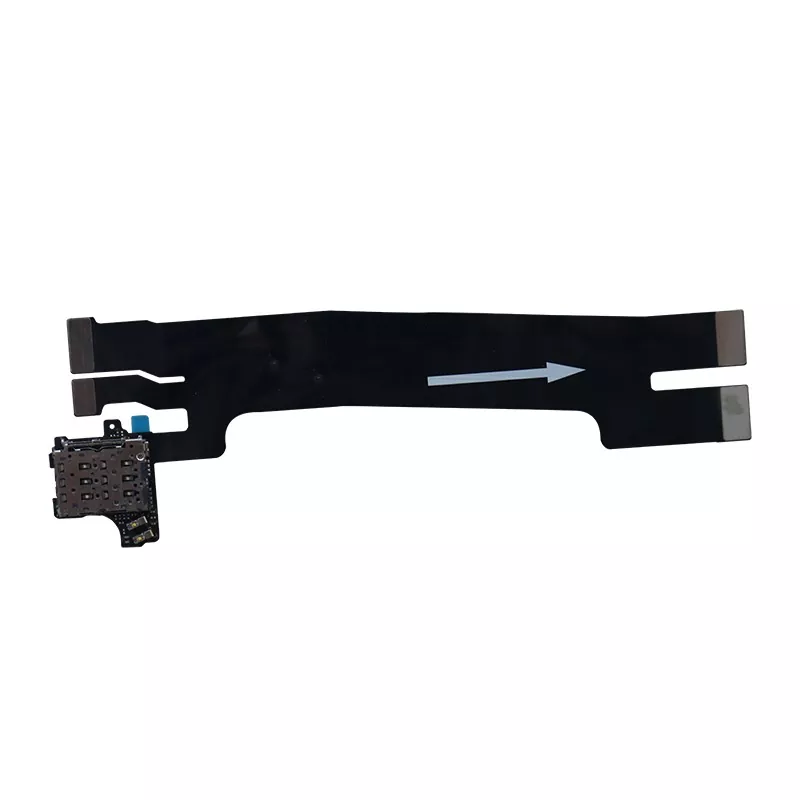
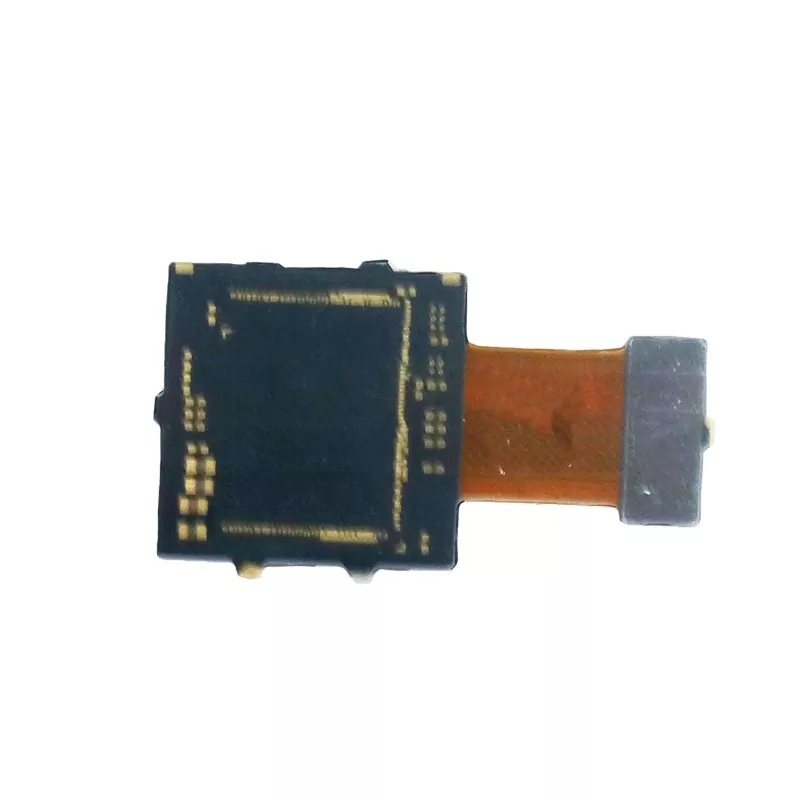
As a professional China FPC manufacturer and supplier, Honflex provides customized Mobile Phone Microphone FPC solutions widely used in smartphones, foldable phones, and other consumer electronics, helping global brands achieve thinner designs and superior acoustic performance.
The Mobile Phone Microphone FPC is a specialized flexible printed circuit designed to connect MEMS (Micro-Electro-Mechanical Systems) microphones or ECM (Electret Condenser Microphone) components to the mainboard in modern smartphones . As smartphones evolve toward higher integration and thinner profiles, with multiple microphones deployed for noise cancellation and stereo recording, the microphone FPC has become a critical component ensuring reliable audio signal transmission. It combines precision acoustic design with flexible circuit technology to enable clear voice capture, active noise cancellation, and immersive audio recording in space-constrained environments.
What is a Mobile Phone Microphone FPC?
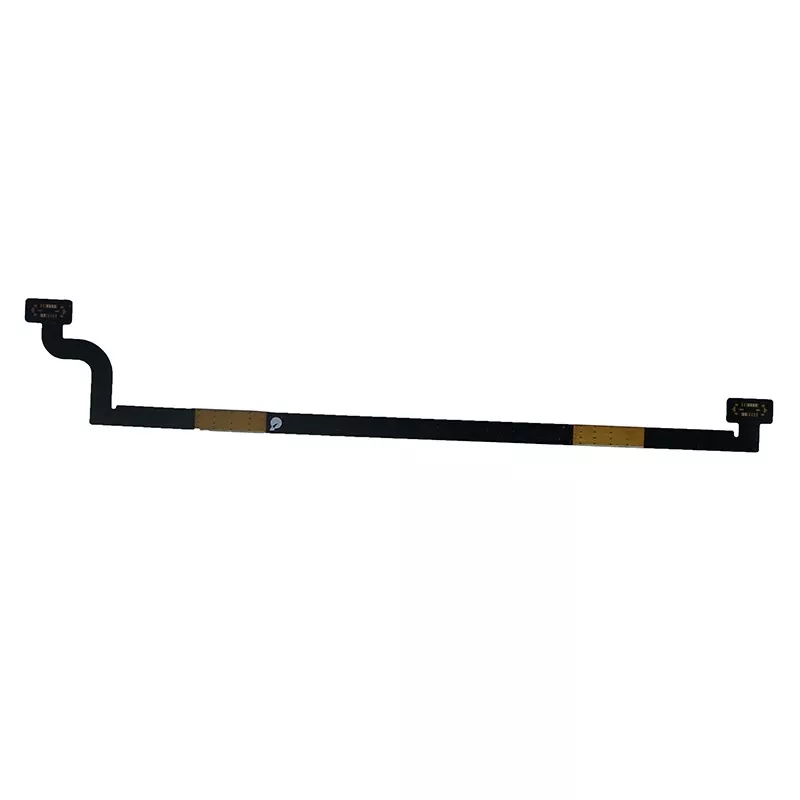
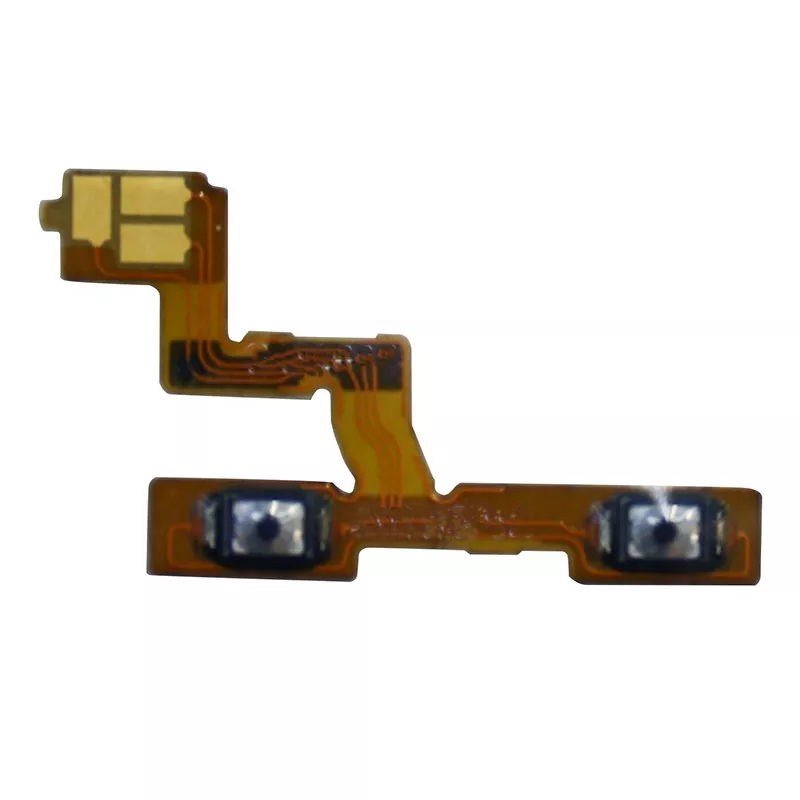
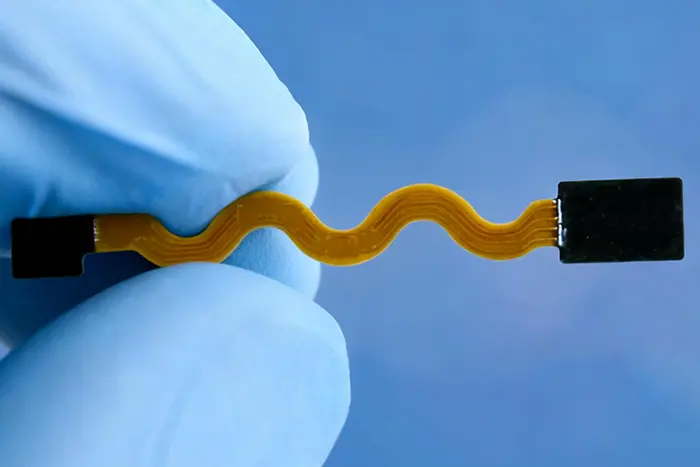
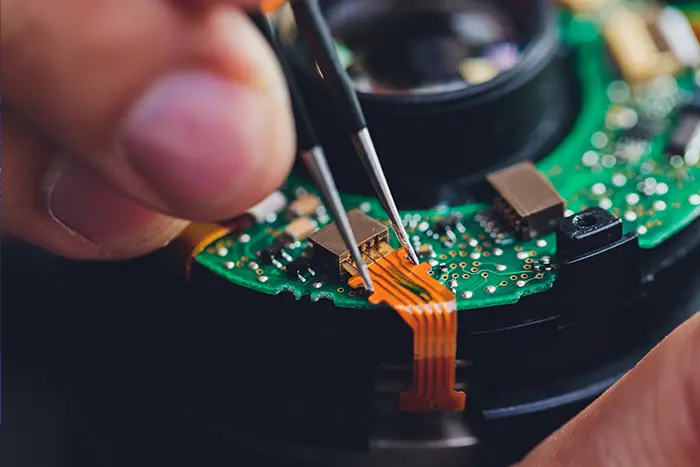
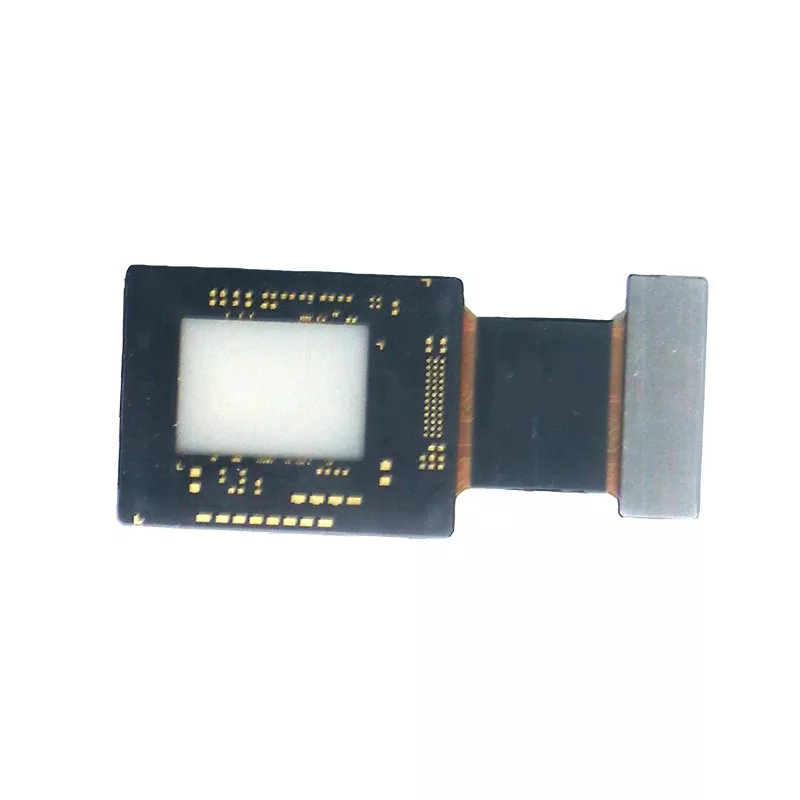
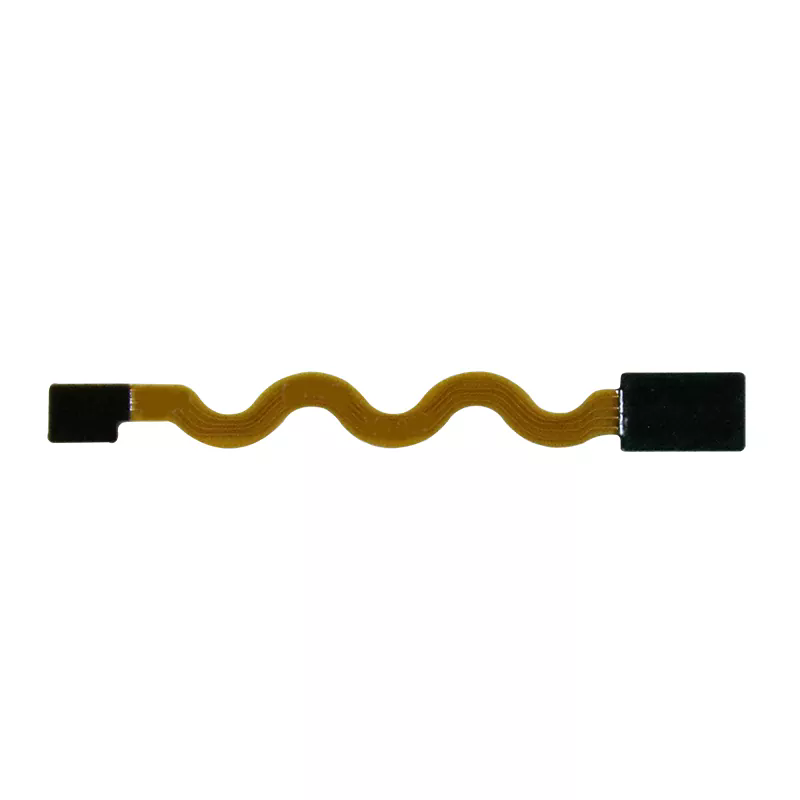
A Mobile Phone Microphone FPC is a flexible circuit board that connects the MEMS microphone to the smartphone motherboard. It transmits analog or digital audio signals while maintaining signal integrity in tight internal spaces.
Connects microphone to PCB securely
Ensures stable audio signal transmission
Supports ultra-thin and compact device structures
Adapts to complex internal layouts through flexible routing
Core Structure & Features:
1. Precision Acoustic Aperture Design: The FPC features precisely engineered sound inlet holes that align with the microphone's acoustic path. The aperture diameter typically ranges from 0.3mm to 0.6mm, optimized for balanced sound reception and mechanical protection. The hole attributes are designed as NPTH (Non-Plated Through Hole) with careful consideration of the acoustic stack-up—panel opening diameter > sealing layer opening diameter > FPC opening diameter—to ensure smooth sound transmission.
2. Optimized Layout for MEMS Microphones: For silicon microphone (SiMic) applications, the FPC layout incorporates critical design considerations including ground copper placement around the sound inlet hole (maintaining 0.2mm clearance from the hole edge) and annular solder mask openings around the inlet for proper microphone grounding and noise elimination.
3. EMI Shielding and Signal Integrity: Given that FPCs can act as antennas radiating noise from baseband circuits, our microphone FPCs incorporate advanced shielding techniques . The design considers analog and digital ground isolation to enhance system stability and prevent RF interference that could degrade audio quality.
4. Stainless Steel Stiffener Reinforcement: A stainless steel stiffener is typically designed on the backside of the microphone mounting area, providing dual functions: mechanical support for the microphone component and effective heat dissipation for the MEMS sensor and ASIC chip.
5. Independent Acoustic Channels: Each microphone in an array is designed with completely independent sound inlet holes to avoid masking effects, ensuring that direct sound waves reach each microphone equally for optimal beamforming and noise cancellation performance.
Core Functions
Audio Signal Transmission: Ensures clear and stable voice capture
Noise Reduction Support: Minimizes signal interference for better call quality
Space Optimization: Enables compact smartphone internal design
Flexible Integration: Fits complex layouts in modern mobile devices
Key Performance Advantages:
1. Superior Audio Signal Integrity: With precision impedance control and minimized signal path length, our microphone FPCs ensure clean, low-noise transmission of audio signals from the microphone to the application processor, preserving voice clarity and recording fidelity.
2. Enhanced Noise Immunity: Through careful ground plane design and optional EMI shielding films, our FPCs effectively isolate microphone signals from interference generated by RF circuits, display drivers, and power management ICs, eliminating audible noise in voice calls and recordings .
3. Support for Multi-Microphone Arrays: Designed to accommodate 2-4 microphone configurations common in modern smartphones, our FPCs enable primary microphone placement for voice pickup, secondary microphones for ambient noise cancellation, and additional microphones for stereo video recording and directional audio capture .
4. Extreme Thinness and Flexibility: The flexible section thickness can be controlled to within 0.1mm, allowing the FPC to route through tight spaces and fold into compact volumes, enabling microphone placement in optimal acoustic locations regardless of mechanical constraints .
5. High Reliability and Durability: Our manufacturing processes ensure clean, burr-free sound inlet holes without adhesive contamination that could block the acoustic path and render the microphone non-functional . The FPC withstands the mechanical stresses of daily use and maintains electrical performance over the device lifetime.
Key Technical Parameters:
1. Structural Parameters:
- Layer Count: 1-2 layers (single-sided or double-sided)
- Aperture Design: NPTH with controlled tolerances
- Ground Clearance: 0.2mm minimum from sound hole edge
- Solder Mask Opening: Annular opening around microphone inlet for grounding
- Microphone-to-Hole Alignment: ±0.05mm precision
3. Electrical Performance:
- Line Width/Space: 50μm - 75μm
- Impedance Control: Optional for high-speed digital microphone interfaces
- Current Capacity: Compatible with MEMS microphone requirements (<150μA per microphone)
4. Materials & Reliability:
- Base Material: Polyimide (PI) or high-performance LCP for enhanced flexibility
- Operating Temperature: -30°C to +85°C
- Reliability Testing: Thermal shock, flex endurance, solder reflow compatibility (supports lead-free reflow up to 260°C for MEMS microphones)
Application Scenarios
This product serves as the essential interconnection solution for smartphone audio systems, primarily supporting:
- Primary Voice Call Microphones: Located at the bottom of the phone for clear voice pickup during calls
- Secondary Noise Cancellation Microphones: Typically positioned at the top or back of the phone to capture ambient noise for active noise cancellation algorithms
- Stereo Recording Arrays: Multiple microphones placed strategically for video recording with spatial audio capture
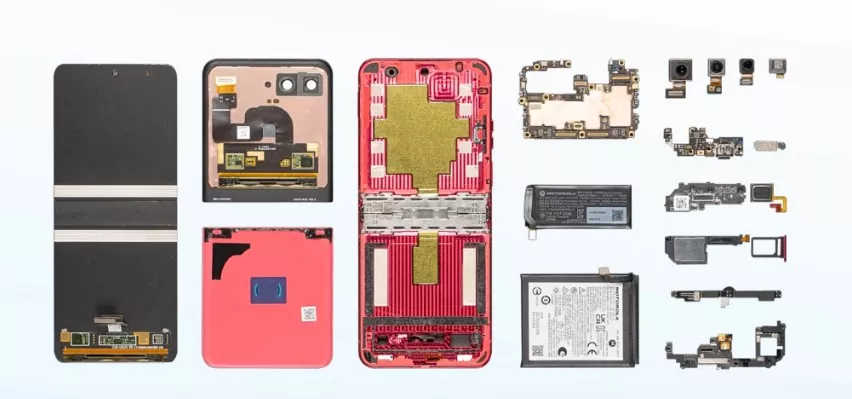
- Foldable Phone Applications: Flexible design accommodates bending across hinge areas while maintaining reliable microphone connections
Our Value Proposition
We specialize in providing industry-leading FPC solutions for smartphone microphone applications. We offer not only standardized high-reliability products but also possess strong capabilities in collaborative design, simulation optimization, and custom development. Backed by deep expertise in precision circuit processing, acoustic aperture design, materials science, and signal integrity analysis, we collaborate closely with customers to provide full-process support—from concept design to mass production—tailored to specific acoustic targets, mechanical constraints, and performance requirements. We are committed to leveraging innovative engineering to help customers push the boundaries of mobile audio performance, delivering clearer voice calls, more effective noise cancellation, and immersive recording experiences. We are your trusted core component partner.
Why Choose Honflex as Your FPC Supplier?
Leading China FPC factory with strong R&D capability
ISO-certified production system ensuring consistent quality
Deep cooperation with global electronics brands
Fast response and technical support for custom projects
FAQ
1. What does a Mobile Phone Microphone FPC do?
It connects the microphone module to the motherboard and transmits audio signals with high stability and low interference.
2. Can Honflex customize microphone FPC designs?
Yes, as a professional China manufacturer, Honflex provides fully customized FPC solutions based on your device structure and requirements.
3. What materials are used in the FPC?
High-quality polyimide materials are used for flexibility, durability, and heat resistance.
4. Is EMI shielding available?
Yes, optional EMI shielding can be added to improve noise resistance and audio quality.
5. What industries use this product?
Mainly consumer electronics such as smartphones, but also wearable devices and smart hardware.
6. What is the minimum thickness?
The flexible area can be as thin as 0.08mm, supporting ultra-thin device designs.
7. Does Honflex support mass production?
Yes, with advanced production lines, Honflex supports large-scale manufacturing with stable quality.
8. How does this product improve phone performance?
It enhances audio clarity, reduces interference, and enables more compact internal layouts.
If you are looking for a reliable Mobile Phone Microphone FPC manufacturer in China, Honflex is your trusted partner for high-quality, customized solutions.
Contact Us
For more product details or to discuss cooperation opportunities, please contact:
Looking for a reliable FPC manufacturer or supplier in China? Send your inquiry to Honflex today. Our experienced engineering and sales teams will respond promptly with technical support, solution recommendations, and competitive manufacturing proposals.
We use cookies to offer you a better browsing experience, analyze site traffic and personalize content. By using this site, you agree to our use of cookies. Privacy Policy