Whatsapp
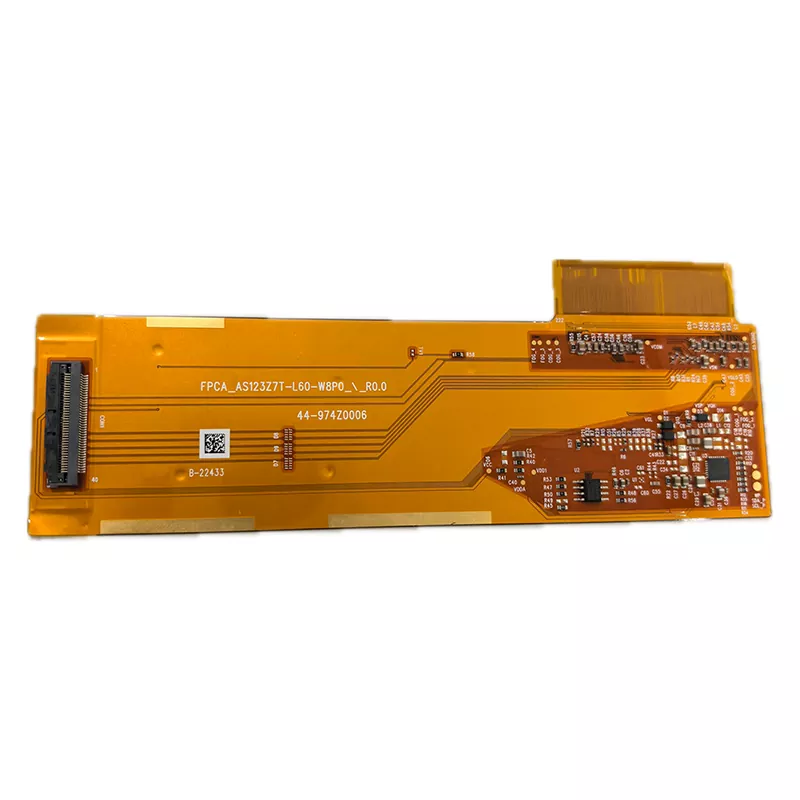
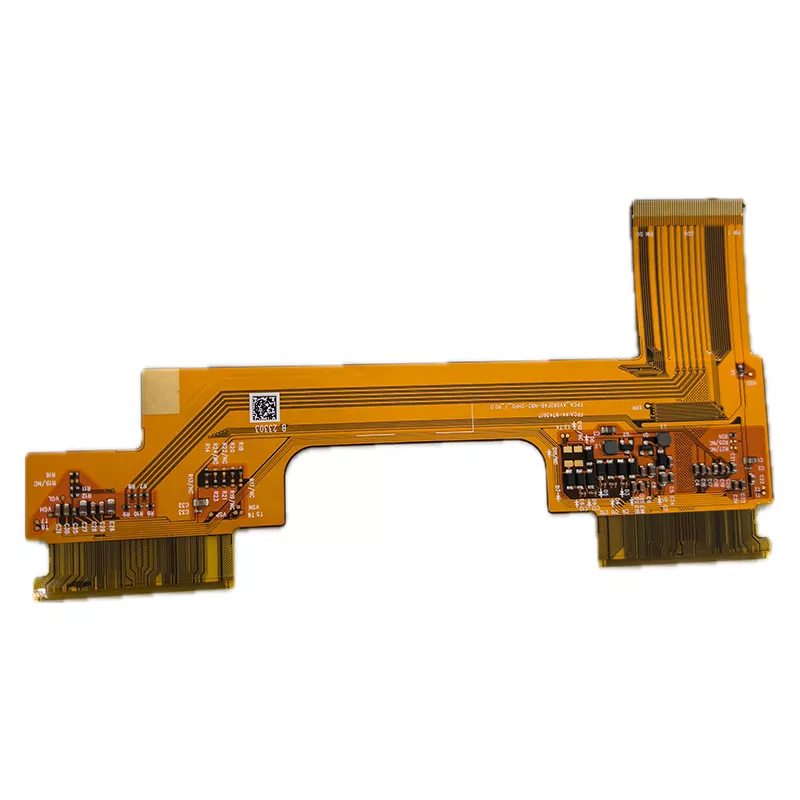
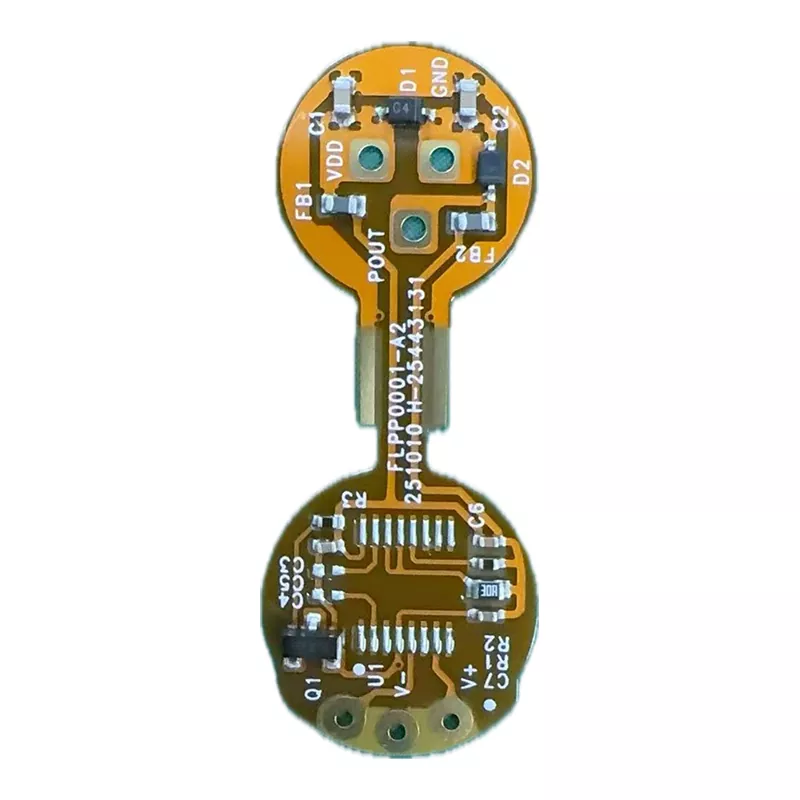
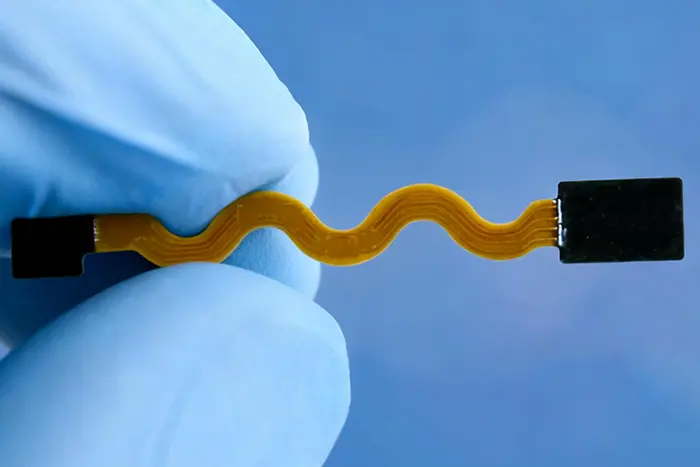
As an experienced FPC factory in China, Honflex Electronics supports lightweight, thin, and fully customized solutions to help automotive instrument panels achieve higher integration and smarter upgrades.
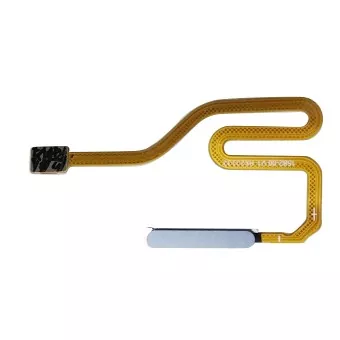
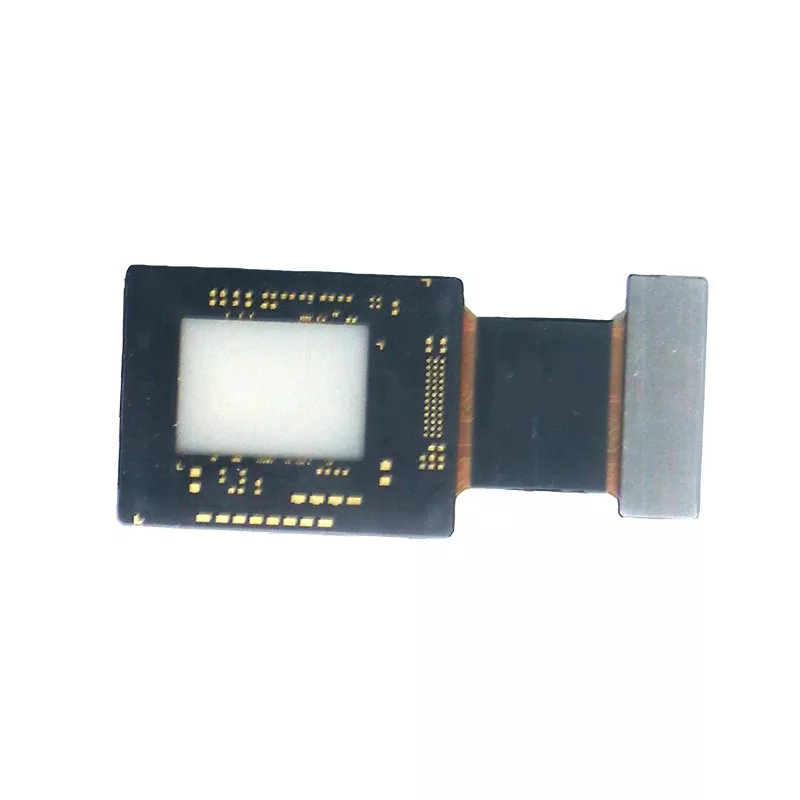
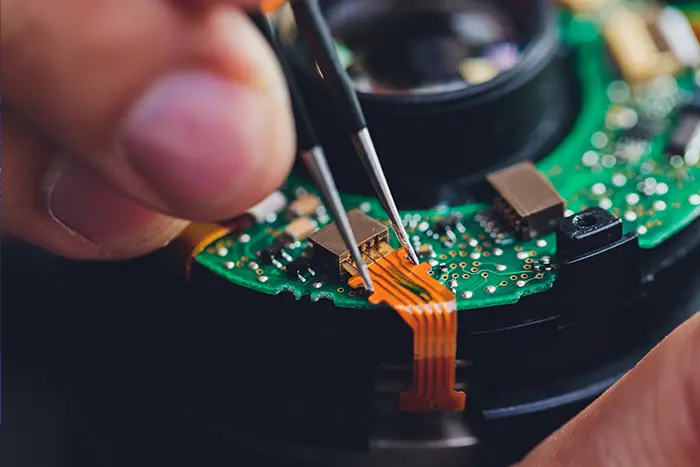
Automotive instrument panel FPC is a core segmented category of flexible printed circuits, specially used for signal transmission and connection of automotive instrument panel systems, and is the "nerve center" between the instrument panel and core components such as automotive electronic control unit (ECU), power supply system, and sensors. Compared with traditional rigid printed circuit boards (PCBs), automotive instrument panel FPC has the core advantages of bendability, foldability, thinness, light weight and dense wiring, which can accurately adapt to the narrow and special-shaped installation space inside the automotive instrument panel, flexibly fit the arc or irregular structure of the instrument panel display module, effectively save internal space, simplify the assembly process of the instrument panel, improve production efficiency, and reduce the overall weight of the instrument panel, helping automobiles save energy and reduce consumption.
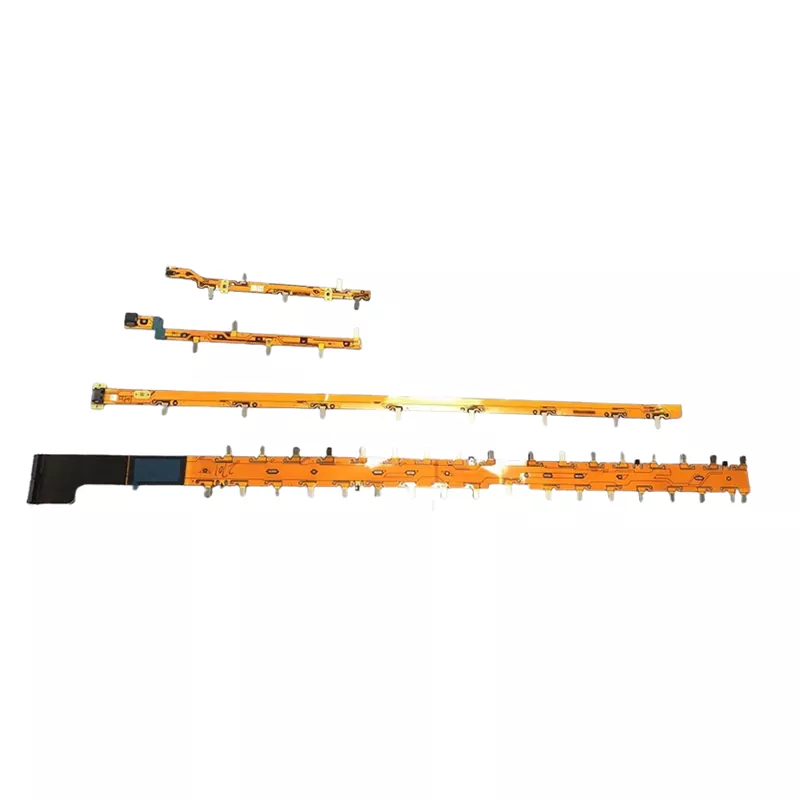
As one of the first enterprises in China to layout the flexible electronics industry, Honflex Electronics has become a core supplier in the field of automotive instrument panel FPC, serving many mainstream domestic and foreign automakers and automotive electronics Tier1 suppliers, relying on nearly 20 years of FPC R&D and production experience. The company's automotive instrument panel FPC products cover various types such as single-sided boards, double-sided boards, multi-layer boards and rigid-flex boards. According to the customer's instrument panel design scheme and functional requirements, it can customize products of different specifications and performances, fully adapting to the needs of various instrument panels of fuel vehicles and new energy vehicles (pure electric, hybrid), covering entry-level, mid-range, high-end and other full-scenario models, and realizing the "one-stop" flexible circuit solution supply from product design, sample proofing, mass production to after-sales service.
The key technical parameters of Honflex Electronics' automotive instrument panel FPC products strictly follow the automotive industry standards, balancing performance and practicality, and fully adapt to the signal transmission and installation needs of automotive instrument panels. The parameters of products with different specifications can be customized according to customer needs. The core general parameters are as follows :
|
Parameter Category |
Specific Parameters |
|
Substrate Parameters |
Type: Polyimide (PI) |
|
Thickness: 0.025mm-0.1mm(Customizable) |
|
|
Copper Foil Parameters |
Type: Electrolytic Copper Foil/Rolled Copper Foil |
|
Thickness: 12μm-70μm(Customizable) |
|
|
Line Width/Spacing: Minimum 0.03mm/0.03mm(Customizable) |
|
|
Product Structure Parameters |
Layers:1-8 Layers(Customizable) |
|
Total Thickness: 0.1mm-0.3mm(Customizable) |
|
|
Bending Performance Parameters |
Minimum Bending Radius: ≥0.5mm(Static) |
|
Bending Times: ≥100,000 Times(No performance attenuation after repeated bending) |
|
|
Temperature Performance Parameters |
Operating Temperature Range: -40℃~125℃ |
|
Storage Temperature Range: -55℃~150℃ |
|
|
Electrical Performance Parameters |
Signal Transmission Loss: ≤0.5dB/cm(At 1GHz Frequency) |
|
Impedance Range: 50Ω/75Ω/100Ω(Customizable) |
|
|
Impedance Deviation: ±10% |
|
|
Environmental Adaptability Parameters |
Moisture Resistance: 85%RH(40℃),No abnormality for 1000 hours |
|
Protection Level: IP65(Waterproof and Dustproof) |
|
|
Reliability Parameters |
Vibration Test: No abnormality at 10-2000Hz, 10G acceleration |
|
Impact Test: No abnormality at 50G impact force |
Based on the installation environment and functional requirements of automotive instrument panels (needing to withstand vibration and high and low temperature changes for a long time, and having extremely high requirements for signal transmission accuracy), Honflex Electronics' automotive instrument panel FPC products have been targeted optimized in structural design, taking into account flexibility, reliability and signal stability. All structural designs have been repeatedly verified by Honflex Electronics' laboratory to adapt to long-term on-board use scenarios. The core structural characteristics are as follows:
The core substrate of the product adopts imported or domestic high-end polyimide (PI) substrate with a thickness range of 0.025mm-0.1mm. Compared with ordinary PI substrates, it has better flexibility, heat resistance, mechanical strength and insulation performance. The PI substrate itself has good chemical corrosion resistance, which can effectively resist the erosion of oil stains, water vapor, cooling liquid, etc. in the on-board environment, avoiding substrate aging and embrittlement; its bending times can reach more than 100,000 times, and the minimum bending radius can reach 0.5mm, which can flexibly adapt to the arc structure and folding installation needs inside the instrument panel, and will not cause substrate fracture or signal interruption due to long-term bending. In addition, the surface of the substrate has been specially passivated, which greatly improves the bonding force between the copper foil and the substrate, effectively avoiding problems such as copper foil falling off and delamination under the on-board vibration environment, and extending the service life of the product. Honflex Electronics selects high-quality substrate suppliers through a strict substrate procurement control system, establishes a supplier evaluation mechanism, and ensures that each batch of substrates meets the automotive industry ISO/TS 16949 quality system standard.
Electrolytic copper foil or rolled copper foil is used, with a thickness range of 12μm-70μm, which can be flexibly selected according to the instrument panel signal transmission needs (such as high-frequency signals such as rotation speed and vehicle speed). Among them, high-end full liquid crystal instrument panel FPC products adopt rolled copper foil, which has finer grains, better conductivity and lower resistance, which can effectively reduce high-frequency signal transmission loss, ensure real-time and accurate transmission of key instrument panel data, and avoid data delay, display error and other problems; ordinary vehicle instrument panel FPC adopts high-quality electrolytic copper foil, balancing performance and cost-effectiveness, meeting basic signal transmission needs. The copper foil adopts the precision etching process independently developed by Honflex Electronics, and the minimum line width and line spacing can reach 0.03mm/0.03mm, which can realize a denser circuit layout, integrate more signal interfaces in a limited space, and adapt to the development trend of instrument panel integration and multi-function (such as integrating navigation, tire pressure monitoring, fault prompt and other functions). Relying on advanced etching equipment, Honflex Electronics can ensure the precision and consistency of copper foil lines, with errors controlled within ±5μm, greatly improving the signal transmission stability of products.
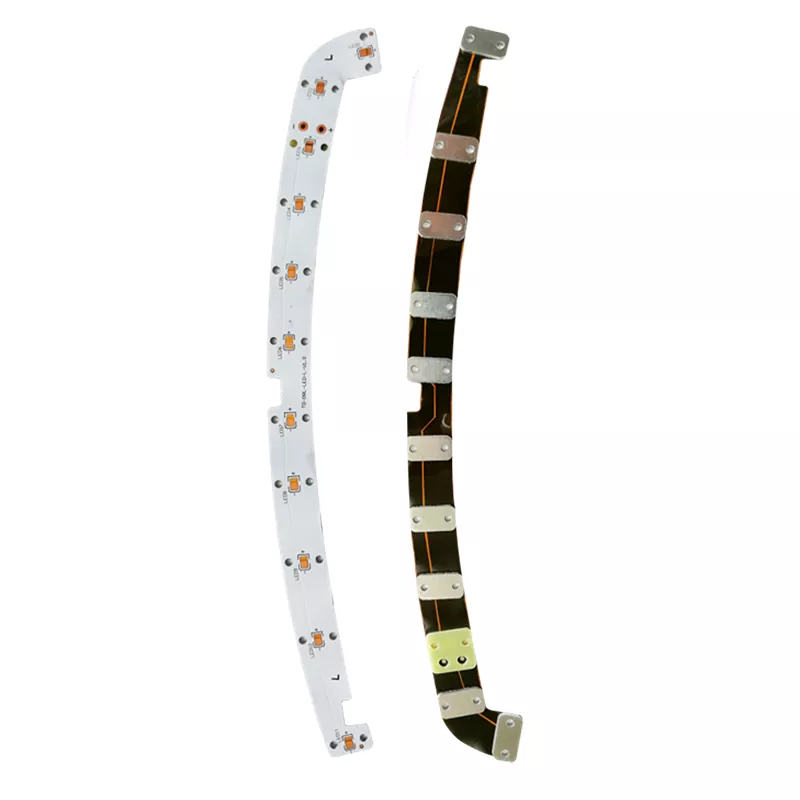
The surface of the product is provided with two layers of protective structures, namely Cover Lay and Solder Mask. The double protection greatly improves the environmental adaptability and reliability of the product, adapting to the harsh on-board environment. The cover film adopts a flexible PI cover film, which is accurately attached to the surface of the copper foil circuit to play the role of insulation, wear resistance and oxidation resistance, and does not affect the flexibility of the product, ensuring that the product can smoothly fit the special-shaped structure inside the instrument panel; the solder mask adopts high-end solder mask ink with high temperature resistance, wear resistance and chemical corrosion resistance, which is printed on the surface of the cover film to further improve the product's resistance to high and low temperature impact, vibration and dust, and can effectively resist the impact of high and low temperature changes, vibration, dust, oil stains, etc. in the on-board environment, protect the circuit from damage, and avoid short circuit, signal interruption and other faults. In addition, for the interface part of the instrument panel FPC (the part connected to the ECU and sensor), a reinforcing plate design is adopted to improve the mechanical strength of the interface, avoid interface deformation and line breakage during plugging and unplugging, and ensure the stability of the connection. Honflex Electronics' cover layer lamination process adopts high-temperature lamination technology to ensure the close fit between the cover film, copper foil and substrate, without bubbles or peeling, further improving the reliability of the product.
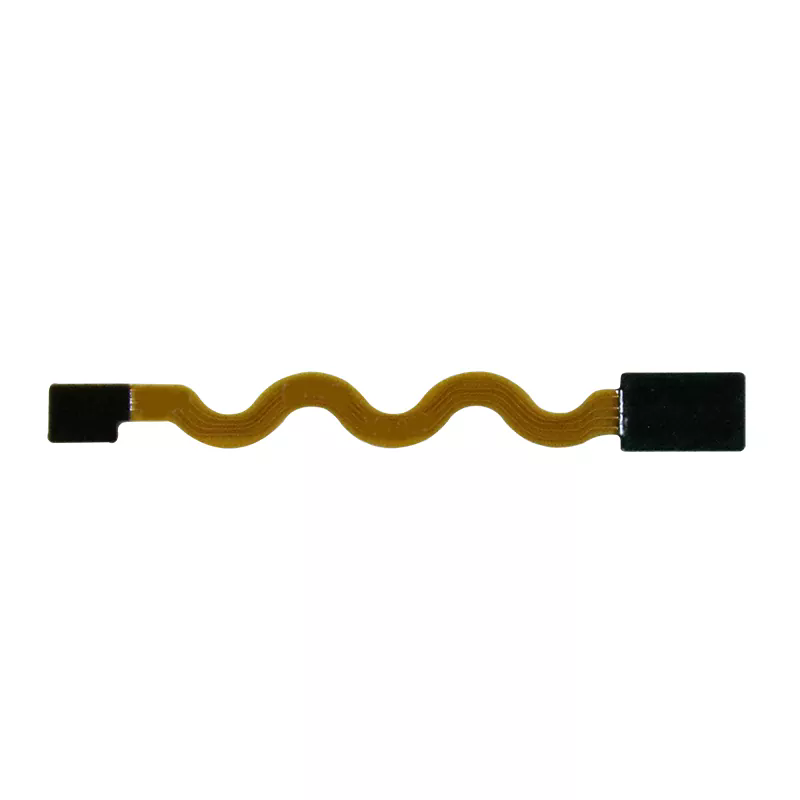
The internal space of the automotive instrument panel is small and the structure is complex. The instrument panel design schemes of different models are quite different, and the requirements for the shape, bending angle, size, etc. of the FPC are different. Honflex Electronics has strong customization capabilities for special-shaped structures, and can customize special-shaped FPC products of different shapes, bending angles and sizes according to the instrument panel drawings, installation space dimensions and functional requirements provided by customers. The product can realize multi-dimensional bending and folding, can accurately fit the installation position of the instrument panel display module and ECU, pass through narrow installation gaps, effectively utilize the idle space inside the instrument panel, simplify the overall assembly structure of the instrument panel, and reduce the assembly difficulty. At the same time, in the process of special-shaped structure design, Honflex Electronics' R&D team will conduct stress analysis and fatigue testing, optimize the circuit layout and the structure of the bending part, avoid problems such as circuit crowding and stress concentration in the bending part, and ensure that the product will not be damaged due to bending fatigue during long-term use. Up to now, the company has completed the customization of hundreds of special-shaped automotive instrument panel FPC products, adapting to the instrument panel design needs of different automakers, and accumulating rich customization experience.
Relying on Honflex Electronics' R&D strength, advanced production technology and strict quality control, the company's automotive instrument panel FPC products are comprehensively superior to the industry average in performance. Aiming at the special use scenarios of automotive instrument panels (high-frequency vibration, alternating high and low temperatures, high requirements for signal transmission accuracy), it focuses on core advantages such as high reliability, high signal stability and high environmental adaptability, while taking into account lightweight, thinness and customization, as follows:
The product has passed strict reliability tests, fully complying with the automotive industry ISO/TS 16949 quality system standard and AEC-Q200 (passive component reliability test standard), and can withstand various harsh tests in the on-board environment. The service life can reach more than 15 years, which is synchronized with the service life of the entire vehicle. The specific performance is as follows: in the vibration test, it can withstand the vibration environment of 10-2000Hz and acceleration of 10G, without line breakage or signal interruption, adapting to various vibration scenarios during vehicle driving (such as bumpy roads, engine vibration), avoiding abnormal instrument panel display caused by vibration; in the impact test, it can withstand the impact force of 50G, which can resist the impact caused by sudden situations such as vehicle collision and emergency braking, ensuring that the product will not be damaged by impact; in the fatigue test, it can achieve more than 100,000 repeated bendings, and the product performance has no obvious attenuation after bending, which can long-term adapt to the bending installation state of the instrument panel; in the lead-free soldering test, the soldered interface has high strength and stable conductivity, avoiding poor contact, signal interruption and other faults caused by poor soldering. Honflex Electronics has established a complete reliability test system, and each product must go through multiple rounds of reliability tests (vibration test, impact test, fatigue test, high and low temperature test, etc.) before leaving the factory, and unqualified products are resolutely not allowed to leave the factory to ensure stable product quality.
The signal transmission quality of the automotive instrument panel directly affects the accuracy and real-time performance of data display, which is related to driving safety. Honflex Electronics' automotive instrument panel FPC achieves high signal stability through optimized circuit design, adoption of high-end materials and precision processes, effectively avoiding data delay, display error, screen flower, signal interruption and other problems. The product has low signal transmission loss. At 1GHz frequency, the signal attenuation is ≤0.5dB/cm, which can effectively ensure the stable transmission of high-frequency signals such as rotation speed, vehicle speed and fuel volume, ensuring real-time and accurate display of instrument panel data; at the same time, the product has excellent electromagnetic compatibility (EMC), passed EMI (Electromagnetic Interference) and EMS (Electromagnetic Susceptibility) tests, which can effectively resist electromagnetic interference in the on-board environment (such as electromagnetic signals generated by engines, air conditioners, radars and other equipment), and will not generate electromagnetic interference itself, affecting the normal operation of other automotive electronic equipment; in addition, the product adopts impedance matching design, and the impedance deviation is controlled within ±10%, which further improves the stability and consistency of signal transmission, ensuring stable display of instrument panel data under different working conditions. Honflex Electronics' R&D team continuously optimizes the circuit layout through simulation and actual testing, reduces signal interference, and ensures the stability of signal transmission.
The environment where the automotive instrument panel is located is complex and changeable, facing various tests such as alternating high and low temperatures, humidity changes, oil stains, water vapor, dust, etc., which has extremely high requirements for the environmental adaptability of the FPC. Honflex Electronics' automotive instrument panel FPC has excellent environmental adaptability and can work stably in various harsh environments: the working temperature range is -40℃~125℃, which can work normally in extremely cold (such as northern winter, temperature as low as -40℃) and extremely hot (such as southern summer exposure, instrument panel surface temperature as high as 120℃ above) environments, without problems such as substrate embrittlement, line oxidation, and signal abnormality; the storage temperature range is -55℃~150℃, which can adapt to the storage and transportation environments in different regions, avoiding product damage caused by improper storage and transportation environment; in terms of moisture resistance, it can work continuously for 1000 hours in an environment with relative humidity of 85% (40℃), with no obvious change in performance, and can resist the erosion of water vapor in the on-board environment; in terms of chemical corrosion resistance, it can resist the erosion of on-board oil stains, cooling liquid, alcohol and other chemical substances, and will not have problems such as substrate expansion and line short circuit; in addition, the product has waterproof and dustproof performance, passed the IP65 protection level test, which can effectively prevent dust and water vapor from entering the circuit, ensuring long-term stable operation of the product. Honflex Electronics conducts long-term aging tests on products by simulating different on-board environments to ensure that products can work stably in various harsh environments.
With the development of the automotive industry towards lightweight and energy-saving, the demand for lightweight on-board electronic components is becoming increasingly urgent. As one of the core on-board electronic components, the lightweight of the automotive instrument panel is of great significance to the overall energy saving and consumption reduction of the automobile. Honflex Electronics' automotive instrument panel FPC products adopt thin substrate and precision structure design, and the overall thickness of the product can be controlled between 0.1mm-0.3mm. Compared with traditional rigid PCB, the weight is reduced by more than 60%, which can effectively reduce the overall weight of the automotive instrument panel, thereby reducing the overall weight of the automobile, helping the automobile save energy and reduce consumption (for every 10kg reduction in vehicle weight, the fuel consumption per 100 kilometers can be reduced by 0.05-0.1L). At the same time, the thin and lightweight design can further save the internal space of the instrument panel, providing more possibilities for the miniaturization and integration design of the instrument panel. For example, it can realize the integrated design of the instrument panel and the central control screen, improving the sense of technology and aesthetics of the automotive interior; in addition, the lightweight design of the product can also reduce the vibration load during vehicle driving, reduce the loss of the product caused by vibration, and further improve the service life and reliability of the product. On the premise of ensuring product performance, Honflex Electronics continuously optimizes the product structure to maximize the lightweight and thinness of the product.
The instrument panel design schemes of different automakers and models are quite different, and the requirements for the specifications, performance, structure, etc. of the FPC are different. Honflex Electronics has complete customized R&D and production capabilities, and can provide full-process customized services from product design, sample proofing, mass production to after-sales service according to the specific needs of customers. Customers can customize FPC products of different specifications (line width and line spacing, thickness, size), different performances (signal transmission rate, environmental adaptability), and different structures (special-shaped, multi-layer, rigid-flex combination) according to the design needs of their own instrument panels; for high-end full liquid crystal instrument panels, high-end FPC products with high-density lines and low signal loss can be customized to meet the needs of high-definition display and multi-function integration; for ordinary instrument panels of entry-level models, cost-effective FPC products can be customized to balance performance and cost. The company has a professional R&D and design team, which can quickly respond to customer needs, complete product design and simulation analysis. The sample proofing cycle is short (samples can be delivered in as fast as 3 days), and the mass production cycle can be controlled within 7-15 days, which can meet the customer's rapid mass production needs. Up to now, the company has provided customized automotive instrument panel FPC products for many mainstream domestic and foreign automakers, accumulating rich customized experience.
With excellent performance, strong customization capabilities and Honflex Electronics' brand strength, Honflex Electronics' automotive instrument panel FPC products are widely used in instrument panel systems of various types of vehicles, including fuel vehicles and new energy vehicles (pure electric, hybrid), adapting to entry-level, mid-range, high-end and other full-scenario models, covering various types such as traditional mechanical instrument panels, liquid crystal instrument panels, and full liquid crystal instrument panels. All application scenarios have achieved mass supply and have been highly recognized by customers. The specific application scenarios are as follows:
Traditional mechanical instrument panels are mainly used in entry-level fuel vehicles and some commercial vehicles. Their core function is to display basic driving data such as vehicle speed, rotation speed, fuel volume and water temperature. The performance requirements for FPC focus on reliability and cost-effectiveness. Aiming at the needs of traditional mechanical instrument panels, Honflex Electronics has customized cost-effective automotive instrument panel FPC products, adopting high-quality electrolytic copper foil and PI substrate, balancing signal transmission stability and cost control, which can realize basic signal transmission between the mechanical instrument panel and ECU, sensor, ensuring accurate display of basic driving data. The product has excellent anti-vibration and high and low temperature resistance, can adapt to the use environment of commercial vehicles and entry-level fuel vehicles (such as bumpy roads, high temperature generated by long-term driving), has a long service life and low failure rate. At present, the company's traditional mechanical instrument panel FPC products have been mass-applied to entry-level models of many domestic mainstream automakers, and have been widely recognized by customers with stable quality and high cost-effectiveness.
Liquid crystal instrument panels are the mainstream configuration of current mid-range models. Compared with traditional mechanical instrument panels, they have the advantages of clear display and rich functions, and can display various additional functions such as navigation prompts, tire pressure monitoring, and fault prompts, which have higher requirements for the signal transmission stability and wiring density of FPC. Aiming at the needs of liquid crystal instrument panels, Honflex Electronics has optimized the product's circuit design and material selection, adopted precision etching process to achieve a denser circuit layout, which can adapt to the multi-signal transmission needs of liquid crystal instrument panels, ensure stable transmission of additional function signals such as navigation and tire pressure monitoring, and avoid display delay, signal interruption and other problems. The thin design of the product can save the internal space of the instrument panel, help the liquid crystal instrument panel achieve a more compact structural design, and improve the aesthetics of the automotive interior. At present, the company's liquid crystal instrument panel FPC products have been mass-applied to mid-range cars and SUV models of many domestic and foreign automakers, adapting to various sizes of liquid crystal instrument panels such as 10.25 inches and 12.3 inches.
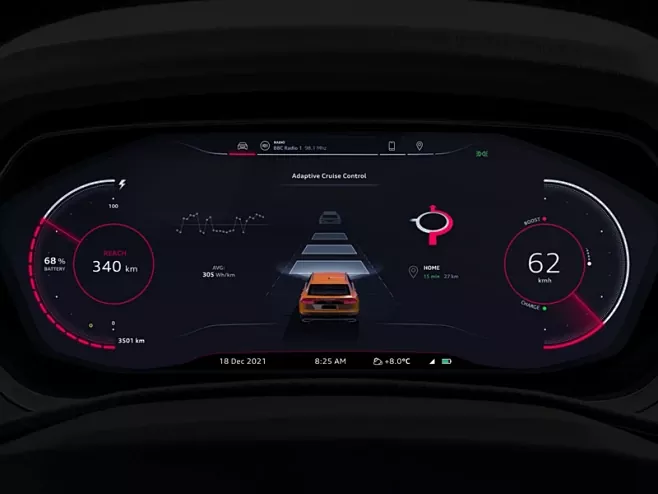
Full liquid crystal instrument panel is the core configuration of high-end models and new energy vehicles. It has the advantages of high-definition display, full-scenario adaptation and multi-function integration. It can realize linkage with central control screen and HUD head-up display system, displaying complex information such as high-definition navigation map, driving mode, battery status (new energy vehicles), which has extremely high requirements for the signal transmission stability, high-frequency transmission performance and wiring density of FPC. Aiming at the high-end needs of full liquid crystal instrument panels, Honflex Electronics adopts high-end rolled copper foil and imported PI substrate, optimizes circuit layout and impedance matching design, greatly reduces signal transmission loss, improves high-frequency signal transmission performance, can realize stable transmission of high-definition video and high-speed data, ensures clear and real-time display of complex information of full liquid crystal instrument panels, and avoids screen flower, freeze, signal interruption and other problems. The product's customization capability can adapt to the special-shaped structure and multi-signal interface needs of the full liquid crystal instrument panel, helping the full liquid crystal instrument panel achieve miniaturization and integration design. At present, the company's full liquid crystal instrument panel FPC products have been mass-applied to flagship models of many high-end automakers and mainstream new energy automakers, and have been highly recognized by customers.
In addition to displaying traditional data such as vehicle speed and rotation speed, the new energy vehicle (pure electric, hybrid) instrument panel also needs to display exclusive data such as battery power, cruising range, charging status, and motor working status, which has higher requirements for the high voltage resistance, anti-electromagnetic interference, and signal transmission stability of the FPC. Aiming at the special needs of new energy vehicles, Honflex Electronics has optimized the product's high voltage resistance and electromagnetic compatibility, which can resist the high voltage and strong electromagnetic interference generated by the new energy vehicle battery system and motor system, ensure accurate and real-time display of exclusive instrument panel data, and avoid data errors, signal interruption and other problems. The product's high temperature resistance can adapt to the high temperature environment near the battery compartment of new energy vehicles, and the lightweight design can help new energy vehicles improve their cruising range. At present, the company's new energy vehicle instrument panel FPC products have been mass-applied to pure electric and hybrid models of many mainstream new energy automakers, adapting to new energy vehicles with different cruising ranges and configurations, providing support for the intelligent development of new energy vehicles.
Commercial vehicles (trucks, buses, etc.) operate in harsh environments, constantly facing challenges such as bumpy roads, alternating high and low temperatures, and dust and oil contamination. This places extremely high demands on the reliability and environmental adaptability of instrument panel FPCs. Honflex Electronics, specifically designed for commercial vehicle use, has enhanced the vibration resistance, wear resistance, and chemical corrosion resistance of its products. Employing a thickened cover layer and reinforced plate design, the product's mechanical strength and durability are improved, enabling it to withstand the harsh driving environment of commercial vehicles and preventing malfunctions such as wiring damage and signal interruptions. The product offers high cost-effectiveness, meeting the cost requirements of commercial vehicles, while also boasting a long service life, reducing subsequent maintenance costs. Currently, the company's commercial vehicle instrument panel FPC products are being used in batches by multiple commercial vehicle manufacturers, compatible with various commercial vehicle models such as trucks and buses, and have gained widespread customer recognition.
Address
No. 19, Xianghai Road, Xiang'an Industrial Zone, Torch High-tech Zone, Xiamen City, China